The Berlin Wall in Film: The Best Movies and Series, Explained
For three decades the Berlin Wall did not only divide a city – it gave filmmakers one of the twentieth century’s great settings: a place where a single street could separate freedom from surveillance, and where an ordinary border crossing could decide a life. The divided city drew Hitchcock and Spielberg, inspired an Oscar winner, and produced a whole German genre of bittersweet comedies after 1989. This guide rounds up the essential Berlin Wall films and TV series – the spy thrillers, escape dramas, Stasi stories and Ostalgie comedies worth your time – and points you to the real places behind them.
We have grouped the films by the kind of story they tell. If you just want the very best, skip to our top picks; if you want to browse and filter all thirty by genre, decade or language, head to the complete film database.
Berlin Wall cinema really falls into two eras. While the Wall still stood, the divided city was mostly a backdrop for Western spy thrillers, many of them shot in the real Berlin with the genuine border looming in the frame. After it fell in 1989, German filmmakers turned inward and began to look back – first at the machinery of the dictatorship, then, with growing affection, at the everyday life of a country that no longer existed. Watch a handful in each mode and you get both halves of the story: how the West imagined the Wall, and how the East remembered living behind it.
Cold War Spy Thrillers
West Berlin was the espionage capital of the Cold War, and the movies followed the spies there. The benchmark is The Spy Who Came in from the Cold (1965), Martin Ritt’s bleak adaptation of John le Carre’s novel, with Richard Burton as a burned-out agent sent east on one last operation – it opens at the border and never lets the cynicism lift. John Schlesinger’s The Innocent (1993) fictionalises Operation Gold, the real CIA and MI6 tunnel dug under the border to tap Soviet phone lines, wrapping the spycraft in a love story.
For the glossier end of the genre, Funeral in Berlin (1966) sends Michael Caine’s Harry Palmer to stage a fake defection over the Wall, while The Quiller Memorandum (1966) and Hitchcock’s Torn Curtain (1966) mine the same anxious territory. The earliest of them all, Carol Reed’s The Man Between (1953), was filmed in the rubble of a still-occupied Berlin years before the Wall existed, and plays like a colder cousin of The Third Man.
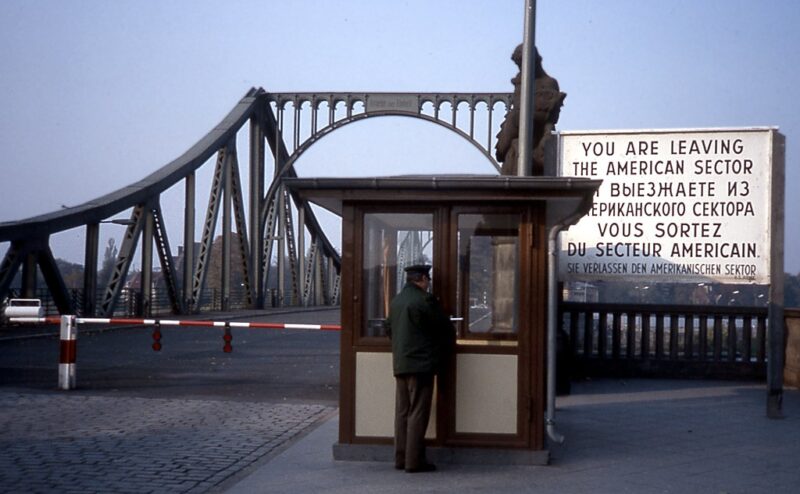
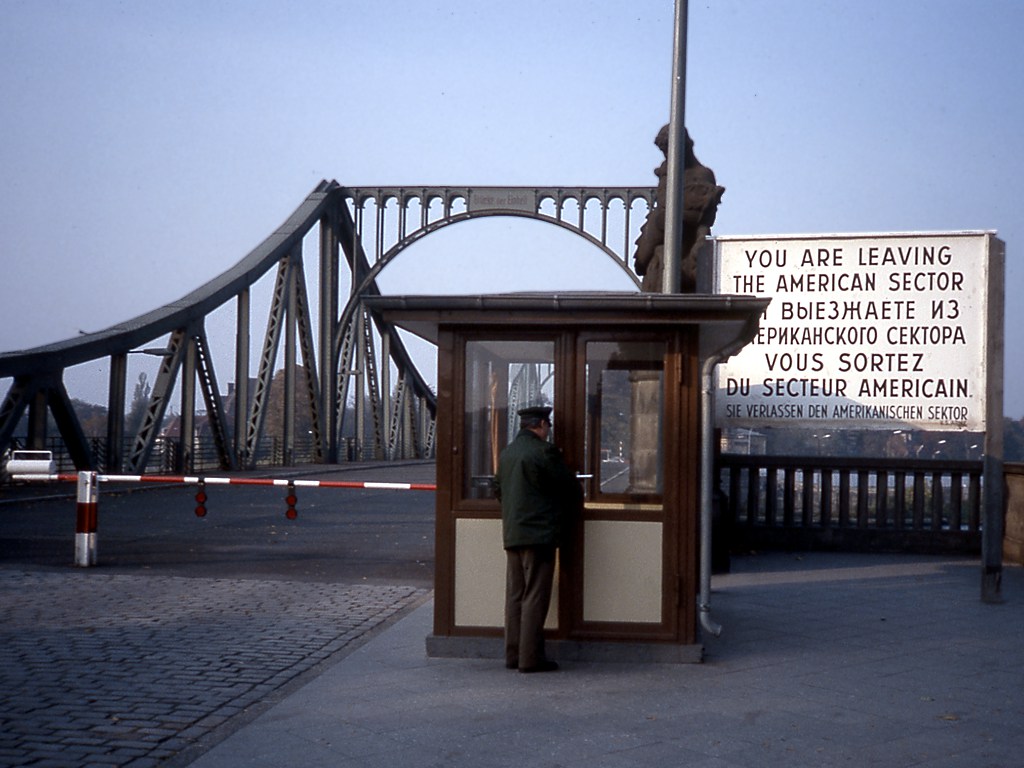
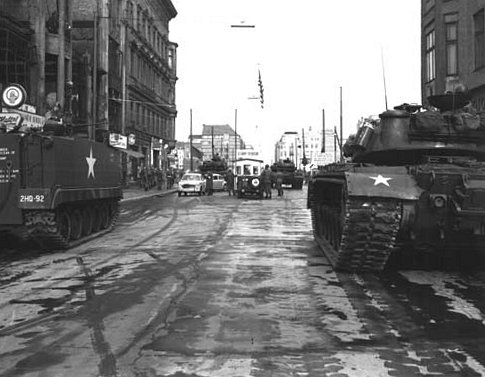
The modern classic is Steven Spielberg’s Bridge of Spies (2015), which dramatises the 1962 swap of pilot Francis Gary Powers for Soviet spy Rudolf Abel. It was shot on the real Glienicke Bridge between Berlin and Potsdam – the very bridge where the exchange happened, and which we tell the true story of in our guide to the real Bridge of Spies. For something louder, Atomic Blonde (2017) drops Charlize Theron into a neon-soaked Berlin on the eve of the Wall’s fall, around Checkpoint Charlie, trading le Carre realism for stylised action.
Escape Dramas: Tunnels and Balloons
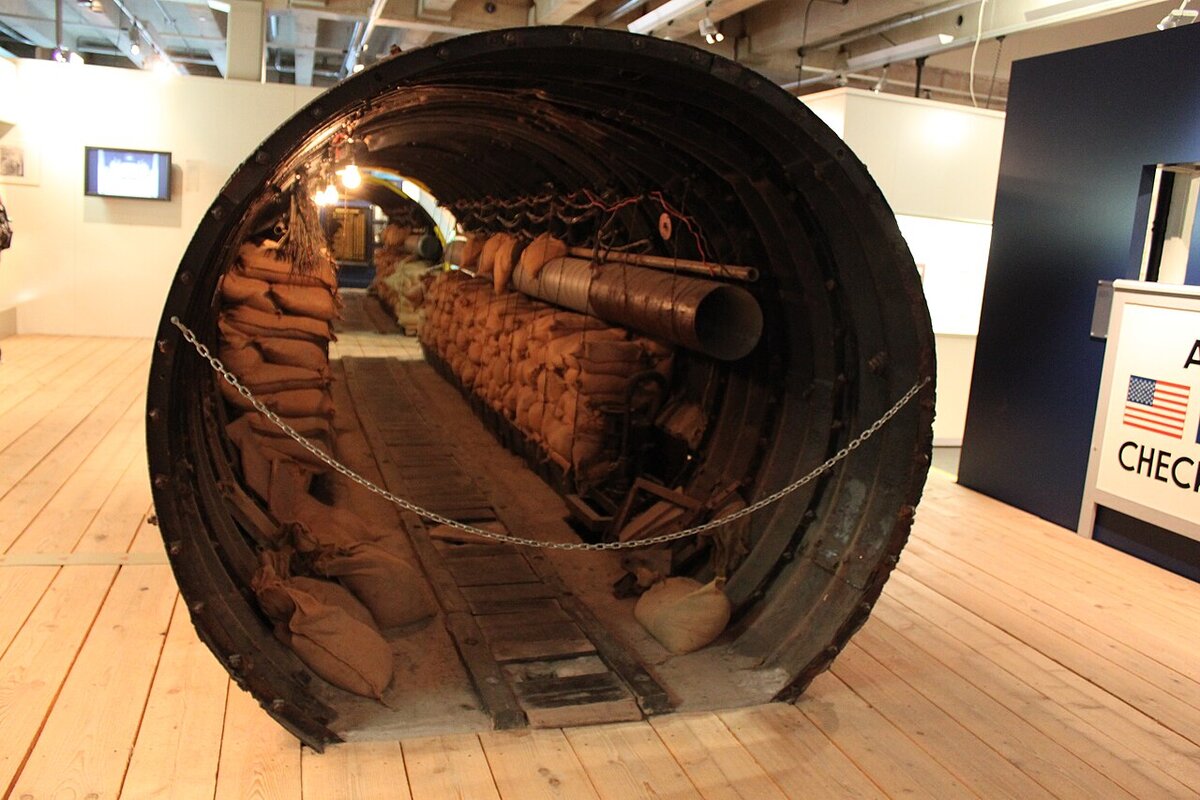
No Wall stories are more cinematic than the real escapes, and filmmakers have returned to them again and again. The standout is The Tunnel (2001), a gripping dramatisation of the 1962 dig that became known as Tunnel 29, when a former East German champion swimmer tunnelled back under the border to bring out the people he had left behind. The much earlier Tunnel 28 (1962), also released as Escape from East Berlin, was made by Hollywood while the Wall was barely a year old and the real tunnels were still being dug.
Two films revisit the most famous escape of all – the 1979 hot-air balloon flight of two families over the border. The Disney version Night Crossing (1982) came first; the tense German remake Ballon (2018), directed by Michael Herbig, is the better film. Margarethe von Trotta’s The Promise (1995) follows a couple separated by the Wall across the whole 28 years of division, The Man on the Wall (1982) captures the absurdity of a life cut in two, and Judgment in Berlin (1988) reconstructs the real trial of East Germans who hijacked a plane to escape to the West. For the true histories behind these films, see our feature on the most daring escapes across the Berlin Wall.
Life Under the Stasi
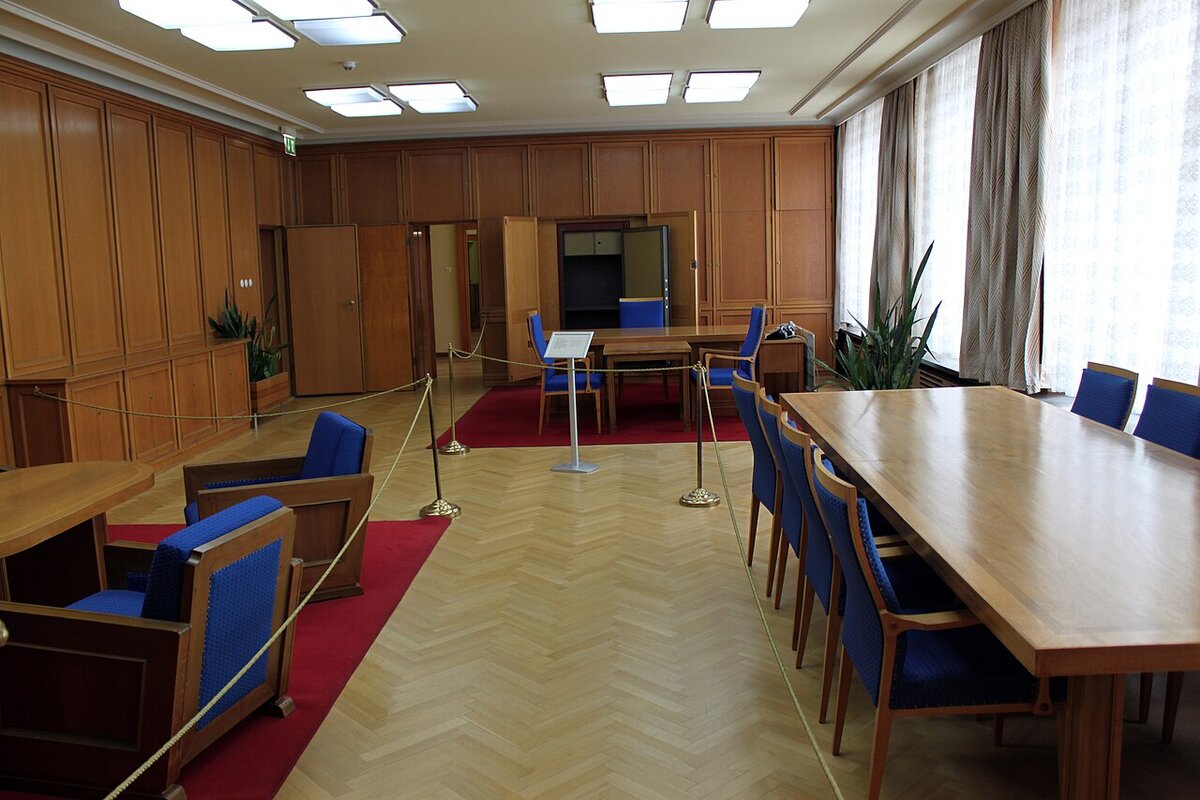
If you watch only one Berlin Wall film, make it The Lives of Others (2006), Florian Henckel von Donnersmarck’s Oscar-winning portrait of a Stasi officer assigned to bug an East Berlin playwright. Its quiet account of surveillance, conscience and the secret-police files is the finest dramatic introduction to the dictatorship that built the Wall – the same world we describe in our guide to the Stasi, East Germany’s secret police.
Christian Petzold’s Barbara (2012) trades thrills for atmosphere, following a Berlin doctor exiled to the provinces and watched at every turn, while Volker Schlondorff’s The Legend of Rita (2000) imagines a West German radical hidden by the Stasi behind the Wall, only to find the GDR closing in just as the country starts to collapse. On television, the lavish family saga Weissensee follows two Berlin families – one loyal to the regime, one dissident – across the GDR’s final decade, while the slick, soundtrack-driven spy series Deutschland 83 (and its sequels 86 and 89) turned the era into prestige drama for a global audience. The Same Sky dramatises a Stasi “Romeo agent” sent across the Wall to seduce secrets out of a West Berlin codebreaker.
Ostalgie: The Comedies of a Vanished Country
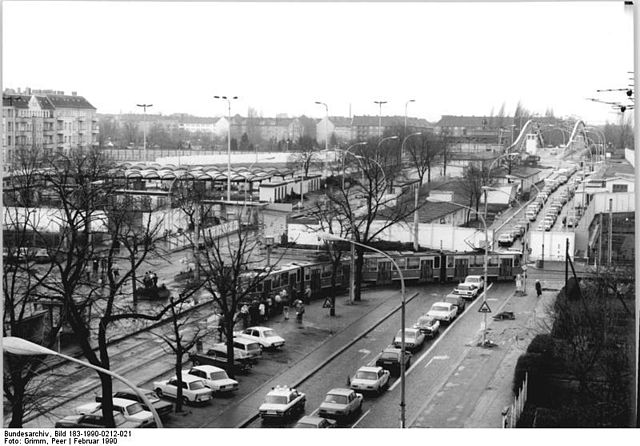
When the Wall fell, East Germany vanished almost overnight – and German cinema answered with a wave of warm, satirical comedies steeped in Ostalgie, nostalgia for the lost GDR. The TV-movie Bornholmer Strasse (2014) is a gem: a comic but moving retelling of the night of 9 November 1989 from the viewpoint of the bewildered border guards at the Bornholmer Strasse crossing, the first to open. The most beloved of all is Good Bye, Lenin! (2003), in which a son fakes the continued existence of East Germany to protect his ailing mother, who slept through the revolution and must not be shocked awake.
Leander Haussmann’s Sonnenallee (1999) remembers teenage life beside the Wall on the eastern stub of Sonnenallee, and his Berlin Blues (2003) follows a West Berlin barman through the last giddy days before the Wall falls. Peter Timm’s Beloved Berlin Wall (2009) turns the border itself into a romantic-comedy backdrop, as a West Berlin woman falls for an East German border guard.
The Wall as Cinema Poetry
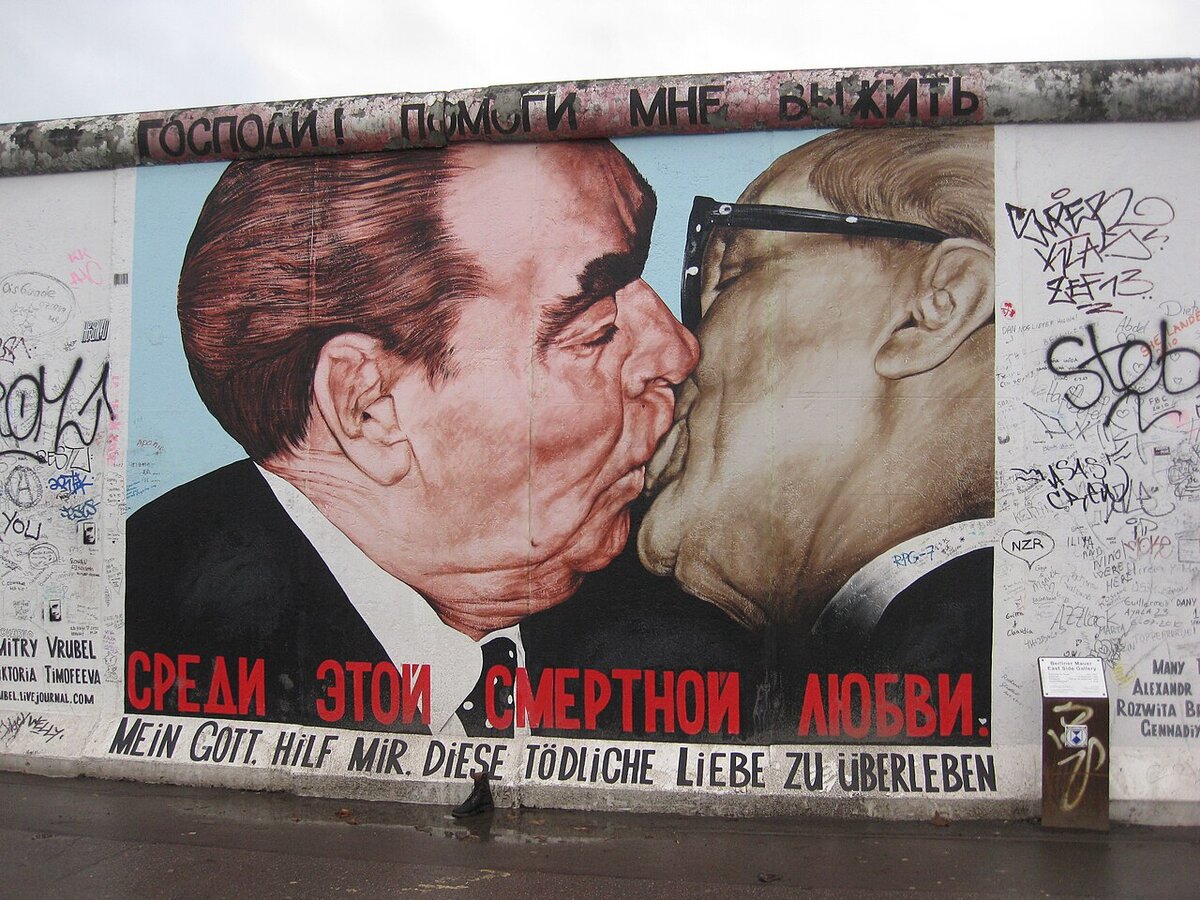
Some of the finest films about divided Berlin barely raise their voice. Wim Wenders’ Wings of Desire (1987) is the masterpiece: angels drift over a grey, walled city listening to its inhabitants’ thoughts, and the death strip itself becomes a haunting landscape – a film made just two years before the border it mourns disappeared. Today the longest surviving stretch of that border is the East Side Gallery, painted end to end by artists after 1989.
At the opposite extreme, Billy Wilder’s frantic Cold War farce One, Two, Three (1961) was filming at the Brandenburg Gate in August 1961 when the Wall actually went up, forcing the production to rebuild the gate as a set in Munich. Christian Schwochow’s West (2013) quietly follows an East German mother through the limbo of a West Berlin refugee centre, and the documentary Rabbit a la Berlin (2009) tells the whole history of the death strip through the wild rabbits that colonised it.
Where to Start: Our Top Picks
New to the genre? These five are the essential first watches – the highest-rated and most rewarding of the lot:
- The Lives of Others (2006) – the definitive Stasi drama, and the one Academy Award winner on this list.
- Weissensee (2010-2018) – if you want to live in the GDR for a few evenings, this family saga is the most immersive.
- One, Two, Three (1961) – Billy Wilder’s machine-gun comedy, filmed at the very moment the Wall went up.
- Wings of Desire (1987) – the poetic vision of the walled city, and a love letter to West Berlin.
- Bridge of Spies (2015) – the most accessible way in, and a true story you can still walk across today.
The oldest film here is The Man Between (1953), shot before the Wall existed; the newest are Ballon and Atomic Blonde. Between them they span every mood the divided city ever produced – and our full, filterable database collects all thirty.
Browse our complete Berlin Wall film database to filter all thirty titles by genre, decade and language, and to find each film’s trailer, rating and the real Berlin locations behind it.
Frequently Asked Questions
What is the best film about the Berlin Wall?
The Lives of Others (2006) is the most acclaimed, winning the Academy Award for Best Foreign Language Film for its portrait of Stasi surveillance in East Berlin. For a true story you can still visit, Steven Spielberg’s Bridge of Spies (2015) is the most accessible.
Which Berlin Wall films are based on true stories?
Many of them. Bridge of Spies recreates the 1962 Glienicke Bridge spy swap, The Tunnel dramatises the real Tunnel 29 escape of 1962, and Ballon retells the 1979 hot-air balloon escape of the Strelzyk and Wetzel families.
Are there any comedies about the Berlin Wall?
Yes – a whole genre of post-1989 Ostalgie comedies. Good Bye, Lenin! (2003), Sonnenallee (1999) and Bornholmer Strasse (2014) look back at East Germany with affection and humour, and Billy Wilder’s One, Two, Three (1961) is a classic Cold War farce.
Where can I watch films about the Berlin Wall?
Availability varies by country and changes over time. Our film database lists each title with its trailer and IMDb link so you can check current streaming options; many are also available on DVD and Blu-ray.
The Wall inspired as much music as cinema – hear it in the Berlin Wall in music. Once you have watched them, see where it all happened: explore the filming locations and every other site of the divided city on our interactive Berlin Wall map, or trace the real events on the Berlin Wall history timeline.
Checkpoint Charlie
East Side Gallery
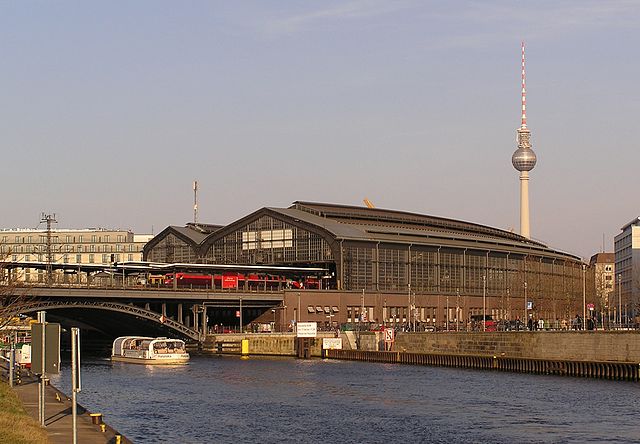
Bahnhof Friedrichstraße

History of the Berlin Wall: A Complete Guide (1961-1989)
65 Years Ago: US and Soviet Tanks Faced Off at Checkpoint Charlie
The Border Guards of the Berlin Wall: Conscripts, the Order to Shoot, and the Trials That Followed
9 November in Berlin: 37 Years Since the Wall Fell, and What’s On
Gethsemanekirche
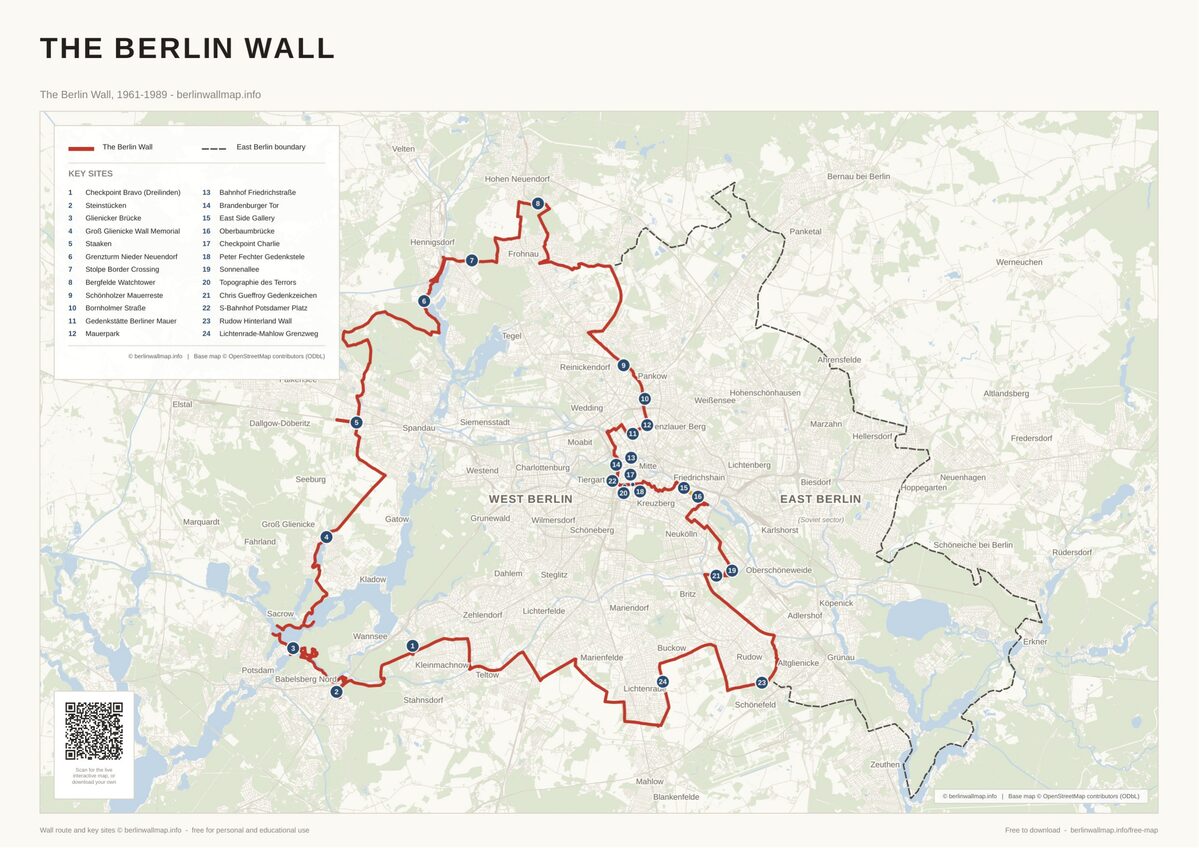
Free map downloads
Free printable PDF maps of the Berlin Wall.
Get the free maps →Explore the Timeline
Journey through Berlin Wall history from 1945 to 1990.
View Timeline →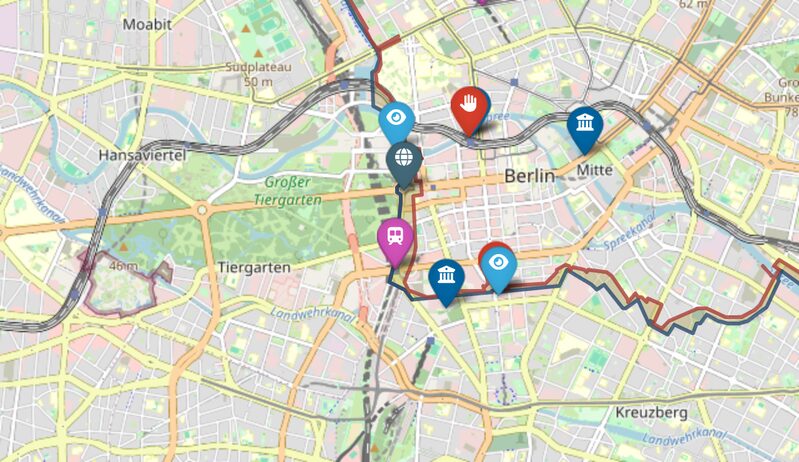
Embed Our Map
Add a free interactive Berlin Wall map to your website or blog.
Get embed code →