
Daring Escapes Across the Berlin Wall
Over the 28 years the Berlin Wall stood, more than 5,000 people managed to escape from East to West Berlin. They tunneled under the Wall, flew over it, swam around it, crashed through it in vehicles, and exploited every weakness they could find. At least 140 people died in the attempt. The stories of those who succeeded, and those who did not, reveal extraordinary courage, desperate ingenuity, and the lengths people will go to for freedom.
The Early Days: Jumping from Windows on Bernauer Straße
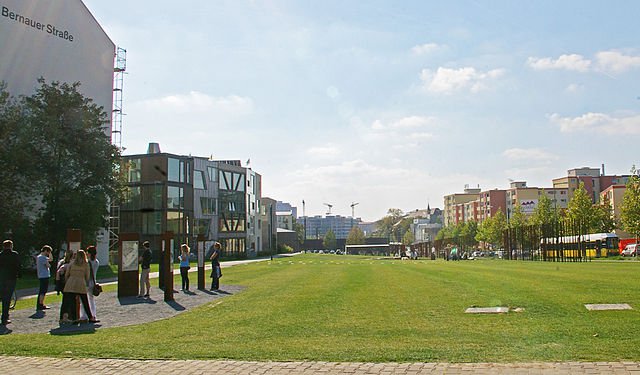
In the first days after August 13, 1961, the Wall was still just barbed wire and hastily bricked-up buildings. On Bernauer Straße, the border ran directly along the front of apartment buildings, the sidewalk was in the West, but the buildings belonged to the East. Residents on the upper floors began jumping from their windows into nets and blankets held by West Berlin firefighters below.
Some of the most harrowing photographs of the Wall’s early days show elderly women dangling from windowsills while East German police pulled from above and West Berliners caught from below. 77-year-old Frieda Schulze became an iconic figure when she was photographed escaping this way on September 24, 1961. The East German authorities soon bricked up all windows facing west and eventually demolished the buildings entirely. Today the Gedenkstätte Berliner Mauer on Bernauer Straße preserves this history, including a documentation center at the site of these early escapes.
Tunnel 29: The Escape That Made Television History
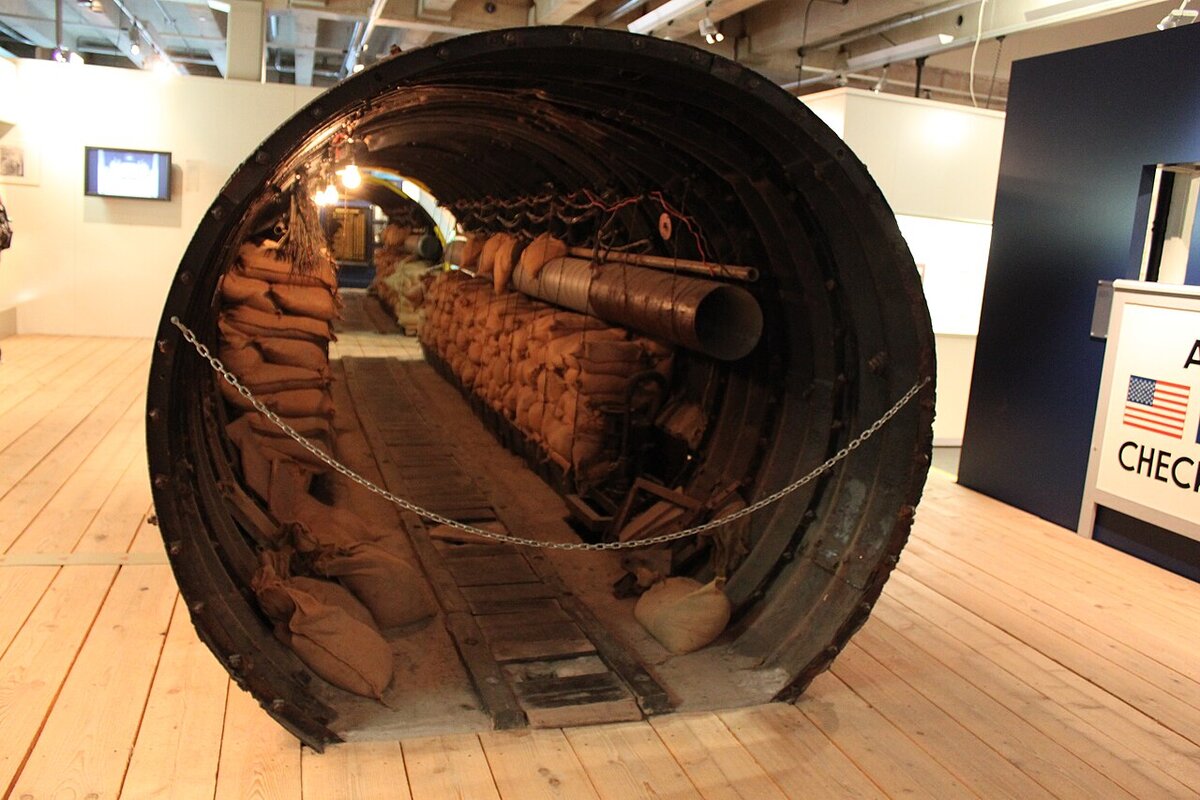
In the summer of 1962, a group of West Berlin students, many of them former East Germans themselves, began digging a tunnel from a disused factory on Bernauer Straße eastward under the Wall. The tunnel stretched 123 meters, was barely wide enough to crawl through, and constantly threatened to collapse or flood.
What made Tunnel 29 unique was that NBC News secretly funded the operation in exchange for filming rights. On September 14-15, 1962, 29 men, women, and children crawled through the muddy passage to freedom. The resulting documentary, “The Tunnel,” aired to an audience of millions and became one of the most acclaimed broadcasts in television history. The Kennedy administration initially tried to suppress the film, fearing it would inflame Cold War tensions, but NBC aired it anyway.
Tunnel 57: The Largest Mass Escape
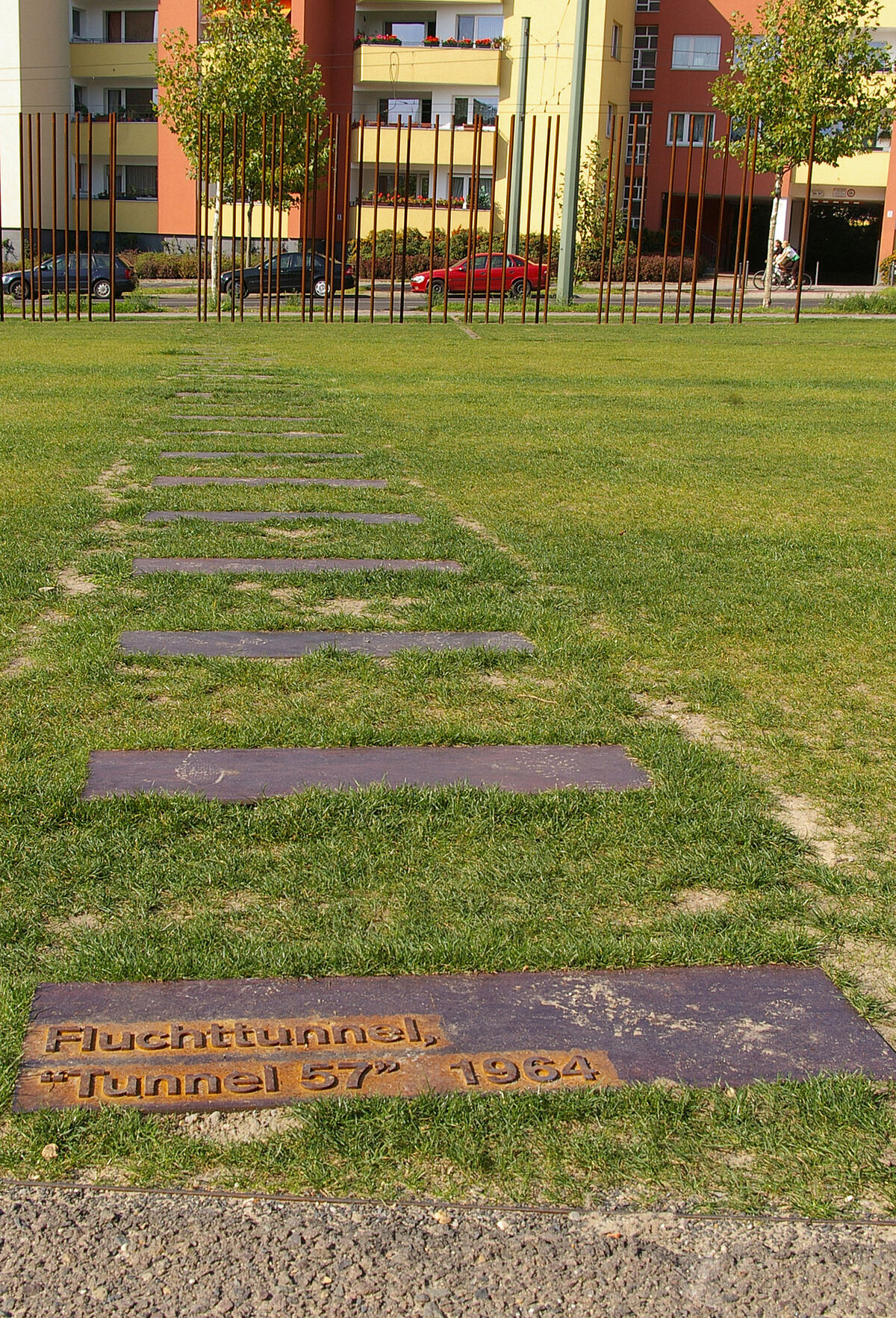
Two years later, another group of students and activists dug what would become the most successful escape tunnel in Berlin Wall history. Tunnel 57 ran from a bakery on Bernauer Straße in the West to the basement of an outdoor toilet in a courtyard on Strelitzer Straße in the East, a distance of about 145 meters.
On the nights of October 3-4, 1964, a total of 57 people escaped through the tunnel. They arrived in small groups, guided by couriers who had crossed into the East with forged papers to lead escapees to the tunnel entrance. On the second night, East German border guards discovered the operation. In the ensuing confrontation, a guard named Egon Schultz was shot and killed, the East German government blamed the escape helpers, but evidence later suggested he was hit by friendly fire from fellow guards.
Flying Over the Wall
On September 16, 1979, two families from Thuringia, the Strelczyks and the Wetzels, accomplished one of the most audacious escapes in Cold War history. Over 18 months, they secretly constructed a hot air balloon from curtain fabric, bedsheets, and propane gas cylinders. Their first attempt in July 1979 failed when the balloon lost altitude and crashed in the border zone, narrowly in the East. Incredibly, they were not caught.
Peter Strelczyk and Günter Wetzel built a second, larger balloon. On a clear September night, the two families, eight people in total, including four children, inflated the balloon in a forest clearing near Oberlemnitz and rose into the darkness. They flew for 28 minutes at altitudes up to 2,500 meters, crossing the border at high speed. The balloon landed in a field near the Bavarian town of Naila. They had traveled 30 kilometers and landed just 10 kilometers into West Germany. Their story was later dramatized in the 1982 Disney film “Night Crossing.”
Through the Water
The Berlin Wall crossed rivers and canals at several points, and some escapees chose to swim. The Spree River, the Teltow Canal, and the Havel River all formed parts of the border. The water routes were dangerous, border guards patrolled in boats, and barriers of steel grating were submerged beneath the surface to stop swimmers.
Despite this, dozens of people successfully swam to freedom. Some used snorkels or homemade diving equipment. Others inflated air mattresses or inner tubes. In one remarkable case in 1968, the Holzapfel family, parents and a young child, crossed the frigid Baltic Sea from the East German coast to Denmark in a folding kayak, paddling through the night for hours.
Hidden in Vehicles
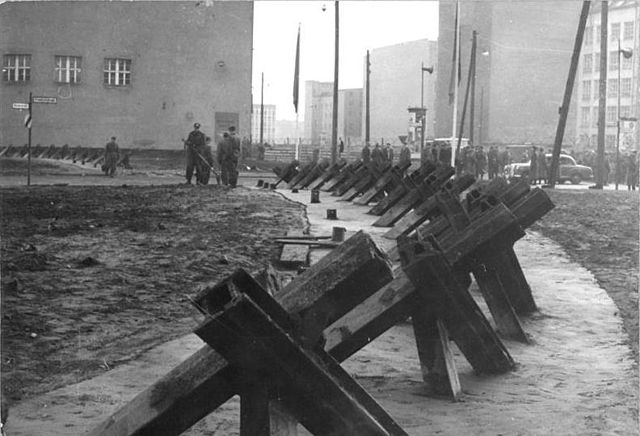
Modified cars became one of the most common escape methods, particularly in the early and mid-1960s before border checkpoints adopted advanced detection technology. Professional escape helpers, known as Fluchthelfer, would hollow out spaces in car trunks, engine compartments, and specially constructed hiding spots in dashboards or behind seats. Some cars were modified to hide a person in the space above the gas tank or in a welded cavity under the rear seat.
The most daring vehicular escape came on April 17, 1963, when an East German man drove a rented Austin-Healey Sprite sports car at full speed through the Checkpoint Charlie barrier. The car was so low that it passed cleanly under the checkpoint’s steel beam gate, which was designed to stop taller vehicles. East German guards fired but missed, and the driver made it to safety. The barrier was promptly lowered after the incident.
The Human Cost
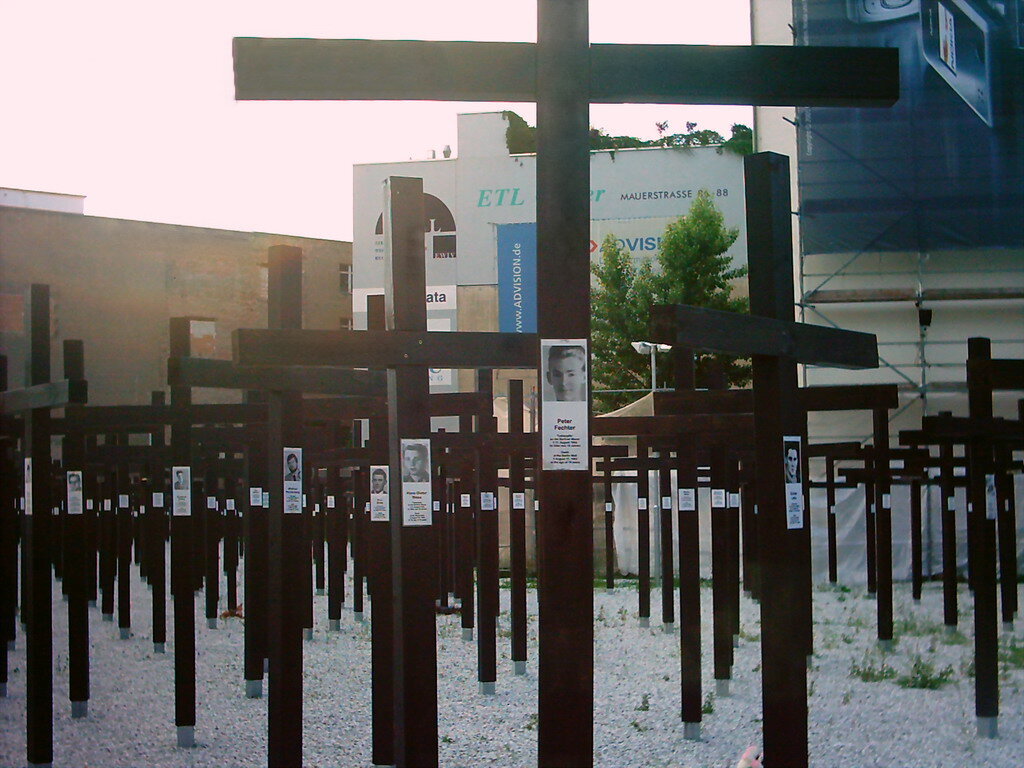
For every successful escape, many more attempts ended in capture, injury, or death. Peter Fechter, an 18-year-old bricklayer, was shot on August 17, 1962, while trying to climb the Wall near Checkpoint Charlie. He fell back into the death strip on the eastern side and lay in full view of horrified Western onlookers, crying for help. Neither East nor West German guards came to his aid for nearly an hour. He bled to death. His case provoked international outrage and remains one of the most painful episodes in the Wall’s history.
Chris Gueffroy, a 20-year-old waiter, became the last person killed by gunfire at the Wall on February 5, 1989. He and a friend attempted to cross near the Britz district canal, not knowing that the order to shoot at escapees was still in effect. Gueffroy was hit by ten bullets. His friend survived and was sentenced to three years in prison. Just nine months later, the Wall opened.
Today, memorials along the former border honor those who risked and lost their lives seeking freedom. You can visit these sites and trace the path of the Wall on our interactive map, or browse the full list of memorial places to learn more about the individuals and escape stories behind the Berlin Wall’s history.
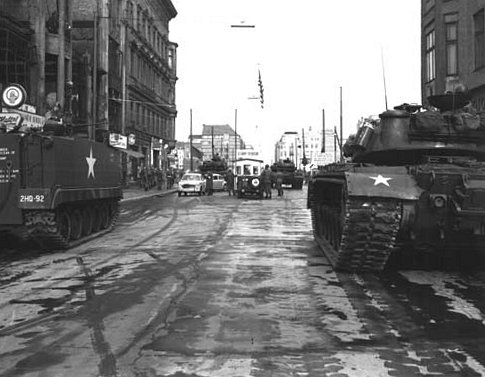
Checkpoint Charlie
East Side Gallery
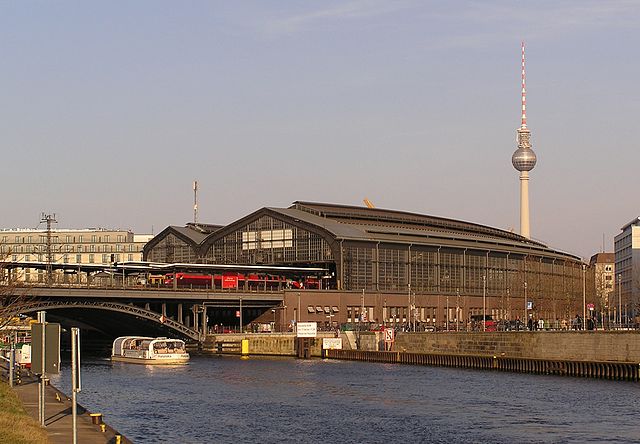
Bahnhof Friedrichstraße
History of the Berlin Wall: A Complete Guide (1961-1989)
65 Years Ago: US and Soviet Tanks Faced Off at Checkpoint Charlie
The Border Guards of the Berlin Wall: Conscripts, the Order to Shoot, and the Trials That Followed
9 November in Berlin: 37 Years Since the Wall Fell, and What’s On
Gethsemanekirche
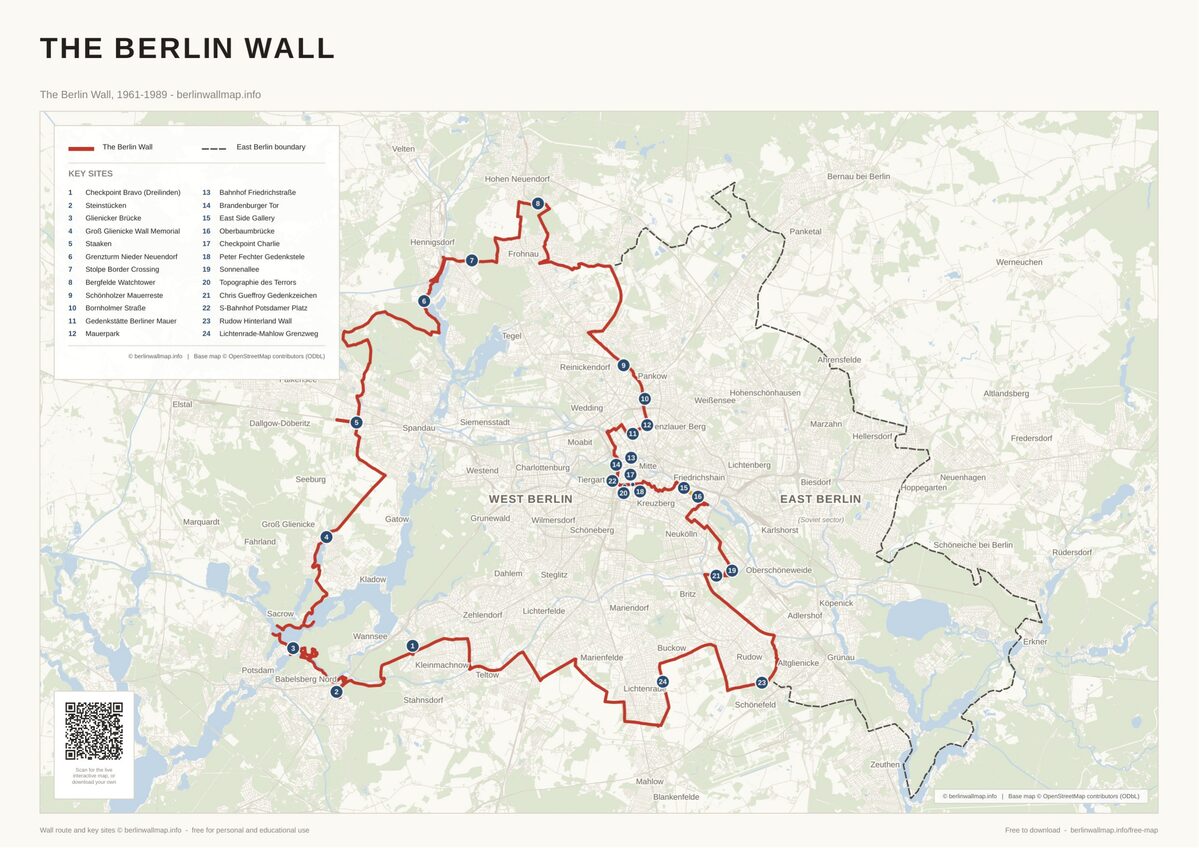
Free map downloads
Free printable PDF maps of the Berlin Wall.
Get the free maps →Explore the Timeline
Journey through Berlin Wall history from 1945 to 1990.
View Timeline →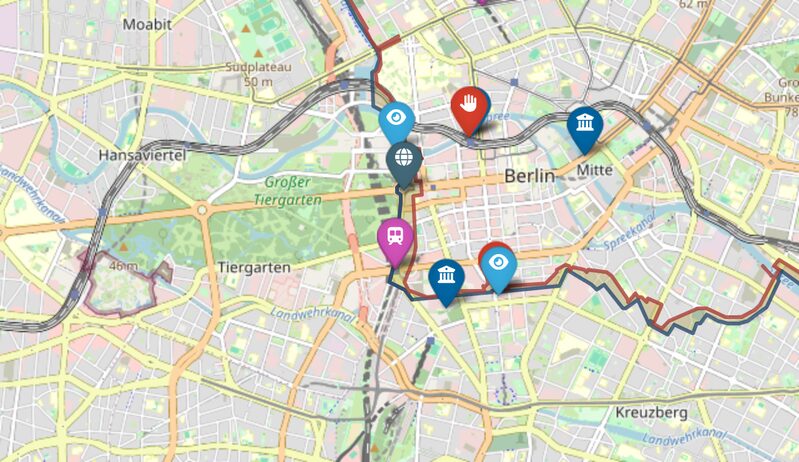
Embed Our Map
Add a free interactive Berlin Wall map to your website or blog.
Get embed code →