
Life on Both Sides: East Berlin vs West Berlin
Living in divided Berlin meant living in two different worlds separated by concrete. In West Berlin, residents enjoyed personal freedoms, consumer choice, and access to Western media, but lived on an island surrounded by hostile territory. In East Berlin, the state guaranteed employment, housing, and childcare, but at the cost of political freedom, constant surveillance, and restricted movement. The contrast between the two halves of the same city was one of the starkest illustrations of the Cold War divide.
Economy and Work
West Berlin operated as a capitalist market economy, heavily subsidized by the West German government. Workers earned Deutsche Marks, one of Europe’s strongest currencies, and could choose their employers freely. Shops overflowed with goods from around the world. The famous KaDeWe department store on Kurfürstendamm became a symbol of Western abundance, its food hall stocking delicacies from every continent.
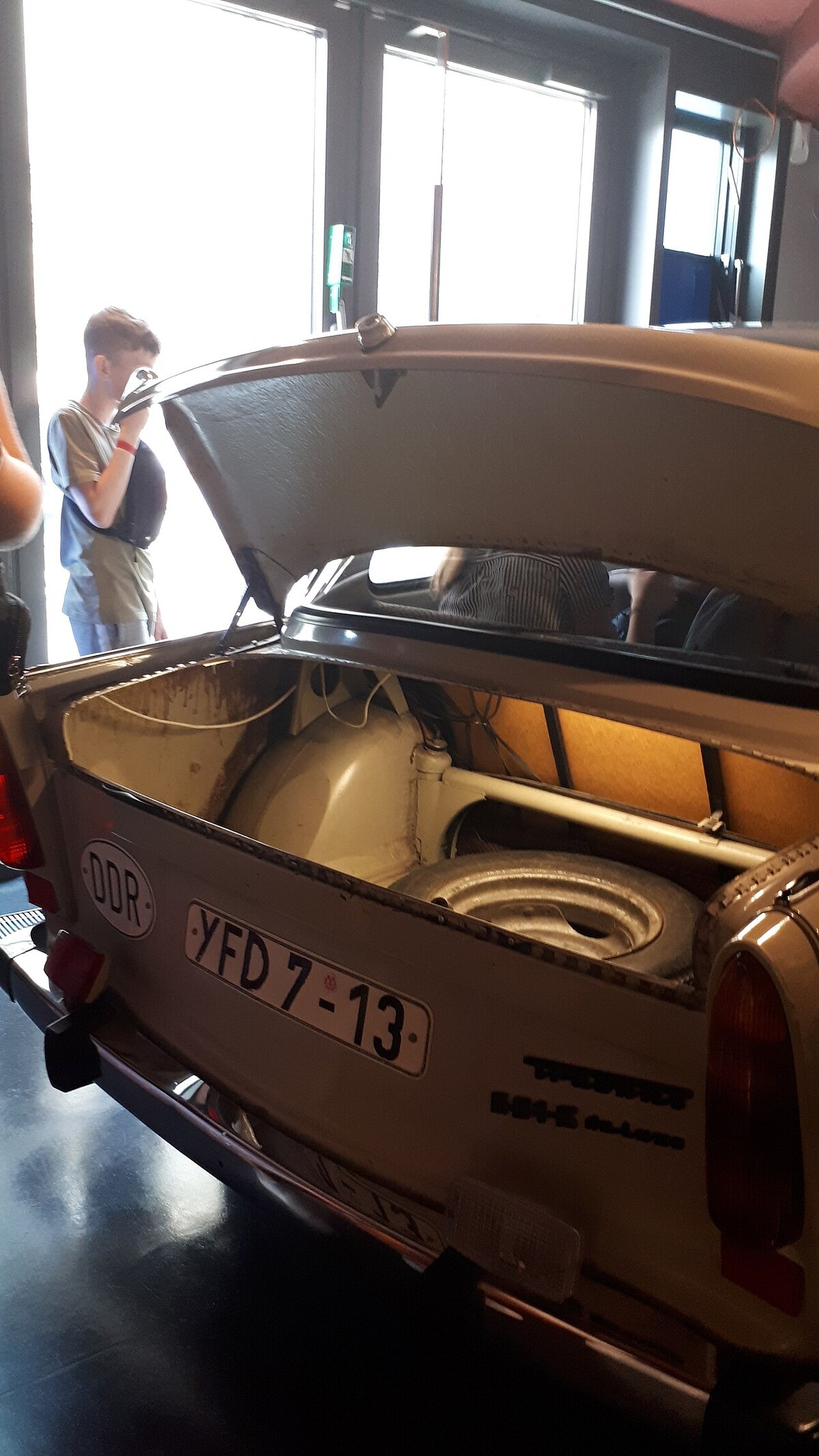
East Berlin ran on a centrally planned socialist economy. The state assigned jobs, and unemployment was officially nonexistent, though underemployment was widespread. Workers earned East German Marks, worth a fraction of their Western counterpart on the black market. Consumer goods were limited in variety and often required long waits. Ordering a Trabant car meant joining a waiting list that could stretch 10 to 15 years. Basic goods like bread and rent were heavily subsidized and cheap, but anything beyond essentials, coffee, bananas, electronics, was scarce or unavailable.
Housing and Daily Life
West Berliners lived in a mix of prewar apartments, postwar social housing, and renovated buildings. Rents varied, neighborhoods had distinct characters, and residents could move freely within the city. The alternative scene in Kreuzberg, which bordered the Wall on three sides, attracted squatters, artists, and immigrants, creating one of Europe’s most diverse urban neighborhoods.
East Berliners were assigned housing by the state. Many lived in Plattenbau apartment blocks, prefabricated concrete high-rises built from the 1960s onward in districts like Marzahn and Hellersdorf. These flats were modern by GDR standards, with central heating and indoor plumbing, but were uniform and cramped. Rents were negligible, often just a few Marks per month, but tenants had little say in where they lived. The grand boulevard of Karl-Marx-Allee, with its Stalinist “wedding cake” architecture, showcased the regime’s vision of socialist urban planning.
Media, Culture, and Entertainment
West Berlin had a thriving free press, with newspapers like the Berliner Morgenpost and Der Tagesspiegel offering uncensored reporting. Radio stations like RIAS (Radio in the American Sector) and SFB broadcast news, rock music, and cultural programming. Television offered multiple channels, including the popular ZDF and ARD networks. West Berlin’s cultural scene exploded in the 1970s and 80s, producing artists like David Bowie (who lived there from 1976 to 1978), bands like Einstuerzende Neubauten, and a legendary club and gallery scene.
East Berlin’s media was state-controlled. Neues Deutschland, the official newspaper of the Socialist Unity Party (SED), delivered the party line. East German television offered two channels of approved programming. However, most East Berliners could receive West German TV and radio signals, the government eventually stopped trying to prevent this, leading to the ironic situation where East Germans often knew more about world events than their government wished. The regime invested heavily in high culture: the Berliner Ensemble (Brecht’s theater company), the Komische Oper, and the state film studio DEFA all produced internationally respected work, though always within ideological boundaries. You can learn more about daily life in the GDR at the DDR Museum.
Surveillance and Political Freedom
West Berliners enjoyed full democratic rights: free speech, free assembly, freedom of the press, and the right to travel. Political parties ranged across the spectrum. Protests were common and legally protected. The city became a haven for conscientious objectors, since West Berlin residents were exempt from West German military service.
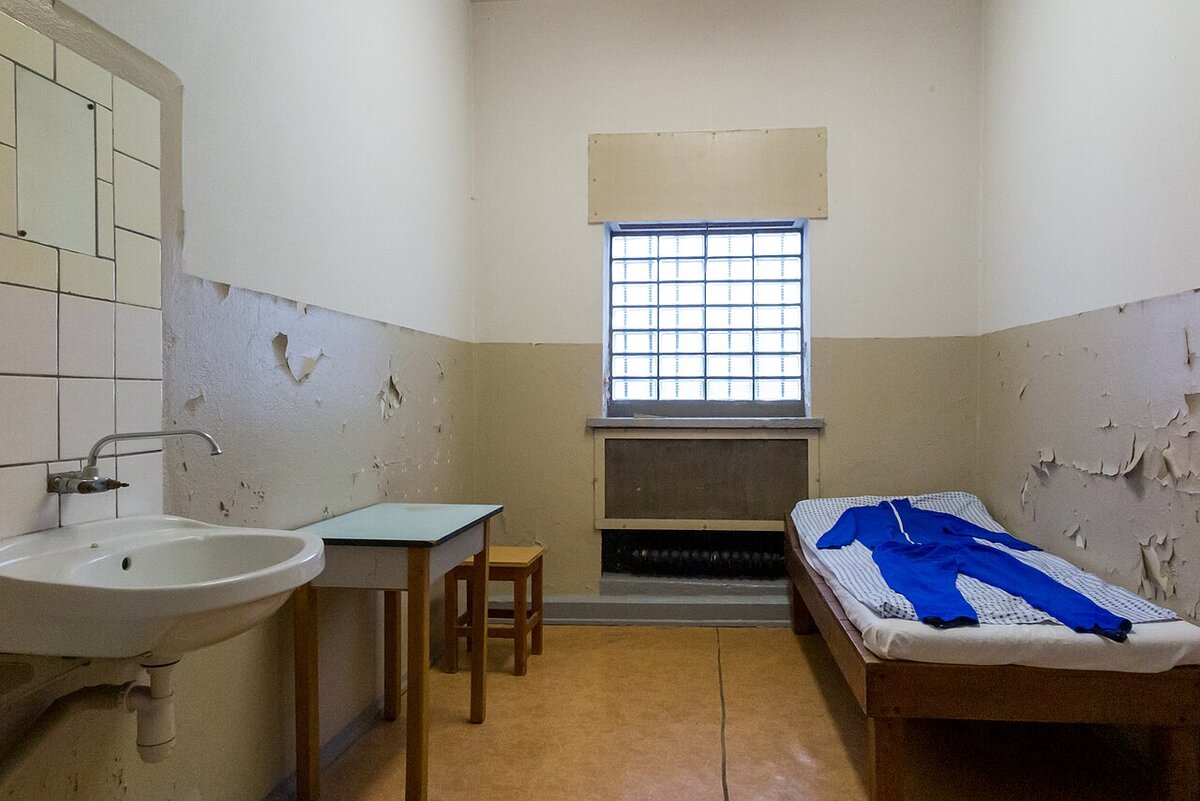
East Berliners lived under the watchful eye of the Ministerium für Staatssicherheit, the Stasi. With 91,000 employees and an estimated 189,000 informants, the Stasi infiltrated every level of society. Neighbors spied on neighbors. Mail was opened, phones were tapped, and apartments were bugged. Dissent could lead to interrogation at Hohenschönhausen, the Stasi’s main detention center, where psychological torture techniques were used to break suspects. The full extent of this surveillance apparatus is documented at the Stasi Museum in the former Stasi headquarters in Lichtenberg.
Travel and the Border
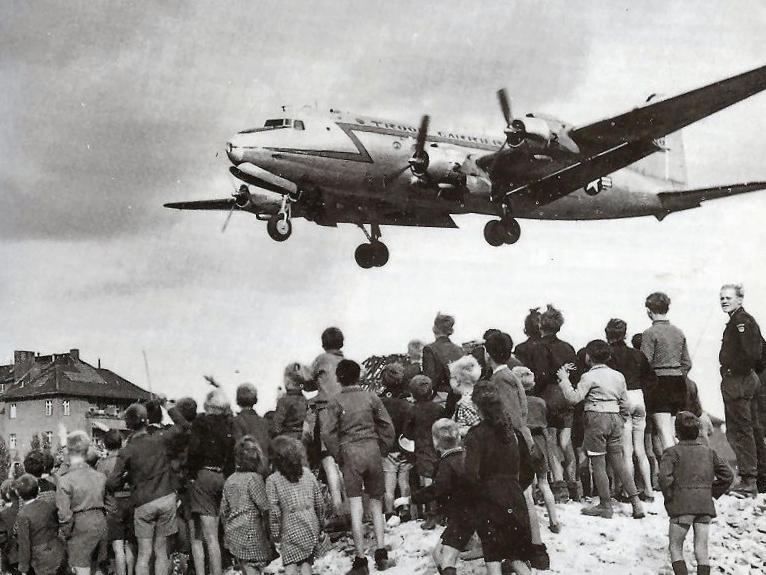
Perhaps nothing defined the divide more sharply than freedom of movement. West Berliners could travel almost anywhere in the world. They could fly from Tempelhof Airport to Paris, London, or New York. They could even visit East Berlin, passing through checkpoints like Checkpoint Charlie or the Tränenpalast at Friedrichstraße station, though they had to exchange a minimum amount of currency and return by midnight.
East Berliners could not leave. The Wall was built precisely to stop them from fleeing westward, between 1949 and 1961, roughly 3.5 million East Germans had emigrated, draining the country of its workforce. After August 13, 1961, attempting to cross the border was a criminal act punishable by imprisonment or death. Only retirees were routinely allowed to visit the West, since they were no longer economically productive. For everyone else, the Brandenburg Gate, once the grand entrance to the city, stood sealed behind the death strip, a daily reminder of their confinement.
Two Cities, One Shared Trauma
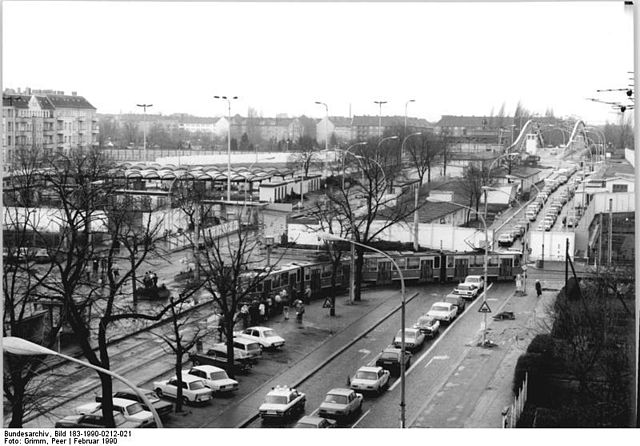
Despite the vast differences, residents on both sides shared the trauma of division. West Berliners lived with the psychological weight of encirclement, surrounded by a wall they could see from their windows. East Berliners lived with the frustration of forced immobility in an era of increasing global connection. When the Wall finally opened at Bornholmer Straße on the night of November 9, 1989, the tears of joy on both sides reflected decades of shared pain. The scars of division, economic, cultural, and psychological, took far longer to heal than the concrete took to demolish. Explore the places that tell this story on our interactive map.
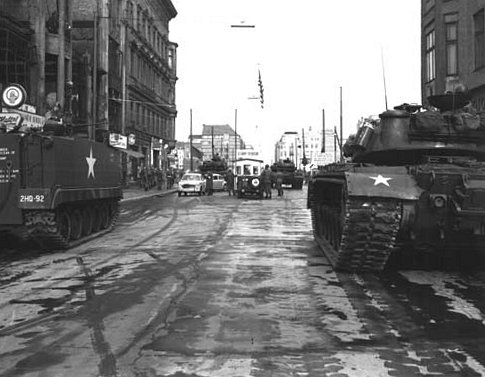
Checkpoint Charlie
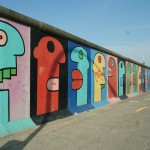
East Side Gallery
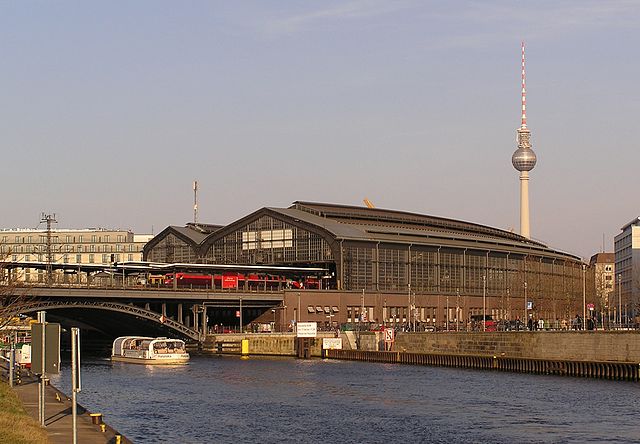
Bahnhof Friedrichstraße
History of the Berlin Wall: A Complete Guide (1961-1989)
65 Years Ago: US and Soviet Tanks Faced Off at Checkpoint Charlie
The Border Guards of the Berlin Wall: Conscripts, the Order to Shoot, and the Trials That Followed
9 November in Berlin: 37 Years Since the Wall Fell, and What’s On
Gethsemanekirche
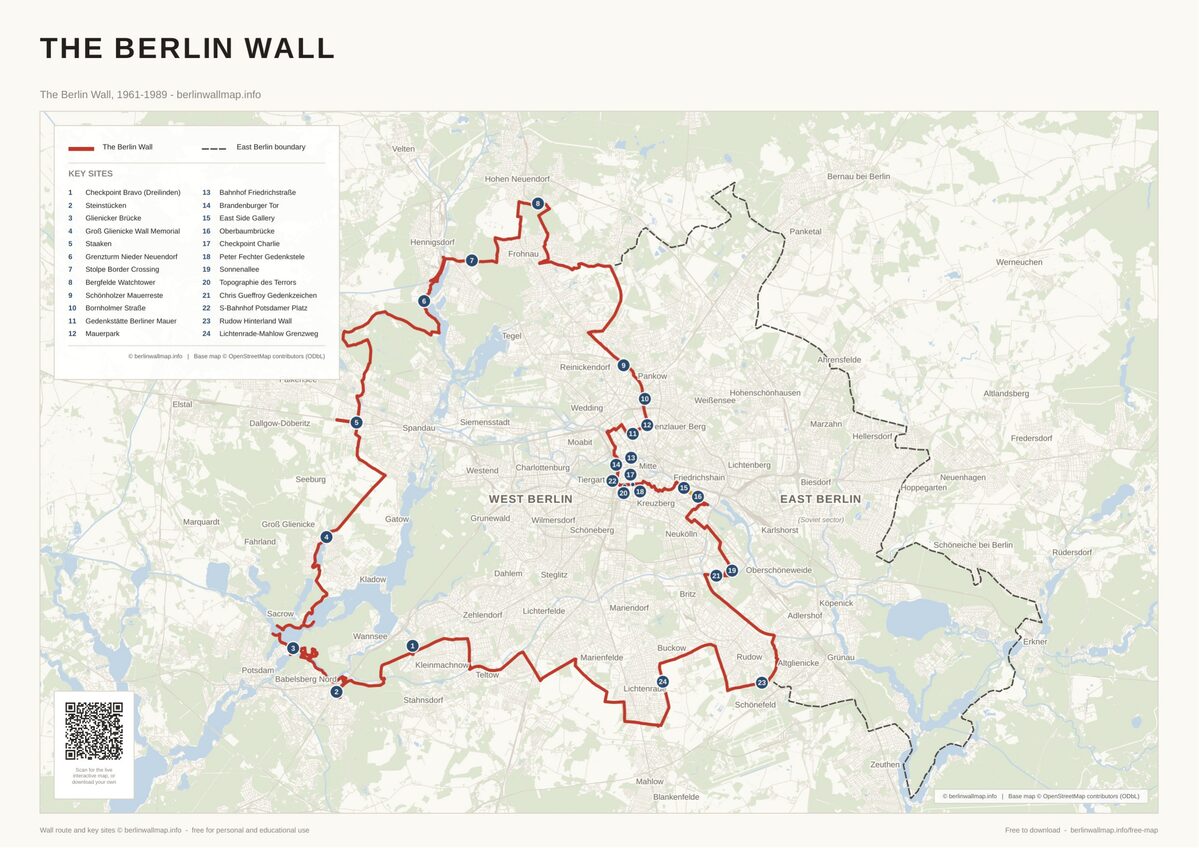
Free map downloads
Free printable PDF maps of the Berlin Wall.
Get the free maps →Explore the Timeline
Journey through Berlin Wall history from 1945 to 1990.
View Timeline →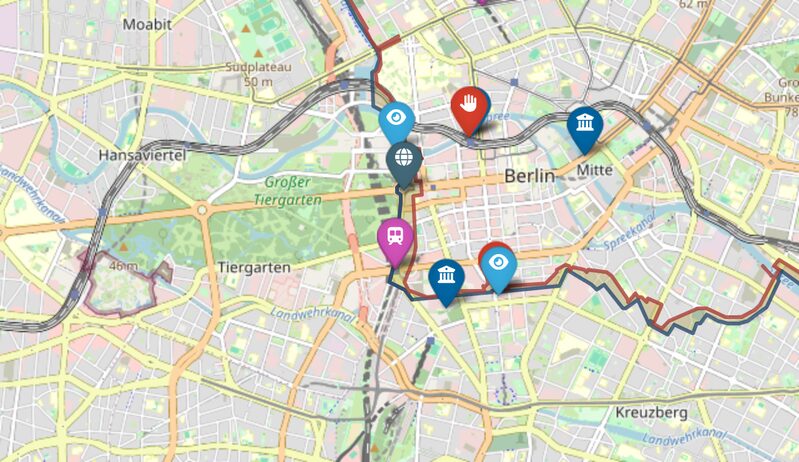
Embed Our Map
Add a free interactive Berlin Wall map to your website or blog.
Get embed code →