
Victims of the Berlin Wall: Remembering Those Who Died
At least 140 people died at the Berlin Wall between 1961 and 1989, according to research by the Berlin Wall Memorial’s documentation center and the Centre for Contemporary History in Potsdam. Victims included people shot while attempting to cross, those who drowned in border waterways, individuals who suffered fatal accidents during escape attempts, and at least one person who died from a heart attack during a border control confrontation. The true number may be higher, as the East German government suppressed information about border deaths.
The Human Cost of the Wall
Behind the statistics are individual stories of extraordinary courage and devastating loss. The victims ranged in age from one-year-old children to elderly men and women. They were bricklayers and students, soldiers and mothers. Some had planned their escapes for months; others acted on impulse. What united them was a refusal to accept the Wall as the final word on their freedom.
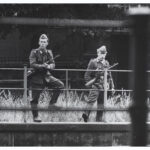
East German border guards operated under Schießbefehl, a standing shoot-to-kill order for anyone attempting unauthorized border crossings. While the GDR government publicly denied the existence of such an order, declassified documents and court testimony after reunification confirmed it unequivocally. Guards who successfully prevented escapes, including by killing the person attempting to flee, were rewarded with bonuses, promotions, and medals.
Günter Litfin: The First Victim
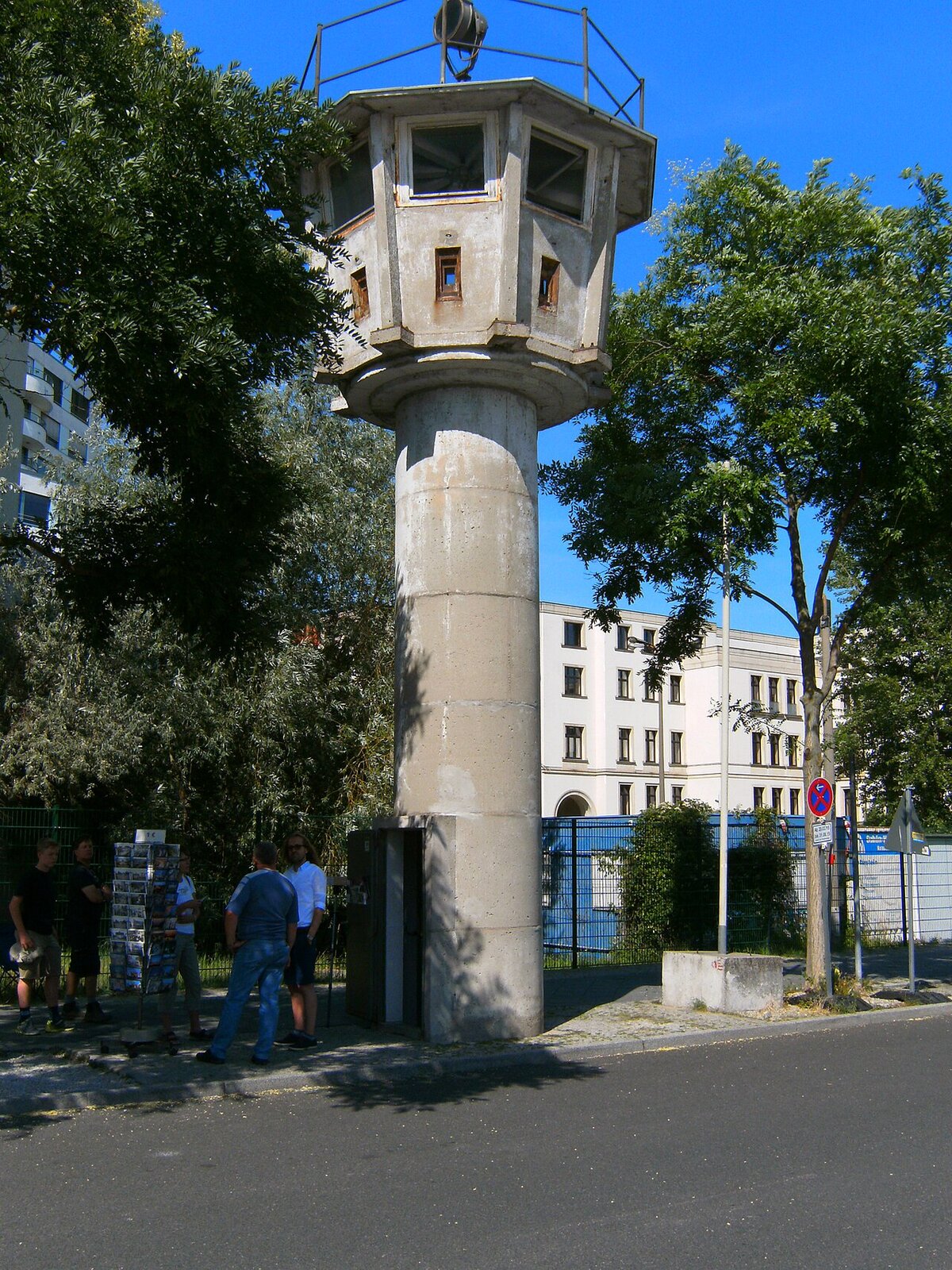
Günter Litfin, a 24-year-old tailor, became the first person killed at the Berlin Wall on August 24, 1961, just eleven days after the border was sealed. Litfin had been working in West Berlin and living in the East. When the Wall went up, he was cut off from his livelihood. He attempted to swim across the Spandau Ship Canal near Humboldthafen, close to the present-day Berlin Hauptbahnhof. Transport police officers spotted him in the water and opened fire. He was struck in the head and killed instantly.
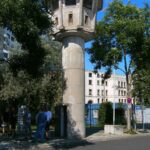
Litfin’s brother Jürgen devoted his life to preserving his memory. He maintained a small memorial at a former watchtower overlooking the canal until his own death in 2009. The watchtower, one of the few surviving examples, is now a permanent memorial.
Peter Fechter: Death in the Death Strip
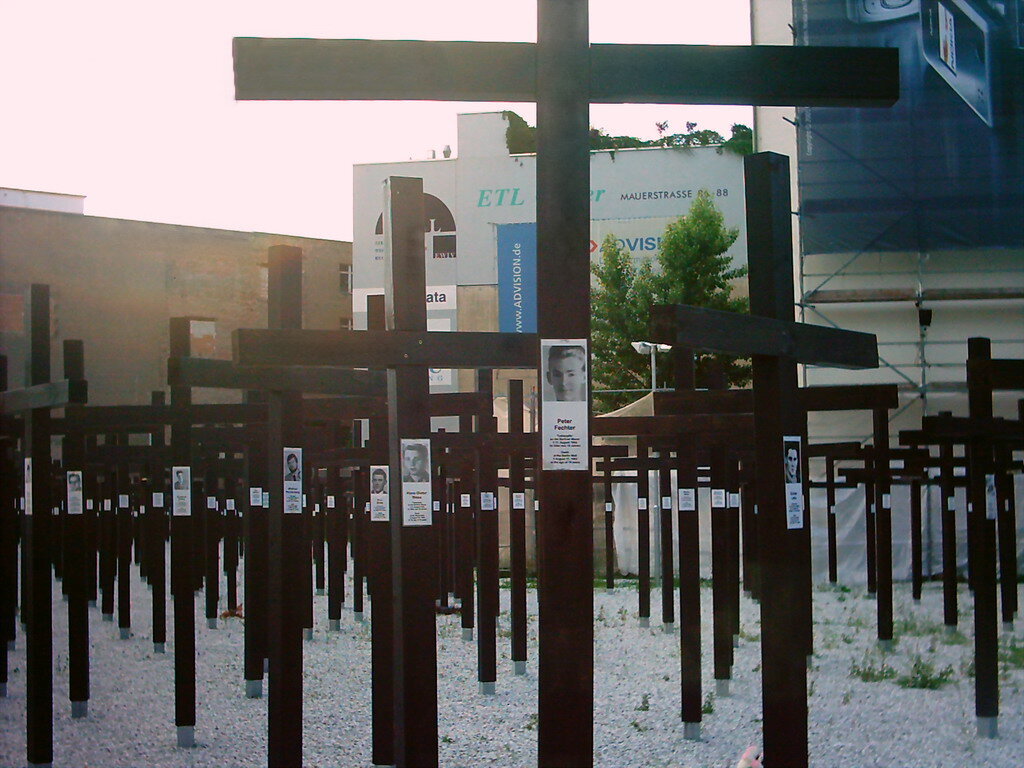
No single death at the Wall provoked as much outrage as that of Peter Fechter. On August 17, 1962, the 18-year-old bricklayer and his friend Helmut Kulbeik attempted to cross the Wall near Checkpoint Charlie by climbing through the windows of a building on Zimmerstrasse. Kulbeik made it over the Wall to safety. Fechter was hit by gunfire as he reached the top.
He fell back into the death strip on the Eastern side, where he lay wounded and calling for help. For nearly an hour, he was visible and audible to journalists, American soldiers, and hundreds of West Berliners who gathered on the other side. East German guards made no attempt to assist him. Western forces, bound by strict orders not to enter the Eastern zone, could only watch. Some threw bandages over the Wall in a futile gesture.
Fechter bled to death. His body was eventually carried away by East German border guards. The incident, captured by press photographers, sparked angry protests in West Berlin and international condemnation. Today, a simple memorial cross at the site of his death on Zimmerstrasse stands as one of the Wall’s most affecting monuments. The Berlin Wall Memorial on Bernauer Strasse also documents his story in its permanent exhibition.
Chris Gueffroy: The Last Victim Shot at the Wall
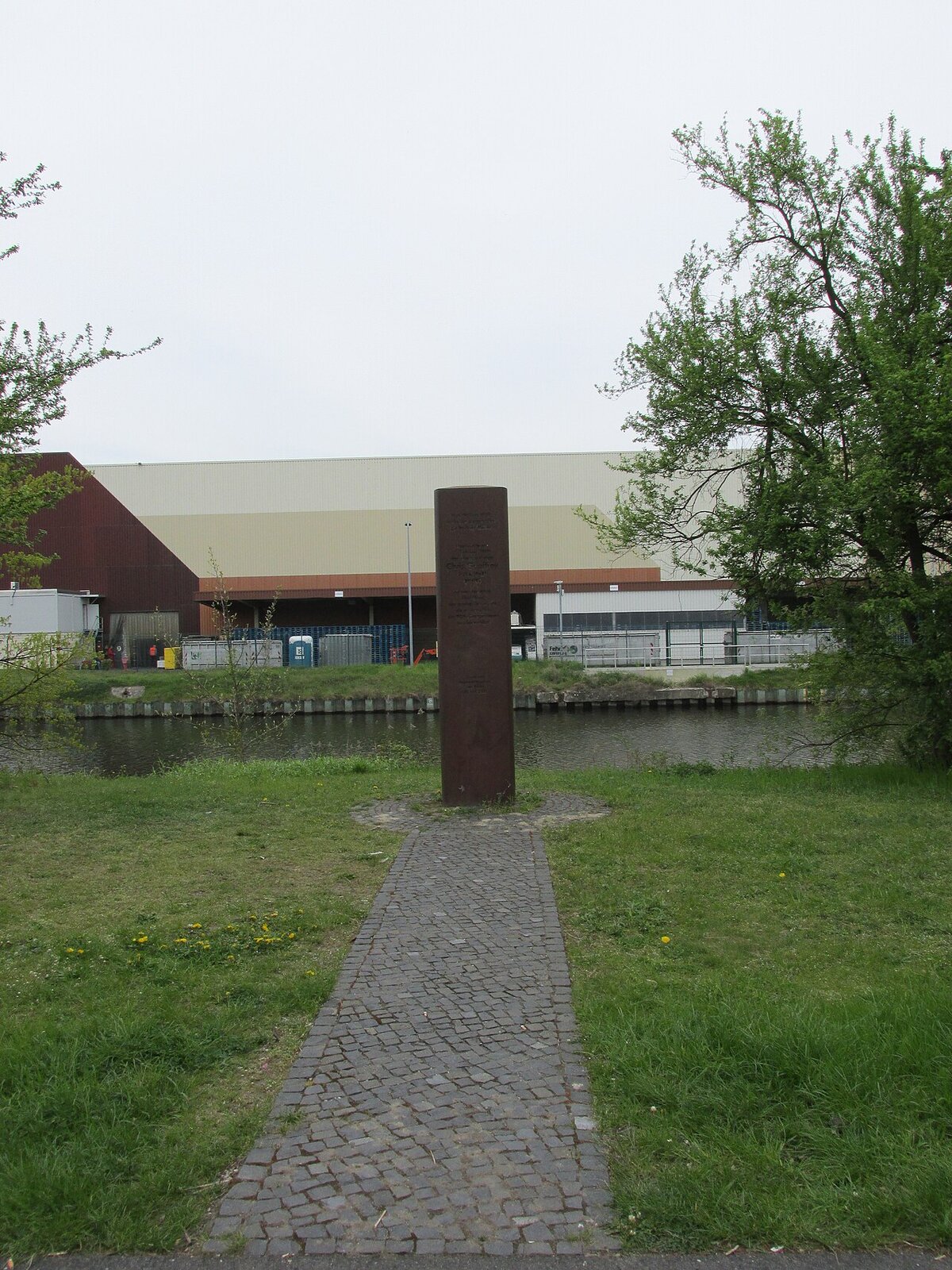
Chris Gueffroy holds the tragic distinction of being the last person killed by gunfire while trying to cross the Berlin Wall. On the night of February 5, 1989, the 20-year-old waiter and his friend Christian Gaudian attempted to cross the border fortifications near the Britz district canal in Treptow, in southern Berlin. Gueffroy had heard a rumor that the shoot-to-kill order had been rescinded. The rumor was false.
The two young men triggered an alarm as they reached the final fence. Four border guards opened fire. Gueffroy was hit in the chest and died almost immediately. Gaudian was wounded and arrested. He was sentenced to three years in prison for “attempted illegal border crossing” but was released after a few months following a deal brokered by the West German government.
The guards who killed Gueffroy were awarded medals for their actions. After reunification, two of them were convicted of manslaughter, though they received only suspended sentences. Gueffroy died just nine months before the Wall fell. His mother, Karin Gueffroy, became a prominent voice for remembrance and justice for Wall victims.
The very last person to die at the Wall was Winfried Freudenberg, who was killed on March 8, 1989, when his homemade gas balloon crashed in West Berlin after a night flight over the border. His death, a month after Gueffroy’s, underscored the desperate lengths to which people went to escape.
The Forgotten Victims
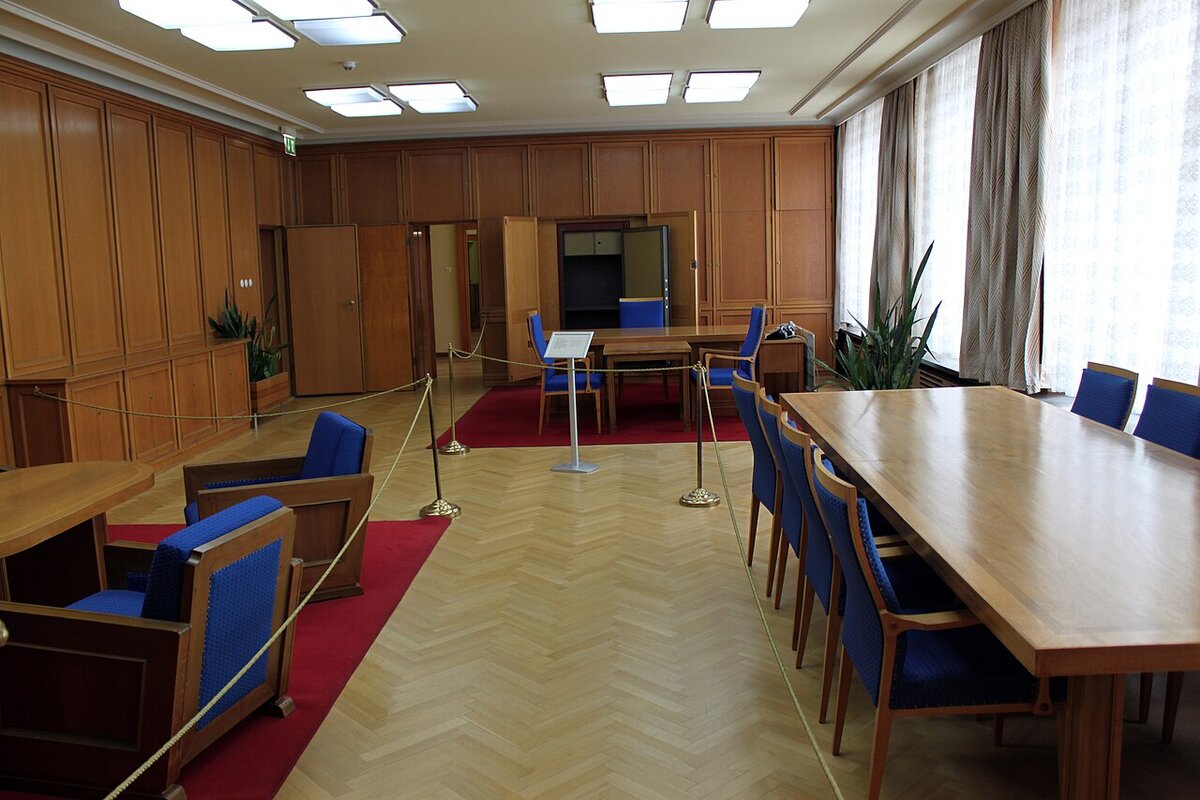
Not all victims of the Wall died in dramatic escape attempts. The documented cases include:
- East German border guards who were killed by fellow guards or by escapees. At least eight soldiers died in border-related incidents.
- Western citizens who were shot or killed in the border area, sometimes accidentally. Several West Berlin children drowned in border waterways when they fell in and East German guards were forbidden from assisting them.
- People who died of indirect causes: heart attacks during passport controls, suicides driven by desperation over separation, and those killed in accidents while attempting to navigate the fortifications.
The Stasi, East Germany’s secret police, worked systematically to conceal border deaths. Families were often told their relatives had died of natural causes or in accidents. Bodies were cremated quickly to prevent autopsies. The full machinery of state deception is documented at the Stasi Museum and the former detention center at Hohenschönhausen.
Remembrance Today
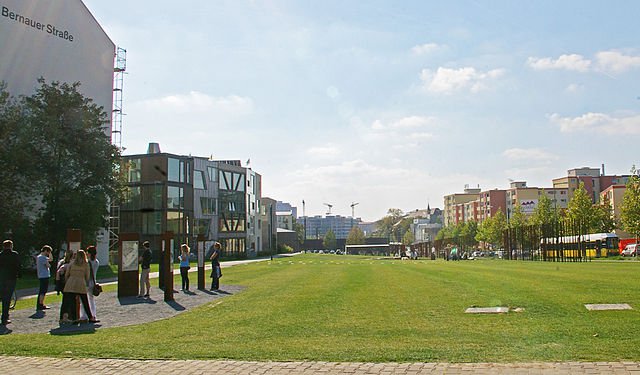
Berlin remembers its Wall victims at numerous sites throughout the city. The Gedenkstätte Berliner Mauer on Bernauer Strasse maintains a “Window of Remembrance,” a wall of portrait photographs commemorating those who were killed. Every year on the anniversary of the Wall’s construction (August 13) and its fall (November 9), ceremonies are held at the memorial.
White crosses near the Reichstag building, overlooking the Spree, memorialize those who died attempting to swim across the river to freedom. Individual memorial plaques and crosses are scattered along the Wall’s former path, marking the locations where specific people lost their lives.
The East Side Gallery, while primarily a celebration of freedom and art, also is a reminder of what the Wall represented. Its preserved concrete panels, standing where they stood during the years of division, carry the implicit memory of those who died trying to get past them.
You can visit all of these memorial sites using our interactive map. For more historical context, see our facts about the Berlin Wall and browse the full list of historical places in Berlin.
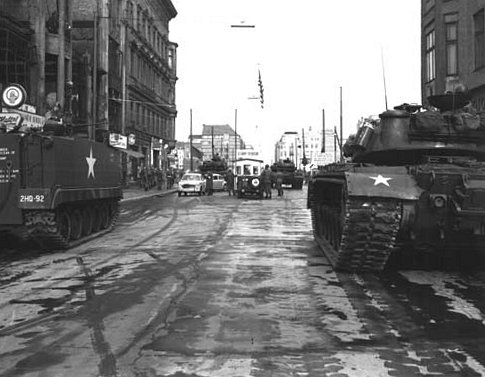
Checkpoint Charlie
East Side Gallery
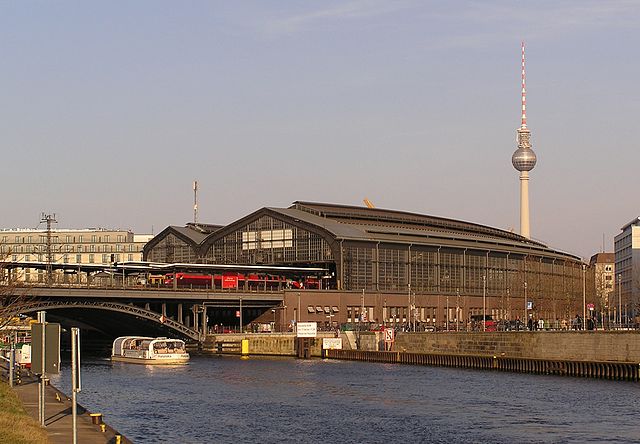
Bahnhof Friedrichstraße
History of the Berlin Wall: A Complete Guide (1961-1989)
65 Years Ago: US and Soviet Tanks Faced Off at Checkpoint Charlie
The Border Guards of the Berlin Wall: Conscripts, the Order to Shoot, and the Trials That Followed
9 November in Berlin: 37 Years Since the Wall Fell, and What’s On
Gethsemanekirche
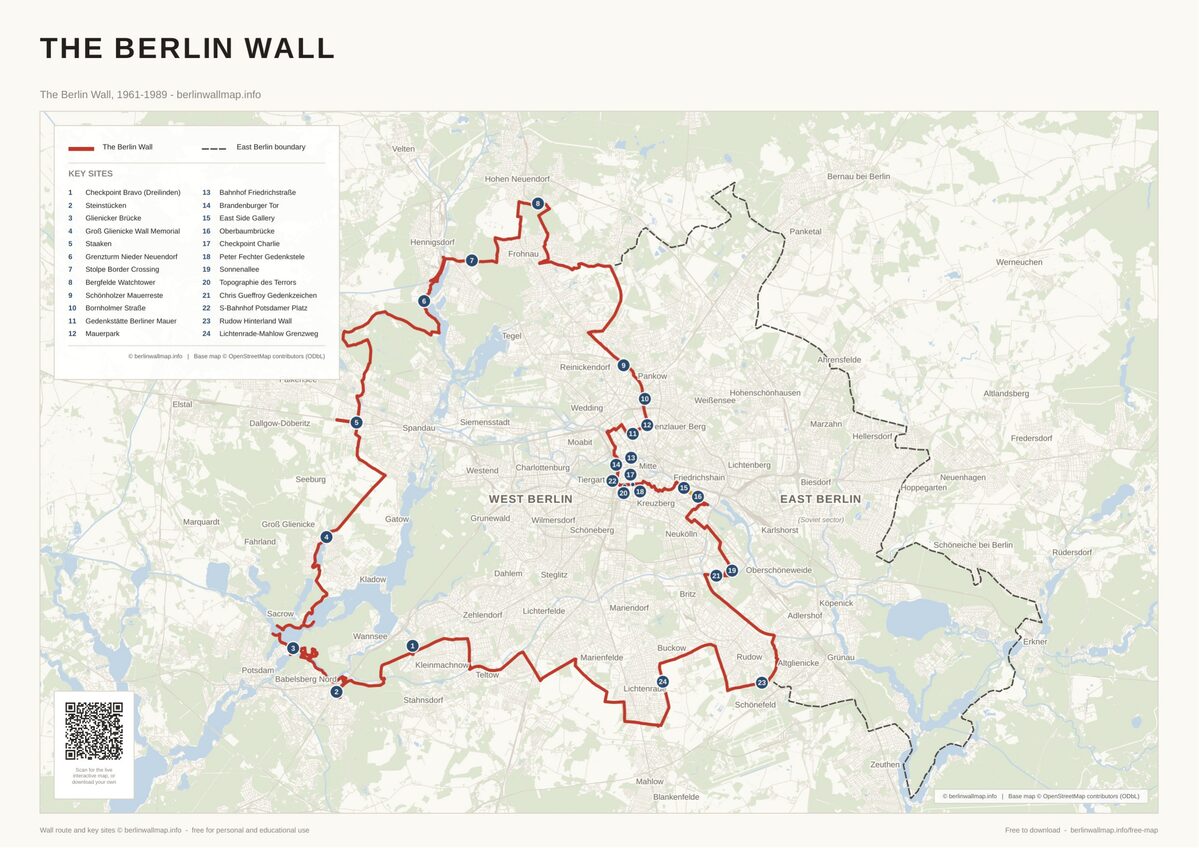
Free map downloads
Free printable PDF maps of the Berlin Wall.
Get the free maps →Explore the Timeline
Journey through Berlin Wall history from 1945 to 1990.
View Timeline →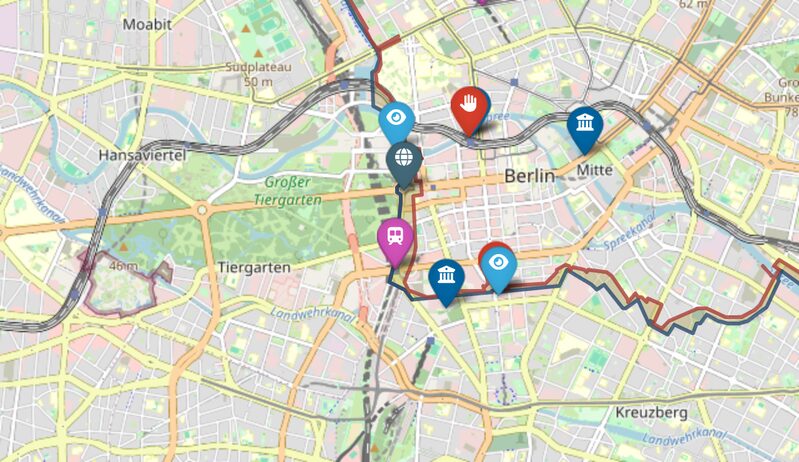
Embed Our Map
Add a free interactive Berlin Wall map to your website or blog.
Get embed code →