
Berlin Wall Walking Tour: A Self-Guided Route Through History
This self-guided walking tour covers the most important Berlin Wall sites across central Berlin, following a logical route that you can complete in one full day or split across two shorter outings. The total walking distance is approximately 12 kilometers (7.5 miles), with public transit connections between the more distant sites. All locations are marked on our interactive Berlin Wall map.
- Duration: 6-8 hours (full day with museum visits)
- Distance: ~12 km on foot, with optional U-Bahn/S-Bahn segments
- Best time: Start by 9:00 AM to allow time for indoor sites
- Cost: Most outdoor memorials are free; museums charge 5-15 EUR
- Tip: Wear comfortable shoes. The route follows sidewalks and paved paths, but covers significant ground.
Site 1: Gedenkstätte Berliner Mauer (Berlin Wall Memorial)
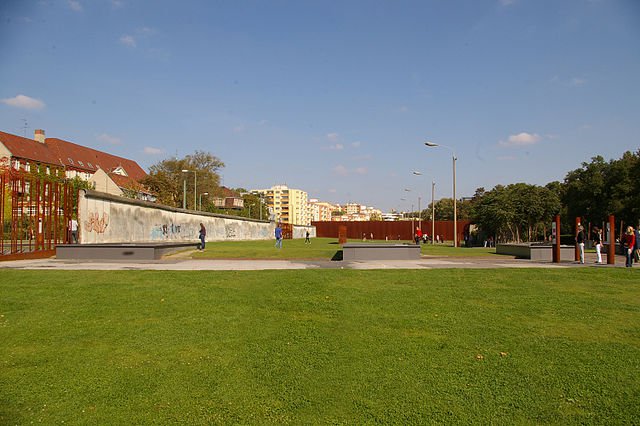
Address: Bernauer Strasse 111, 13355 Berlin
Nearest station: U Bernauer Strasse (U8)
Time needed: 60-90 minutes
Begin your tour at the Berlin Wall Memorial, the most important site for understanding the Wall’s physical reality. This is the only place in Berlin where you can see a fully preserved section of the border fortifications in their original depth, including the outer wall, death strip, guard tower foundations, and inner wall.
The outdoor exhibition along Bernauer Strasse stretches for 1.4 kilometers and is free to visit. The Documentation Center across the street has a viewing platform offering a bird’s-eye perspective of the former death strip. This is also where the Chapel of Reconciliation stands on the site of a church that was dynamited by the East German government in 1985 to improve guards’ sight lines.
Site 2: Tunnel 57 and Tunnel 29 Sites
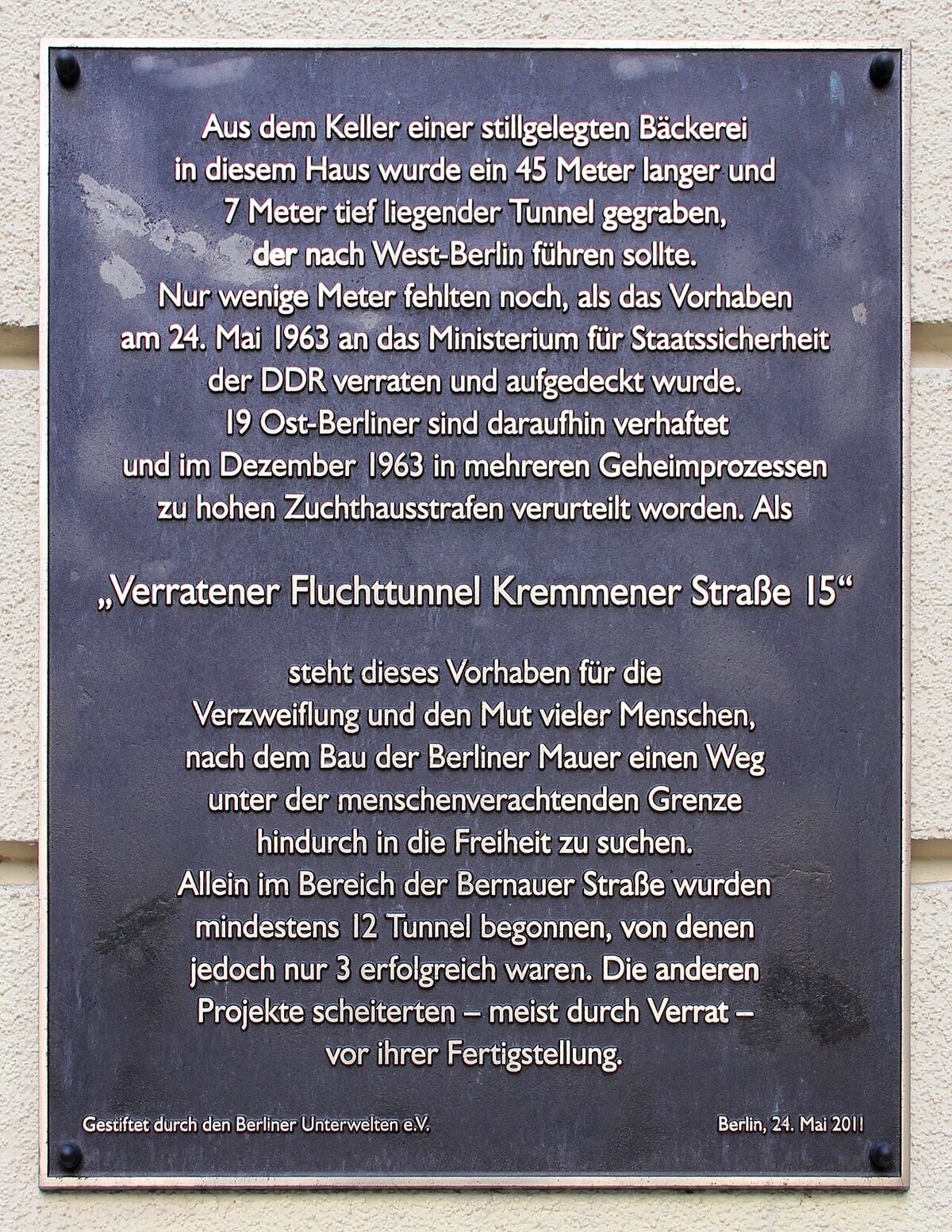
Walking distance from Site 1: Already along Bernauer Strasse
Time needed: 15-20 minutes
As you walk along Bernauer Strasse, you pass the locations of two of the most famous escape tunnels. Tunnel 29 was dug in 1962 from a disused factory, enabling 29 people to crawl to freedom. Tunnel 57, completed in October 1964, was even more ambitious: students from the Free University of West Berlin dug a 145-meter passage through which 57 people escaped over two nights. Information panels along Bernauer Strasse mark the approximate locations and tell the stories of these daring operations.
Site 3: Bornholmer Straße
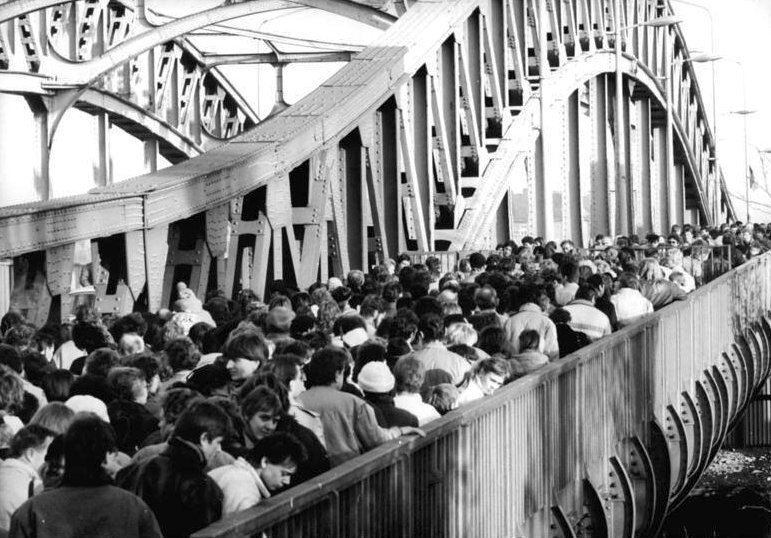
Walking distance from Site 2: 1.5 km (or one S-Bahn stop)
Nearest station: S Bornholmer Strasse
Time needed: 20-30 minutes
Walk or take the S-Bahn one stop north to Bornholmer Straße, where the Wall was first breached on the night of November 9, 1989. An open-air exhibition at the former border crossing tells the story of that historic night through photographs, documents, and audio recordings. Standing here, you can imagine the thousands of East Berliners who surged through this checkpoint into freedom.
Site 4: Tränenpalast (Palace of Tears)
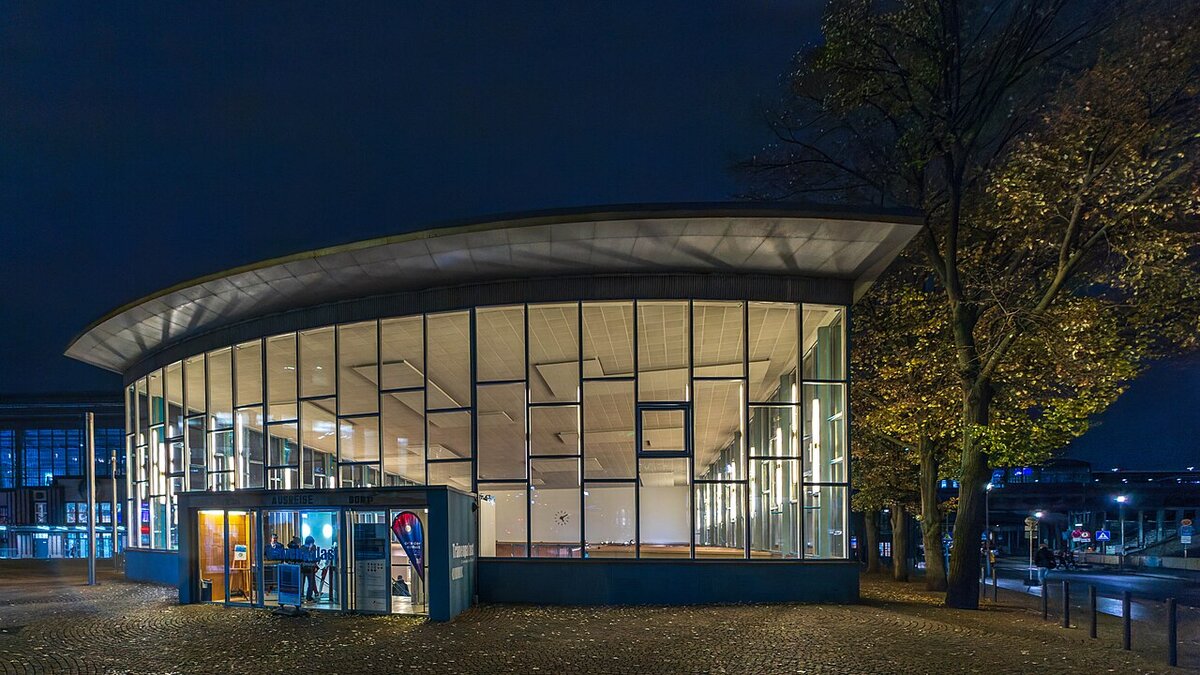
Transit: S-Bahn from Bornholmer Strasse to Friedrichstrasse (2 stops)
Nearest station: S/U Friedrichstrasse
Time needed: 45-60 minutes
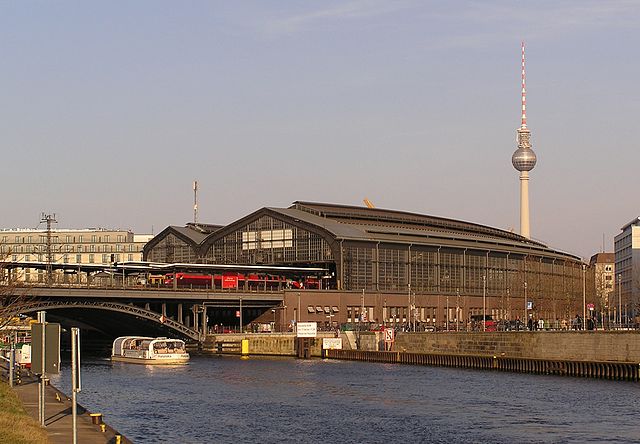
Take the S-Bahn south to Friedrichstrasse station and visit the Tränenpalast, the former border crossing hall directly adjacent to the station. This glass-and-steel pavilion is where West Berliners said goodbye to their Eastern relatives after visits, never sure when they would meet again, hence the name “Palace of Tears.” The free exhibition inside uses original artifacts, including passport control booths and customs declarations, to recreate the oppressive border-crossing experience.
Site 5: Brandenburg Gate
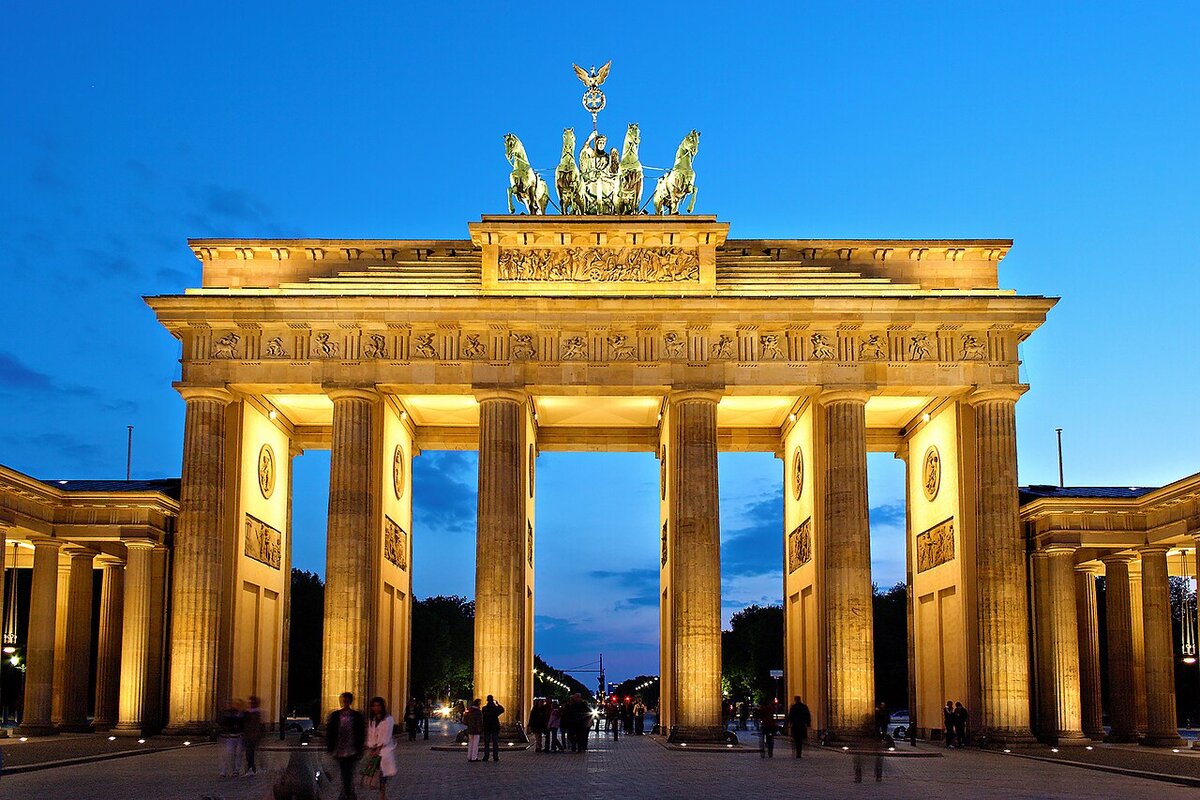
Walking distance from Site 4: 1 km
Time needed: 20-30 minutes
Walk south along Friedrichstrasse, then west on Unter den Linden to the Brandenburg Gate. For 28 years, this iconic landmark stood in the no-man’s-land of the death strip, inaccessible from either side. It was here that Reagan delivered his “Tear down this wall!” speech in 1987, and here that jubilant crowds danced on the Wall on November 9, 1989. Today the double row of cobblestones marking the Wall’s path runs directly in front of the Gate. Look for the information panels on the north side of Pariser Platz.
Site 6: Peter Fechter Memorial
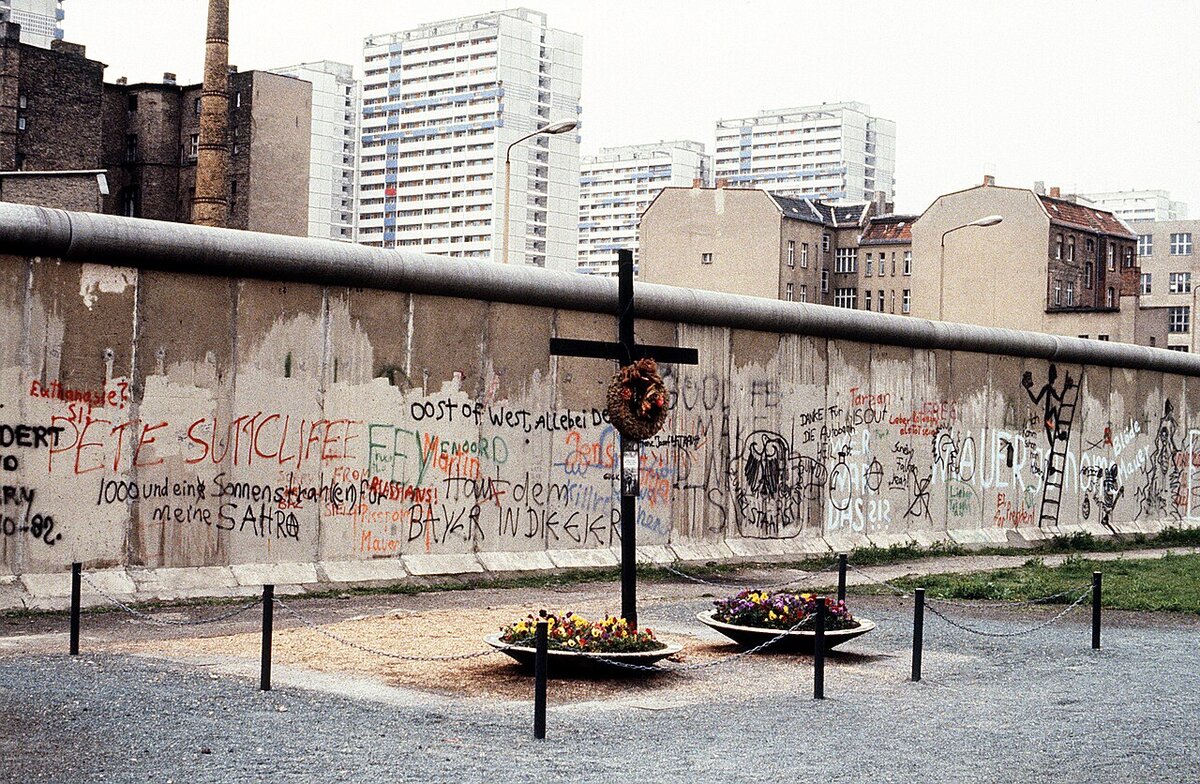
Walking distance from Site 5: 1.5 km (via Potsdamer Platz)
Time needed: 10-15 minutes
Walk south through the Tiergarten edge and past Potsdamer Platz toward Zimmerstrasse. Near the intersection with Charlottenstrasse, you will find the Peter Fechter memorial, a simple cross and plaque marking where the 18-year-old bricklayer was shot on August 17, 1962, and left to bleed to death in the death strip while the world watched. It is one of the Wall’s most sobering sites.
Site 7: Checkpoint Charlie
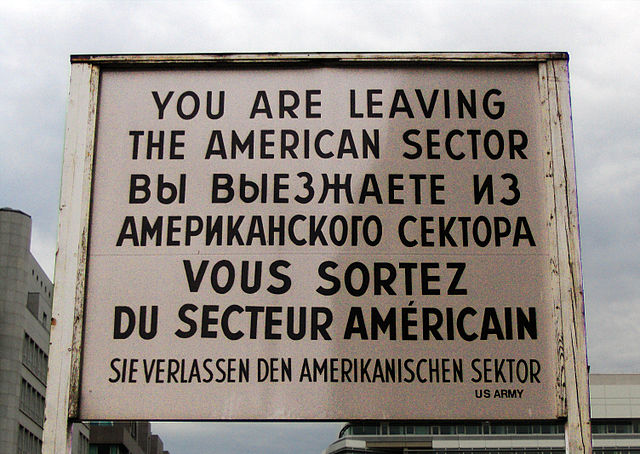
Walking distance from Site 6: 200 meters
Time needed: 30-45 minutes
Continue a short distance east to Checkpoint Charlie, the most famous border crossing between East and West Berlin. The original guardhouse is now in the Allied Museum in Dahlem, but a replica stands at the original location on Friedrichstrasse. The site is inevitably touristy, but the open-air exhibition panels along Zimmerstrasse and Friedrichstrasse provide genuinely informative historical context. The nearby Mauermuseum (Wall Museum, privately run) documents escape attempts in sometimes sensational but compelling detail.
Site 8: Topographie des Terrors
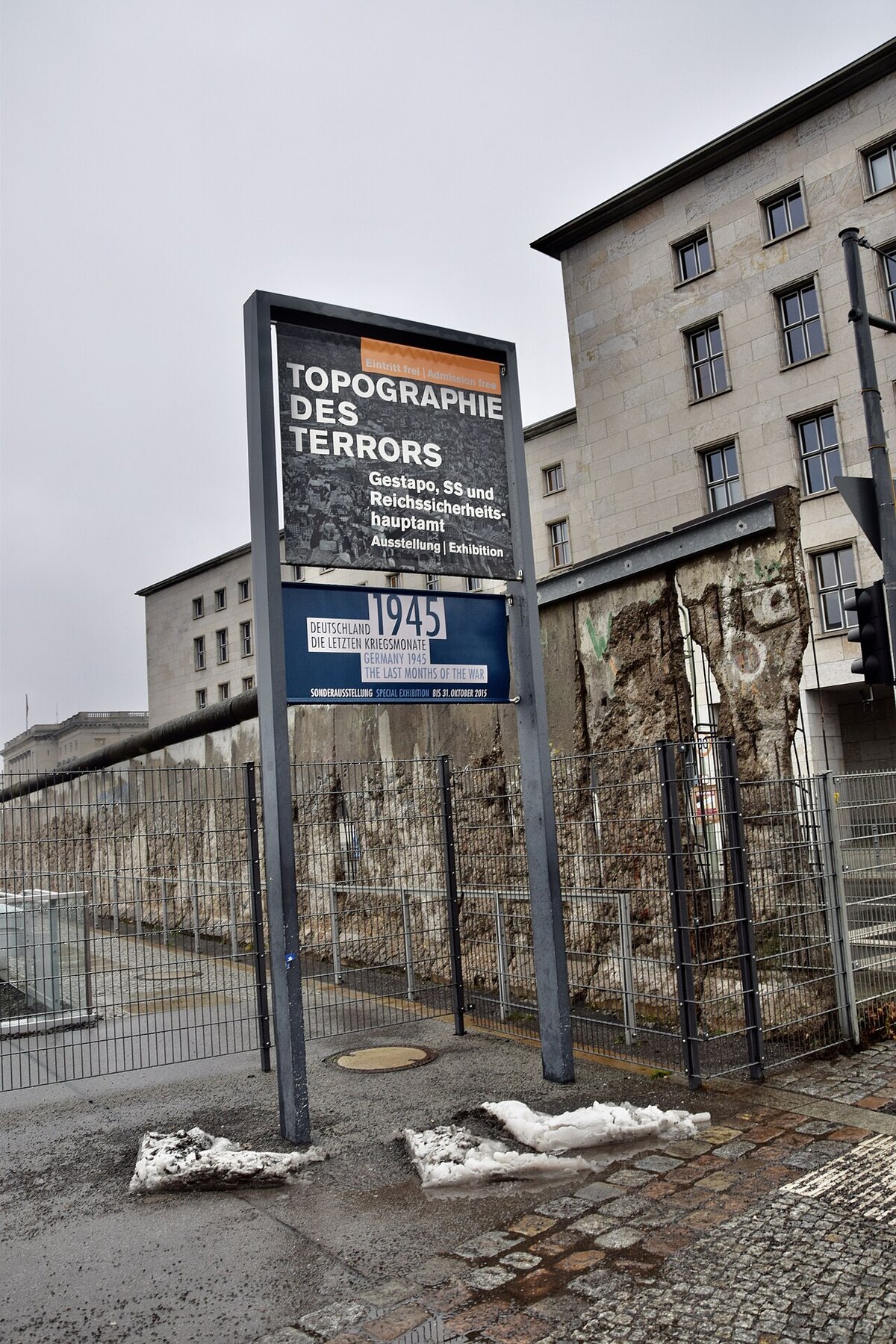
Walking distance from Site 7: 500 meters
Time needed: 60-90 minutes
Walk west along Zimmerstrasse to the Topographie des Terrors, a free exhibition built on the site of the former Gestapo and SS headquarters. While its primary focus is the Nazi terror apparatus, a preserved 200-meter section of the Berlin Wall runs along Niederkirchnerstrasse at the edge of the site. This stretch of Wall still bears the marks of the “wall woodpeckers” who chipped at it after November 1989. The combination of Nazi and Cold War history at a single location makes this one of Berlin’s most powerful historical sites.
Site 9: East Side Gallery
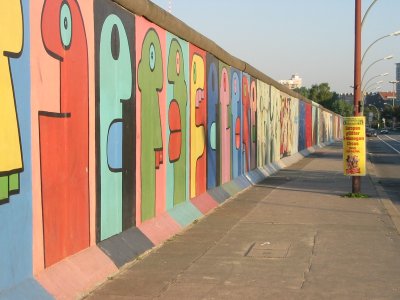
Transit: U-Bahn from Kochstrasse (U6) to Warschauer Strasse (U1, change at Hallesches Tor)
Nearest station: S/U Warschauer Strasse or S Ostbahnhof
Time needed: 45-60 minutes
The East Side Gallery is the longest remaining stretch of the Berlin Wall at 1.3 kilometers, preserved and transformed into the world’s largest open-air gallery. In 1990, over 100 artists from around the world painted murals on the eastern face of the Wall, which had previously been inaccessible. The most famous works include Dmitri Vrubel’s My God, Help Me to Survive This Deadly Love (depicting the fraternal kiss between Brezhnev and Honecker) and Birgit Kinder’s Test the Best (a Trabant car bursting through the Wall). Walk the full length along Mühlenstrasse for the complete experience.
Site 10: Watchtower at Schlesischer Busch
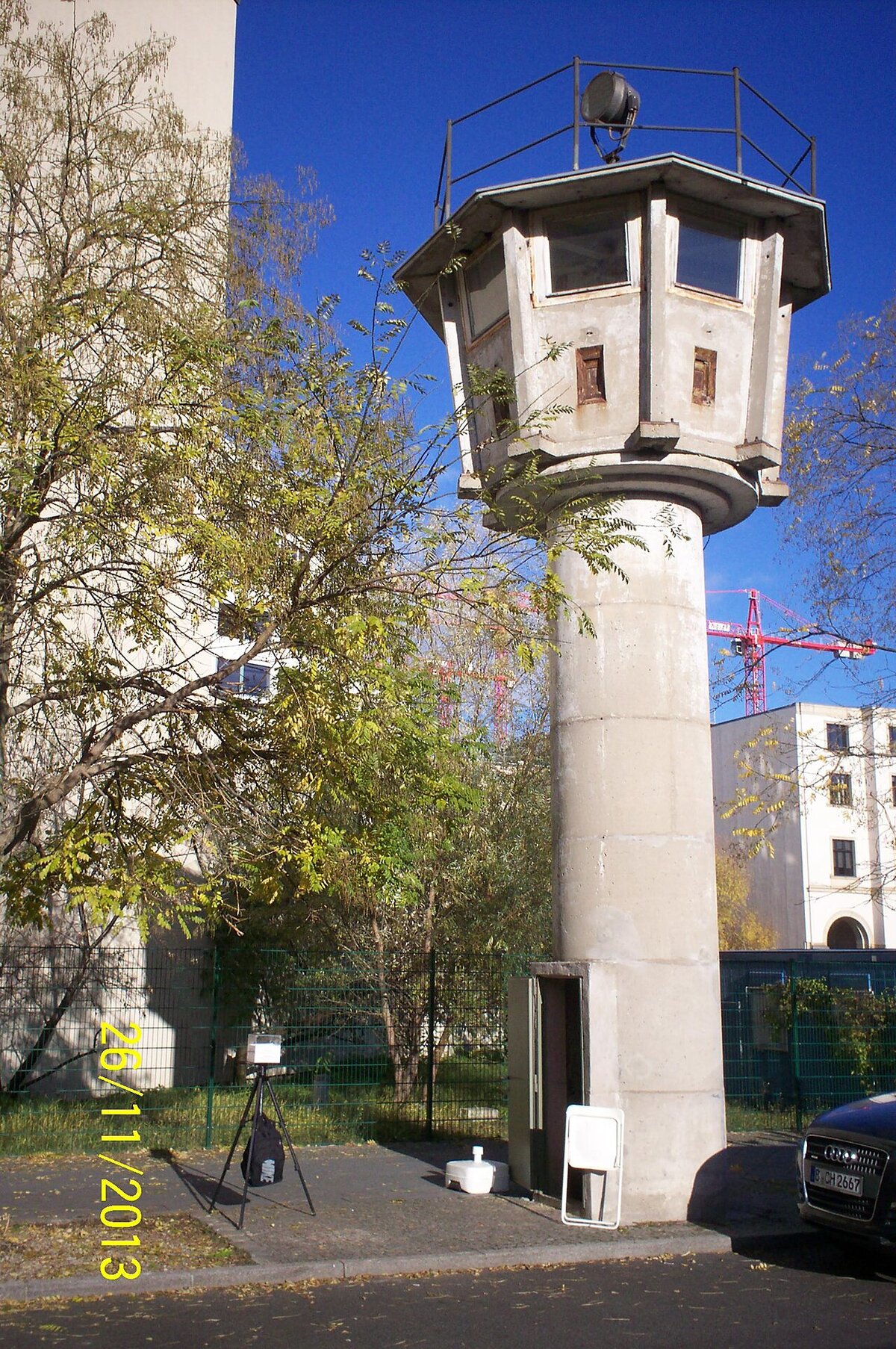
Walking distance from Site 9: 1.5 km south along the Spree
Time needed: 15-20 minutes
End your tour at one of the few surviving watchtowers, a concrete reminder of the surveillance infrastructure that lined the entire border. These BT-11 command towers were staffed around the clock by armed guards with orders to shoot anyone attempting to cross.
Extending Your Tour
If you have a second day, consider visiting three essential indoor sites that lie outside the central walking route:
- Hohenschönhausen Memorial — the former Stasi remand prison in Lichtenberg, where guided tours are led by former inmates (take the M5 tram)
- Stasi Museum — the preserved offices of Stasi chief Erich Mielke at the former Ministry for State Security (U5 to Magdalenenstrasse)
- Glienicker Brücke — the “Bridge of Spies” between Berlin and Potsdam, where captured agents were exchanged during the Cold War (S7 to Potsdam, then bus 316)
For the full list of historical locations, visit our places directory or explore them all on the interactive map.
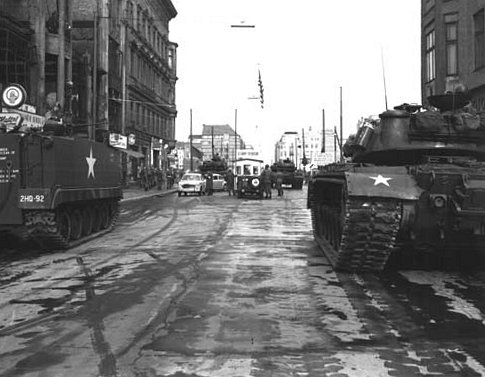
Checkpoint Charlie
East Side Gallery
Bahnhof Friedrichstraße
History of the Berlin Wall: A Complete Guide (1961-1989)
65 Years Ago: US and Soviet Tanks Faced Off at Checkpoint Charlie
The Border Guards of the Berlin Wall: Conscripts, the Order to Shoot, and the Trials That Followed
9 November in Berlin: 37 Years Since the Wall Fell, and What’s On
Gethsemanekirche
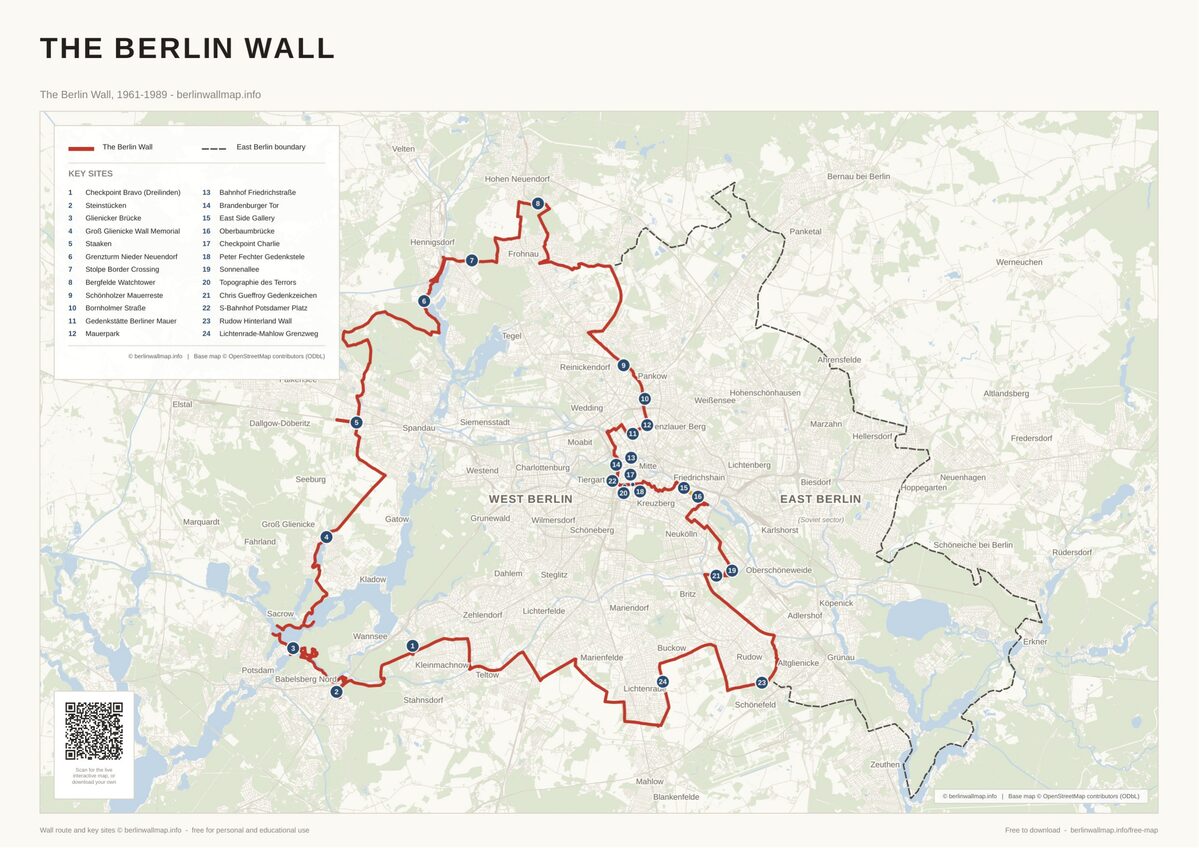
Free map downloads
Free printable PDF maps of the Berlin Wall.
Get the free maps →Explore the Timeline
Journey through Berlin Wall history from 1945 to 1990.
View Timeline →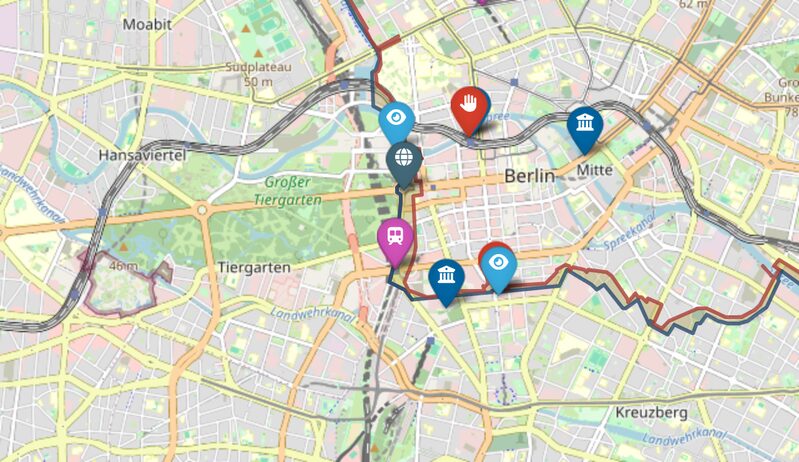
Embed Our Map
Add a free interactive Berlin Wall map to your website or blog.
Get embed code →