
The Fall of the Berlin Wall: How It Happened on November 9, 1989
The Berlin Wall fell on the night of November 9, 1989, when East German border guards, overwhelmed by crowds of citizens demanding passage, opened the checkpoints and allowed free crossing for the first time in 28 years. The event was triggered by a mistaken announcement at a press conference and became the defining moment of the Cold War’s end.
The Pressure Builds: Autumn 1989
The fall of the Wall did not happen in a vacuum. Throughout 1989, the communist regimes of Eastern Europe were buckling under economic stagnation, political rigidity, and growing popular unrest. Mikhail Gorbachev’s policies of glasnost (openness) and perestroika (restructuring) in the Soviet Union had created expectations of reform that the hardline East German leadership under Erich Honecker stubbornly resisted.
In May 1989, Hungary dismantled its border fence with Austria, punching the first hole in the Iron Curtain. Thousands of East Germans traveled to Hungary on “holiday” and crossed into Austria, then continued to West Germany. Others sought refuge in West German embassies in Prague and Warsaw. By September, the exodus had become a flood.
Meanwhile, Monday demonstrations in Leipzig grew from a few hundred protesters in September to over 300,000 by late October. The chant “Wir sind das Volk!” (“We are the people!”) echoed through the streets. On October 18, Honecker was forced to resign and was replaced by Egon Krenz, who promised reforms but failed to stem the tide.
That autumn played out street by street in East Berlin itself – in the churches of Prenzlauer Berg, on Alexanderplatz, and in the police cordons of 7 October. The full story is in The Peaceful Revolution in Berlin.
The Press Conference That Changed History
By early November, the East German government was in crisis. The Politburo drafted new travel regulations intended to ease pressure by allowing citizens to apply for private trips abroad, including to West Germany, through orderly bureaucratic channels. The regulations were supposed to take effect on November 10, with time for border guards to be briefed.
The task of announcing these new rules fell to Günter Schabowski, the party’s spokesman for the Berlin district and a member of the Politburo. Schabowski had not attended the meeting where the regulations were finalized and was handed the announcement shortly before his live televised press conference on the evening of November 9.
At approximately 6:53 PM, Schabowski read the new travel regulations aloud in a somewhat halting manner. Italian journalist Riccardo Ehrman then asked the critical question: “When does this take effect?”
Schabowski shuffled through his papers, searching for an answer that wasn’t clearly stated. After a pause, he said: “Das tritt nach meiner Kenntnis… ist das sofort, unverzüglich.” (“That takes effect, according to my information… immediately, without delay.”)
The room erupted. News agencies flashed the headline around the world: East Germany opens its borders. West German television, watched by millions of East Germans, broadcast the news within minutes. The announcement, intended as a controlled easing of travel restrictions, had been interpreted as the opening of the Wall.
The Night the Wall Opened
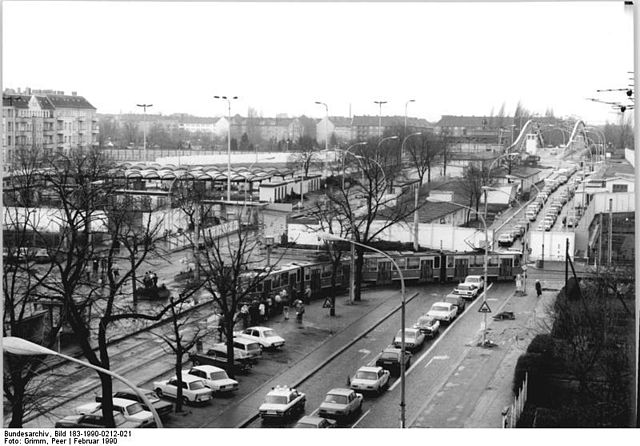
Bornholmer Strasse: The First Crossing
The first and most dramatic confrontation unfolded at the Bornholmer Straße border crossing in the Prenzlauer Berg district. By 9:00 PM, thousands of East Berliners had gathered at the checkpoint, demanding to be let through. They waved identity cards and shouted: “Open the gate!”
The border guards, who had received no instructions about any change in regulations, frantically called their superiors for guidance. Lieutenant Colonel Harald Jäger, the passport control officer in charge, was told to let the most “aggressive” people through, stamping their passports with a mark that would effectively revoke their citizenship. But the crowd only grew.
By 11:30 PM, Jäger made the decision that would define the night. Unable to reach anyone in authority willing to give clear orders, and unwilling to order his men to use force against the crowd, he told his guards to open the barriers. Thousands of people streamed through, many in tears, into the bright lights of West Berlin.
The Other Crossings Follow
News of Bornholmer Straße spread instantly. Within the next two hours, every border crossing in Berlin was overwhelmed and opened. At Checkpoint Charlie, the most famous crossing point between East and West, jubilant crowds from both sides met in the middle. At the Brandenburg Gate, people climbed atop the Wall itself, dancing and embracing in scenes that were broadcast live to a global audience of hundreds of millions.
West Berliners rushed to the crossings to welcome their neighbors. Strangers hugged each other. Bars poured free drinks. Taxi drivers gave free rides. The celebrations continued through the night and into the following days.
The Days After
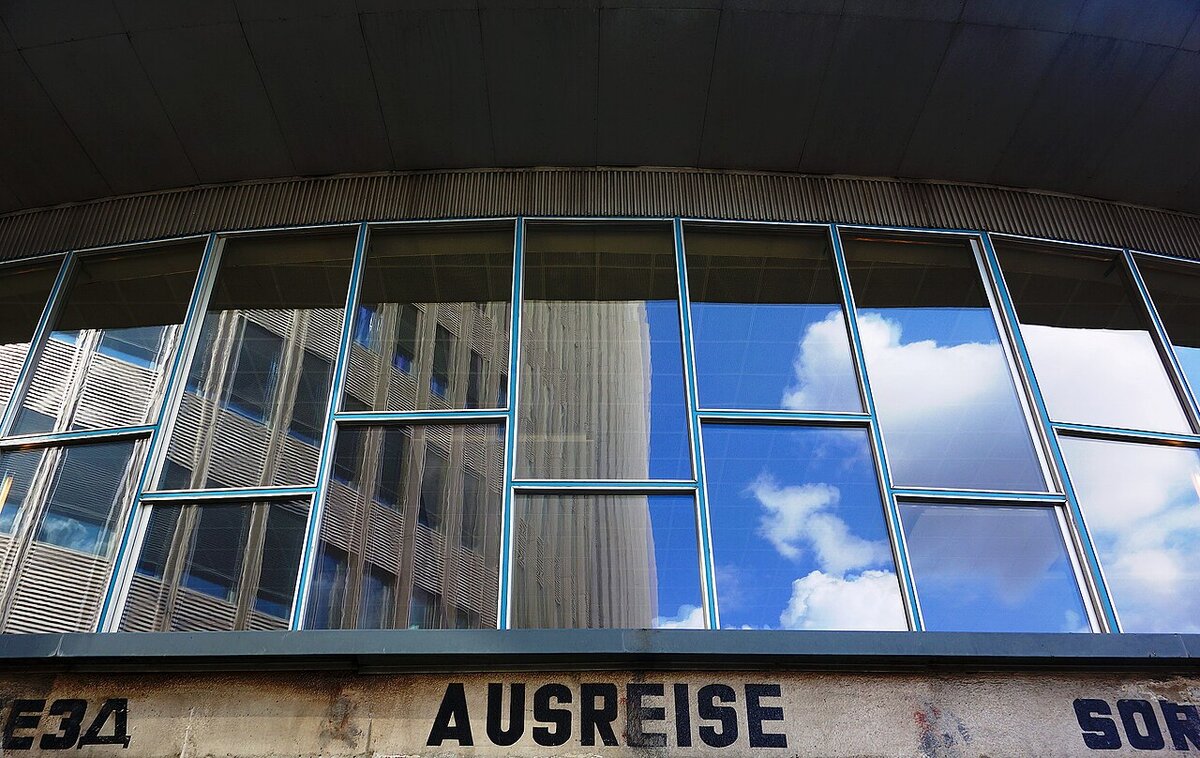
In the days that followed November 9, East Berliners flooded into West Berlin. Many had never seen the other half of their city. They marveled at shop windows, walked the Kurfürstendamm, and collected the 100 Deutsche Mark “welcome money” that West Germany offered to every Eastern visitor.
The Tränenpalast, the “Palace of Tears” that had witnessed so many painful farewells at the Friedrichstrasse station border crossing, now saw scenes of pure joy as families reunited after years or even decades of separation.
“Mauerspechte” (“wall woodpeckers”) arrived with hammers and chisels, chipping away at the concrete for souvenirs. Official demolition began in the summer of 1990. On October 3, 1990, less than a year after the Wall fell, Germany was formally reunified.
Why It Matters
The fall of the Berlin Wall was not the result of a deliberate political decision. It was a cascade of miscommunication, popular pressure, and individual decisions by people like Harald Jäger who chose not to use violence. No shots were fired. No one was killed. A barrier that had caused the deaths of at least 140 people simply ceased to function because ordinary people demanded their freedom, and the system that had imprisoned them lost the will to resist.
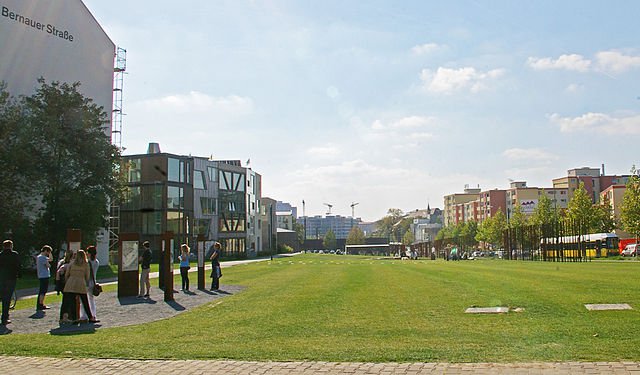
Today, the path of the Wall is marked throughout Berlin by a double row of cobblestones embedded in streets and sidewalks. You can trace this line and visit the key sites of November 9, 1989, on our interactive map. The Berlin Wall Memorial on Bernauer Strasse and the East Side Gallery are essential stops for anyone seeking to understand this pivotal night. For a complete guide to the most important locations, see our listing of historical places.
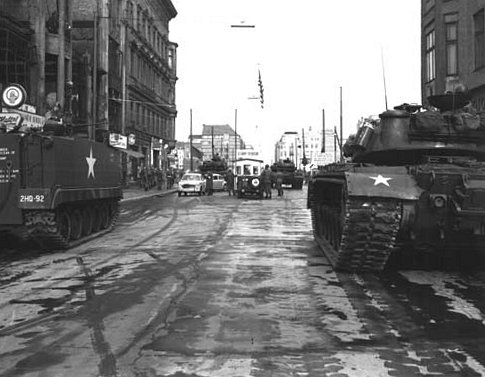
Checkpoint Charlie
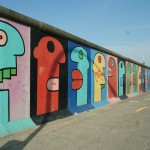
East Side Gallery
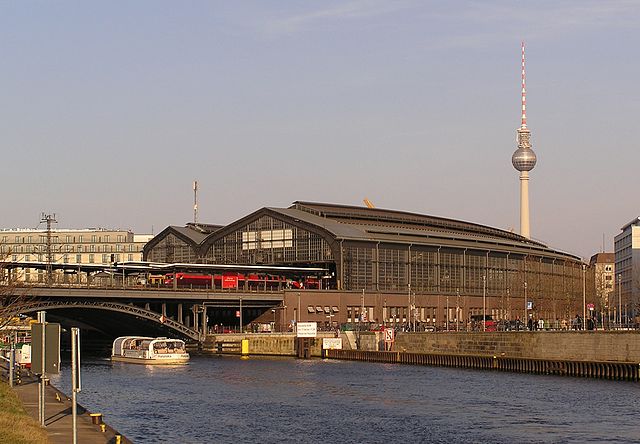
Bahnhof Friedrichstraße
History of the Berlin Wall: A Complete Guide (1961-1989)
65 Years Ago: US and Soviet Tanks Faced Off at Checkpoint Charlie
The Border Guards of the Berlin Wall: Conscripts, the Order to Shoot, and the Trials That Followed
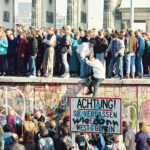
9 November in Berlin: 37 Years Since the Wall Fell, and What’s On
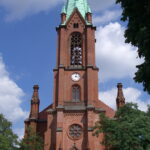
Gethsemanekirche
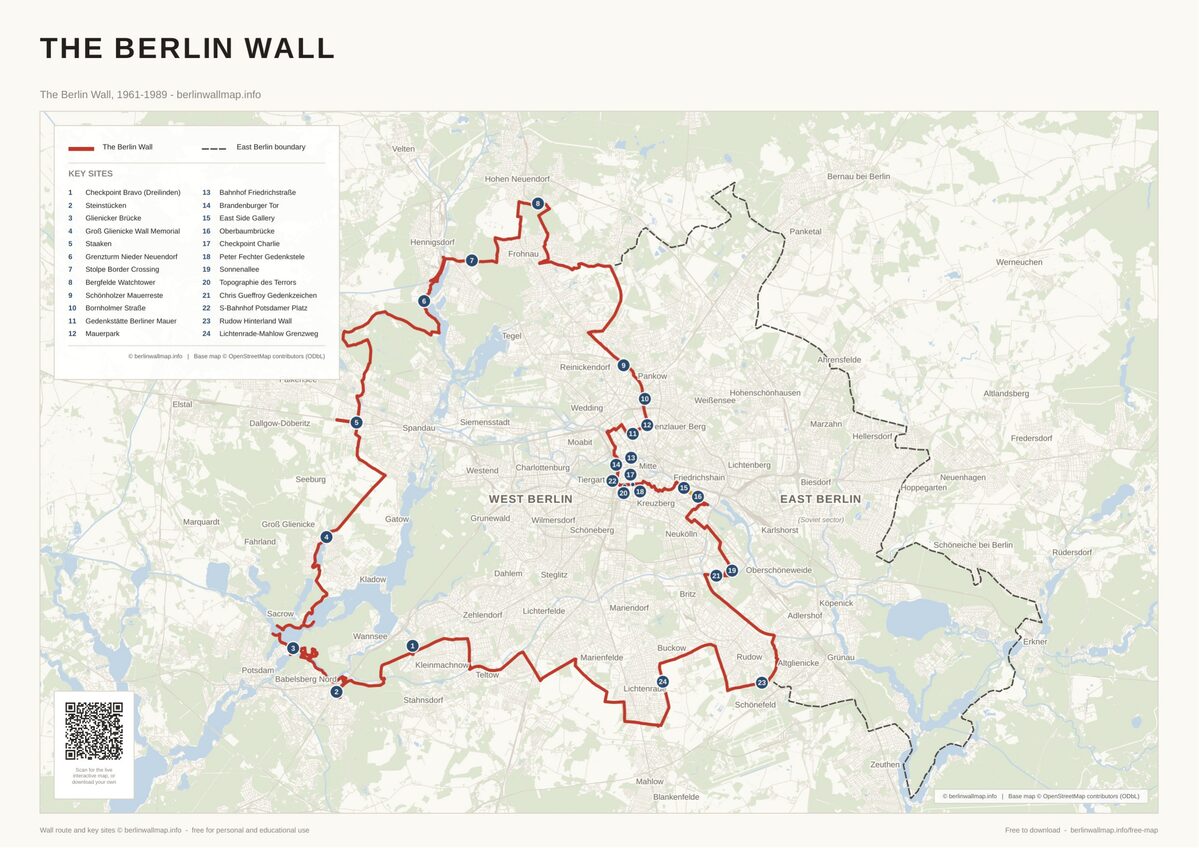
Free map downloads
Free printable PDF maps of the Berlin Wall.
Get the free maps →Explore the Timeline
Journey through Berlin Wall history from 1945 to 1990.
View Timeline →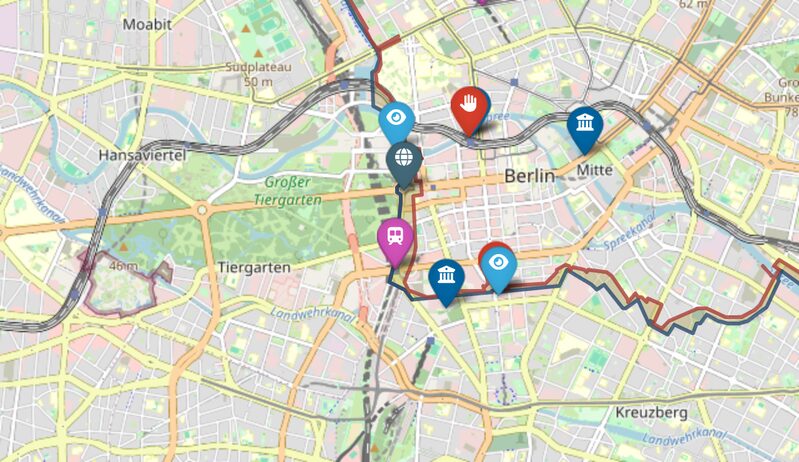
Embed Our Map
Add a free interactive Berlin Wall map to your website or blog.
Get embed code →