The Border Guards of the Berlin Wall: Conscripts, the Order to Shoot, and the Trials That Followed
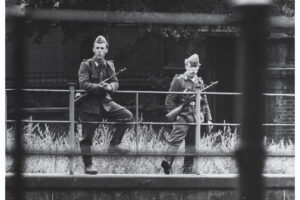
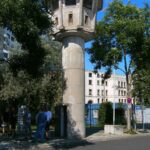
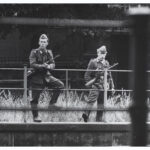
Around 50,000 soldiers of the Grenztruppen guarded the Berlin Wall and inner-German border – most of them teenage conscripts under standing orders to fire. About 2,500 defected, eight died on duty, and after reunification more than a hundred stood trial. Their story from the death strip to the courtroom, and the watchtowers you can visit today.
More...The Peaceful Revolution in Berlin: The Protests That Toppled the Wall
In the autumn of 1989, Berliners filled the churches with candles and marched half a million strong to Alexanderplatz, five days before the Wall came down. This is where the peaceful revolution happened in Berlin, and where you can walk in its footsteps today.
More...The Berlin Spy Tunnel: The CIA, MI6 and Operation Gold
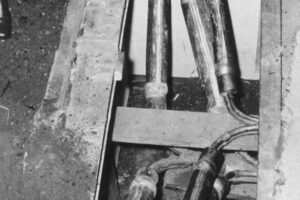
For eleven months the CIA and MI6 listened to the Soviet army from a tunnel under East Berlin. Moscow knew before the digging started. The story, and what to visit.
More...The Islands of West Berlin: Steinstücken, Eiskeller and the Exclaves Stranded in the East
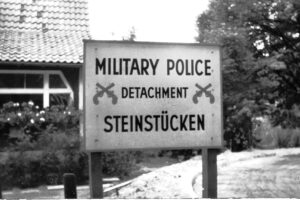
West Berlin was not one island but an archipelago: a dozen detached scraps of territory surrounded by East Germany, from a village held by American helicopter to a meadow nobody could agree was there.
More...The Basic Treaty and Ostpolitik: How Detente Changed Life at the Berlin Wall
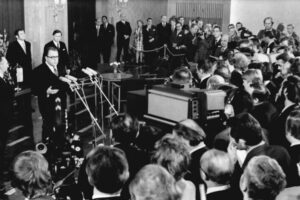
In 1972 West Germany finally recognised the state that built the Berlin Wall. The Basic Treaty did not remove one block of concrete, but it opened the border to millions of visitors while the Wall itself grew deadlier.
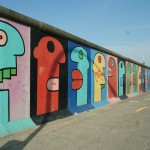
More...East Side Gallery: Berlin Wall Murals & Visitor Guide
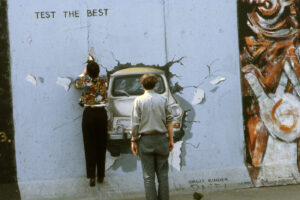
The East Side Gallery is a 1.3 km stretch of the Berlin Wall painted by 118 artists from 21 countries in 1990 – the world’s longest open-air gallery. The story behind its most famous murals, how it was nearly demolished, and how to visit it today.
More...Khrushchev’s Berlin Ultimatum: The Crisis That Built the Wall
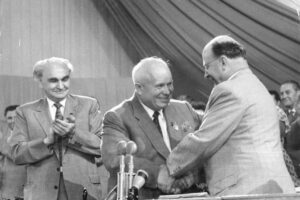
The Berlin Wall did not appear out of nowhere. It was the last move in a four-year crisis that began on 27 November 1958, when Nikita Khrushchev gave the West six months to get out of Berlin – and which ended with American and Soviet tanks facing each other, guns loaded, at Checkpoint Charlie.
More...The 1953 East German Uprising: June 17 and the Road to the Wall
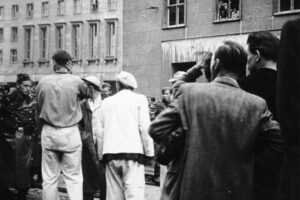
Eight years before the Berlin Wall, East German workers rose against their own government. On 17 June 1953 a strike on Stalinallee became a national revolt of a million people – and Soviet tanks crushed it in an afternoon. The story of June 17, why it failed, and where to find it in Berlin today.
More...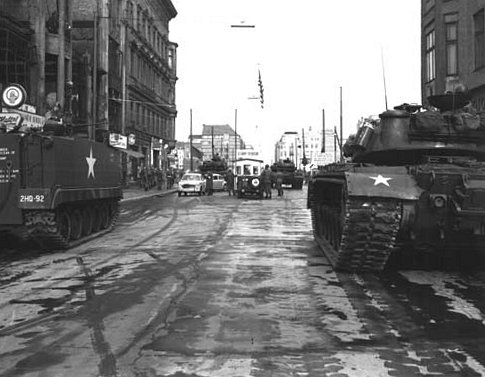
Checkpoint Charlie
East Side Gallery
Bahnhof Friedrichstraße
History of the Berlin Wall: A Complete Guide (1961-1989)
65 Years Ago: US and Soviet Tanks Faced Off at Checkpoint Charlie
The Border Guards of the Berlin Wall: Conscripts, the Order to Shoot, and the Trials That Followed
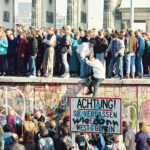
9 November in Berlin: 37 Years Since the Wall Fell, and What’s On
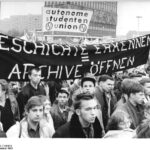
Alexanderplatz Demonstration
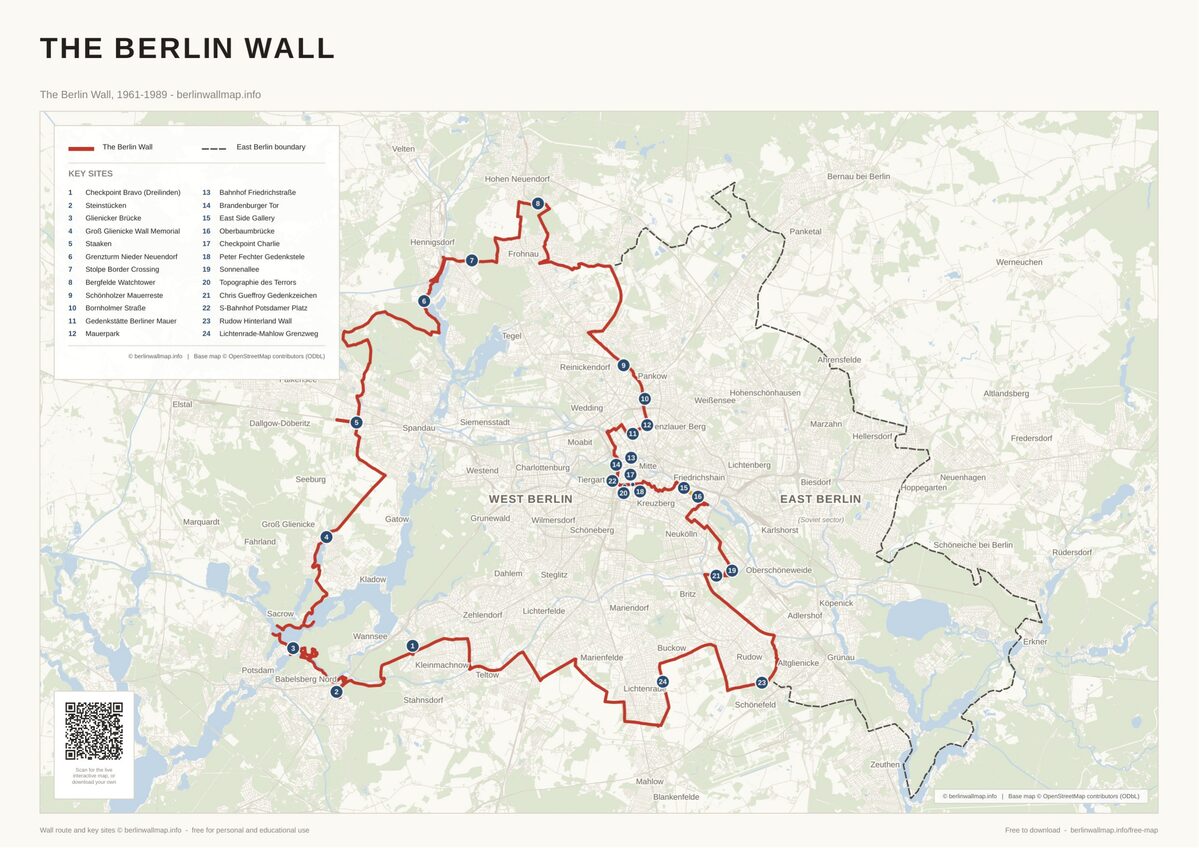
Free map downloads
Free printable PDF maps of the Berlin Wall.
Get the free maps →Explore the Timeline
Journey through Berlin Wall history from 1945 to 1990.
View Timeline →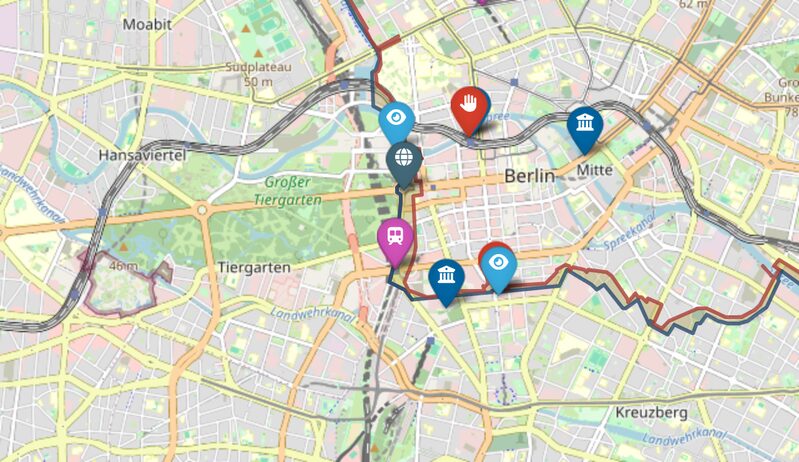
Embed Our Map
Add a free interactive Berlin Wall map to your website or blog.
Get embed code →