The Tunnel
The Tunnel (2001) is a German television film that dramatizes the true story of a group of West Berliners who dug a tunnel under the Berlin Wall in 1962 to help friends and family escape from East Berlin.
| Year | 2001 |
|---|---|
| Director | Roland Suso Richter |
| Genre | Drama |
| Language | German |
| IMDb | |
| Locations |
Tunnel 29 |
Plot
Based on real events, the film follows champion swimmer Harry Melchior, who has escaped to the West but left loved ones behind. Together with a group of fellow escapees and West Berlin students, he begins digging a tunnel from a disused bakery on Bernauer Strasse to a building on the eastern side. Over months of grueling work, the tunnelers face flooding, cave-ins, betrayal by informants, and the constant threat of Stasi discovery. The tension builds as they race to complete the passage before their operation is compromised.
Berlin Wall Connection
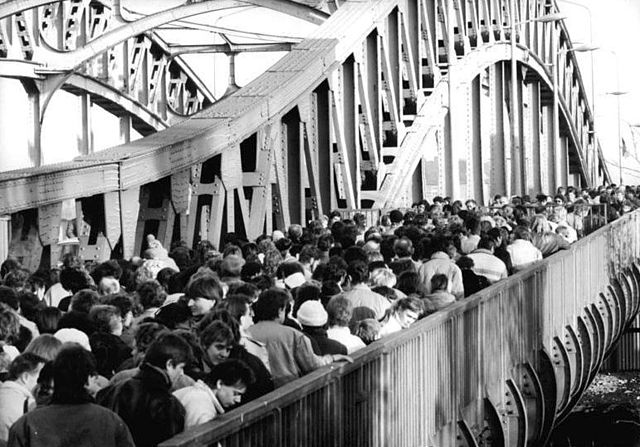
The film depicts one of the most famous escape attempts in Berlin Wall history. The real Tunnel 29, completed in September 1962, ran 120 meters from Bernauer Strasse 78 in the West to Schönholzer Strasse 7 in the East. Twenty-nine people crawled through the narrow passage to freedom over two nights. The tunnel’s story is documented at the Berlin Wall Memorial on Bernauer Strasse, where the escape routes and tunnel sites are marked along the former death strip.
Filming Locations
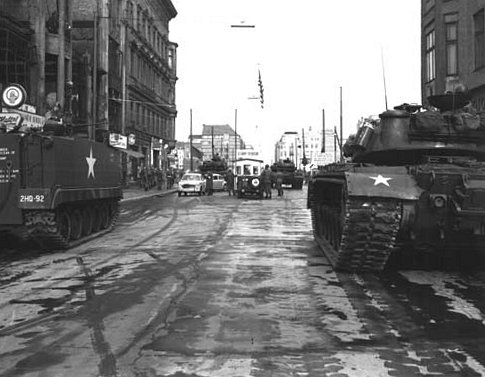
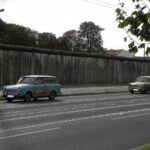
The production filmed in Berlin, recreating the claustrophobic conditions of tunnel construction and the divided cityscape of early 1960s Berlin. The Bernauer Strasse area, where the real tunnel existed, provided authentic backdrops. Period vehicles, uniforms, and street furniture were used to recreate the atmosphere of a city freshly divided by concrete and barbed wire.
Cultural Impact
The Tunnel was one of the most-watched German television productions of its year, drawing over 11 million viewers. It brought the dramatic tunnel escape stories of the early Wall years to a new generation. The film’s focus on ordinary people risking everything for freedom resonated with audiences and complemented the historical documentation available at the Bernauer Strasse memorial. It remains one of the best dramatizations of the ingenuity and courage shown by those who refused to accept the Wall as permanent.

Free map downloads
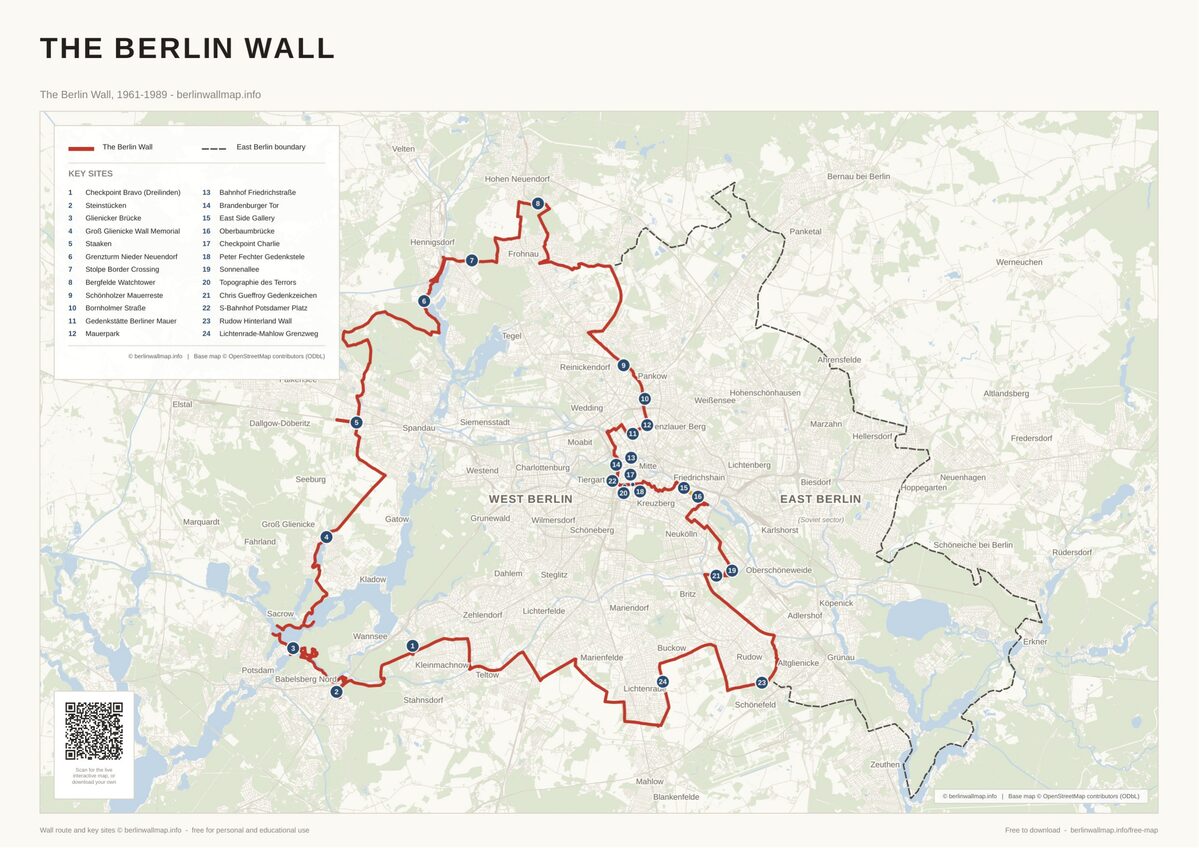
Free printable PDF maps of the Berlin Wall.
Get the free maps →Explore the Timeline
Journey through Berlin Wall history from 1945 to 1990.
View Timeline →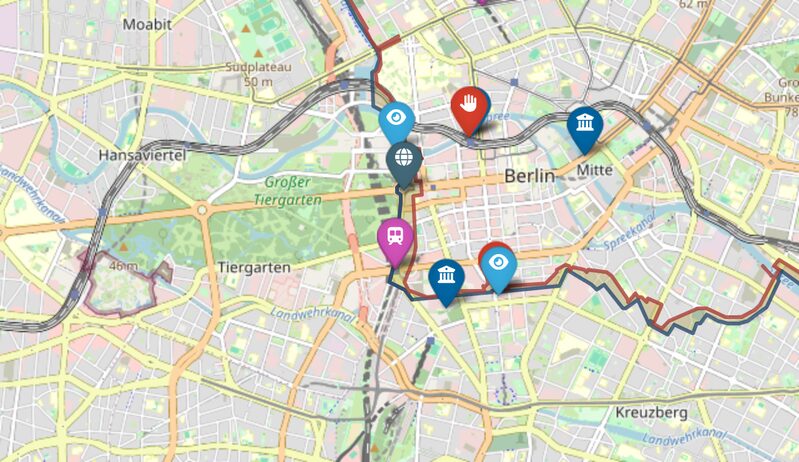
Embed Our Map
Add a free interactive Berlin Wall map to your website or blog.
Get embed code →