Berlin Wall Sites to Visit — Inner City
Bethke Brothers Escape
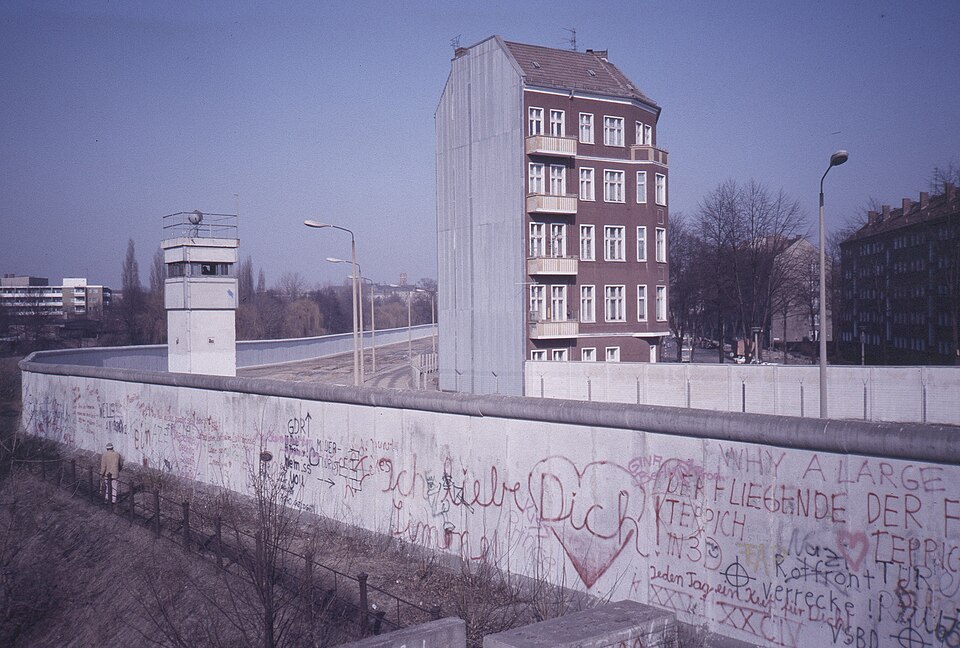
Site of two of the most daring escapes in Berlin Wall history. In 1983, Holger Bethke fired an arrow trailing a nylon line over the Wall near Treptow Park, pulled a steel cable across, and zipped over the death strip on a homemade wooden pulley. In 1989, his brothers flew two ultralight aircraft into Treptower […]
More...Bornholmer Straße
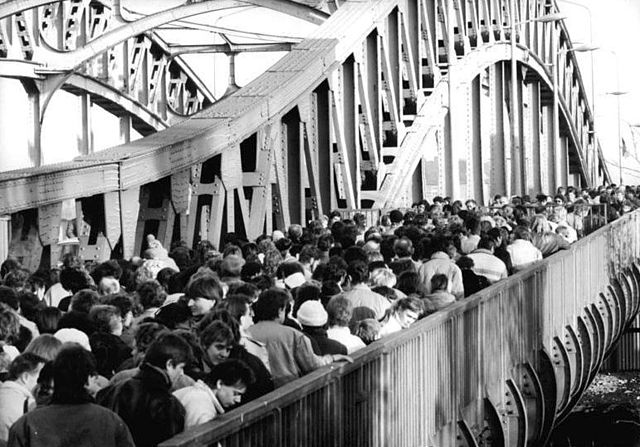
The northmost checkpoint within the city stretched from Bösebrücke bridge to Malmöer Straße. This border crossing was the first to be breached after the fall of the wall. It was opened by the border guards after crowds amassed on either side, and they had no choice but to open the border. Nearby: A 200m section […]
More...Chris Gueffroy Gedenkzeichen
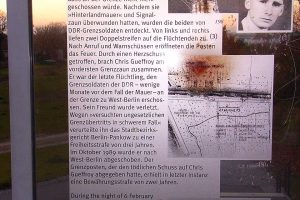
A simple cross and information panel mark the spot at the Britzer Zweigkanal where 20-year-old Chris Gueffroy was shot on 5 February 1989 – the last person killed by gunfire while trying to cross the Berlin Wall. His death, just nine months before the wall fell, provoked international outrage and became a symbol of the […]
More...East Side Gallery
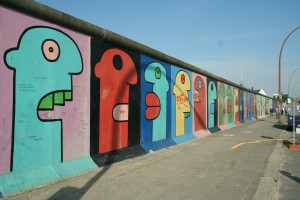
The longest surviving stretch of the Berlin Wall, this 1.3km open-air gallery along the Spree was painted by 118 artists from 21 countries in 1990. Iconic murals include Dmitri Vrubel’s “My God, Help Me to Survive This Deadly Love” depicting the Brezhnev-Honecker kiss, and Birgit Kinder’s Trabant breaking through the wall. Restored in 2009, it […]
More...Flughafen Tegel
The Berlin Airlift’s great construction feat: Tegel airport was built from nothing in around 90 days by 19,000 Berliners – more than 40 per cent of them women – working around the clock in the French sector. Its 2,428-metre runway was the longest in Europe when the first aircraft landed in November 1948. When two Soviet-controlled radio masts obstructed the approach path, the French commandant Jean Ganeval had them dynamited. Tegel went on to become West Berlin’s main airport, with its iconic hexagonal terminal, until it closed in 2020; the site is now being redeveloped as a technology and residential quarter.
More...Flughafen Tempelhof
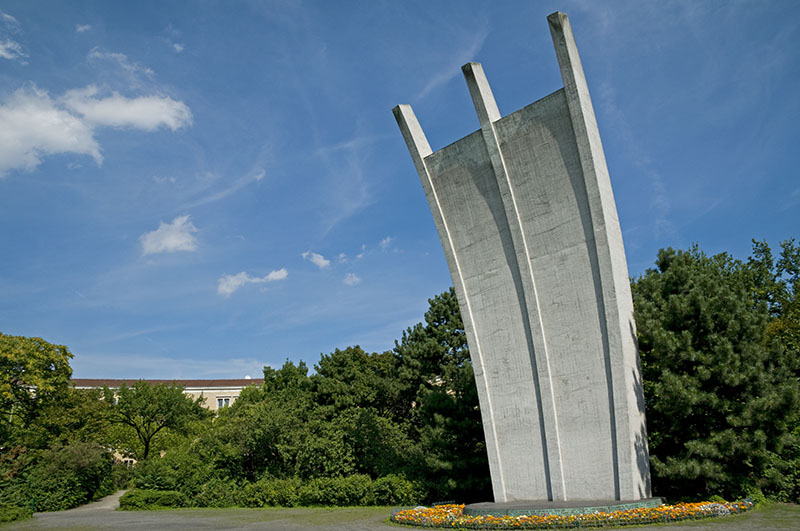
The airport where the Berlin Airlift (1948-1949) broke the Soviet blockade of West Berlin, with Allied planes landing every 90 seconds to supply the city. American pilot Gail Halvorsen became the “Candy Bomber” by dropping sweets for children. The Airlift Memorial (“Hungerkralle”) stands at the entrance. Now a public park, the former airfield is used […]
More...Führungsstelle Schlesischer Busch
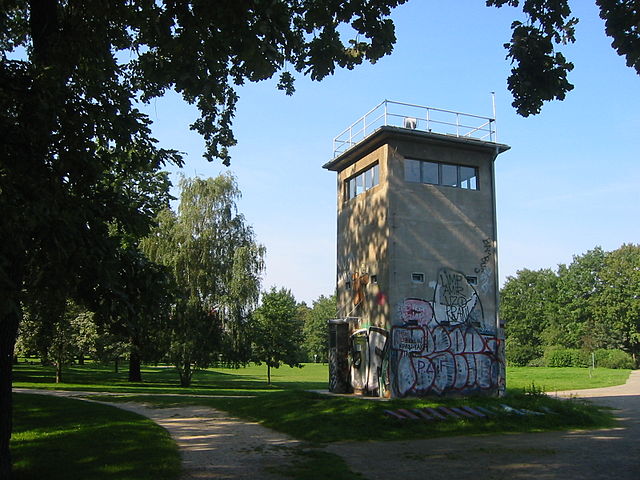
In Schlesischer park, a former four storey watchtower still stands. It was a command tower from which 18 other watch towers were supervised. The nearby border security was also supervised from here.
More...Gedenkstätte Berlin-Hohenschönhausen
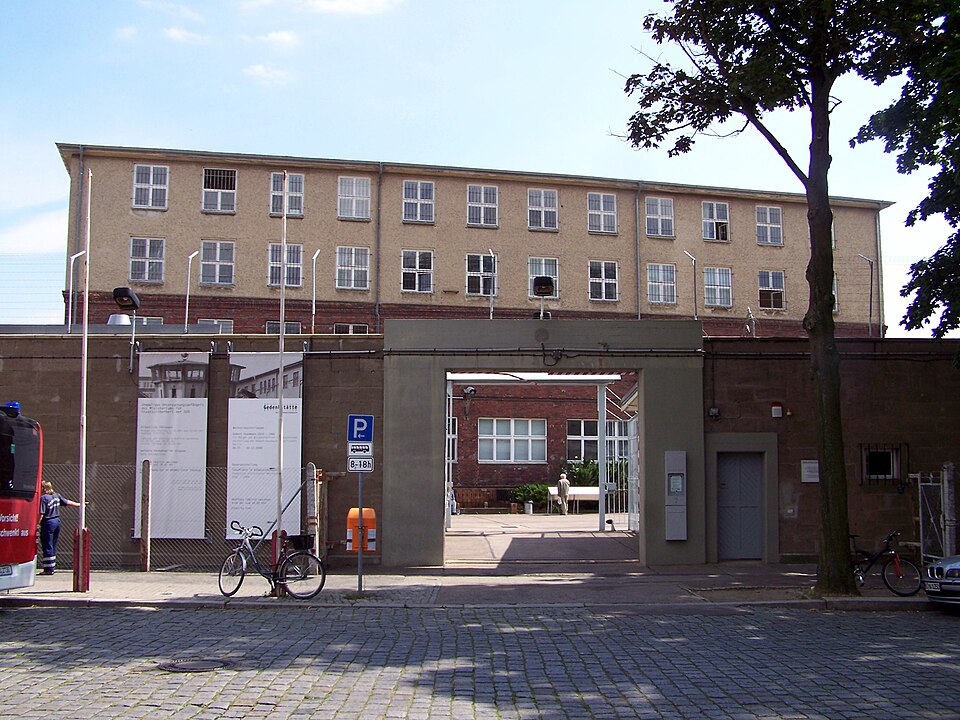
The former central remand prison of the East German Ministry for State Security (Stasi), where political prisoners were interrogated and detained under brutal conditions. Tours are often led by former inmates who describe their experiences of isolation cells, sleep deprivation, and psychological torture. A deeply affecting memorial to the victims of political repression.
More...Gethsemanekirche
This Prenzlauer Berg church became the centre of Berlin’s peaceful revolution in autumn 1989. From 2 October, opposition groups held a round-the-clock vigil here, with a contact telephone relaying arrest reports to Western media. On 7 October, police and Stasi units beat and arrested hundreds of demonstrators around the church in the last mass use of force against protesters in Berlin. Today a memorial plaque, Karl Biedermann’s relief “Resistance” and Ernst Barlach’s bronze “Geistkämpfer” (Spirit Fighter) commemorate the autumn of 1989. The Blessing Christ statue outside the west portal was rescued from the demolished Versöhnungskirche that once stood on the death strip.
More...Heidelberger Straße Tunnels
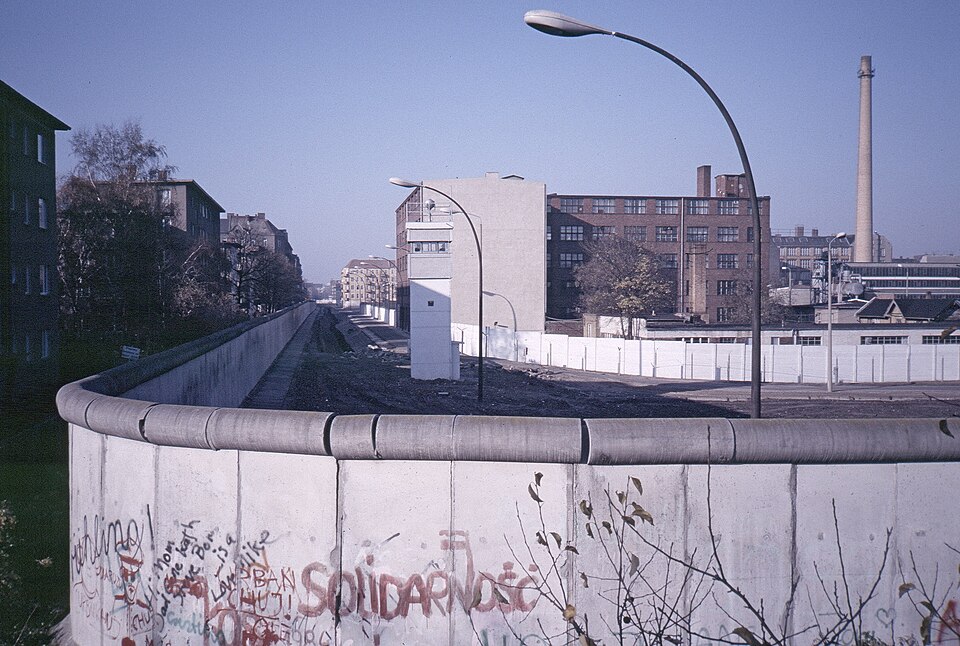
Known as the “Straße der Tränen” (Street of Tears), Heidelberger Straße was split down the middle by the Berlin Wall, with the western pavement in Neukölln and the eastern side in Treptow. Multiple escape tunnels were dug here in 1962, helping over 100 people reach the West. Escape helper Heinz Jercha was shot and killed […]
More...Kiefholzstraße Tunnel
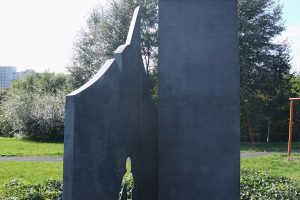
In the early 1960s, several escape tunnels were dug along the Neukölln-Treptow border near Kiefholzstraße, where favourable soil conditions and the configuration of the border aided tunnel construction. An estimated 35 to 59 people escaped through one tunnel here before a Stasi informant betrayed the route, leading to the arrest of 89 people.
More...Oberbaumbrücke
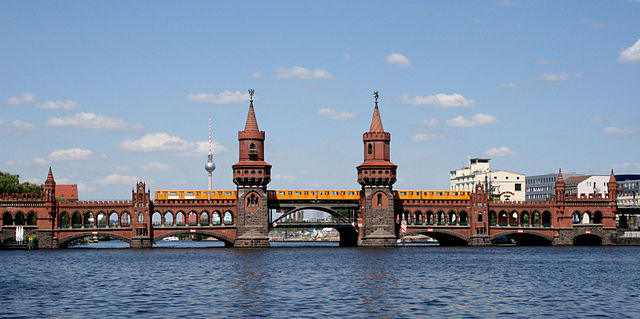
Crossing the River Spree, this beautiful double-decker bridge is well-known Berlin landmark. It became a pedestrian border-crossing for West Berliners. The entire width of the river here was in East Berlin, which meant that West Berliners could not intervene to save the life of a 5 boy who fell into the water and drowned. Nearby: […]
More...Rathaus Schöneberg
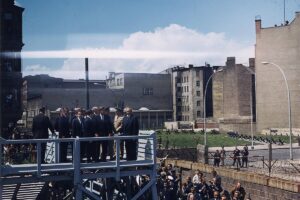
Schöneberg Town Hall served as West Berlin’s city hall from 1949 to 1991, after the historic Rotes Rathaus fell within the Soviet sector. It is best known as the site of President Kennedy’s famous “Ich bin ein Berliner” speech on 26 June 1963, delivered to a crowd of over 120,000 on the square now named John-F.-Kennedy-Platz. The tower houses a replica of the American Liberty Bell, donated by 16 million Americans in 1950 and rung daily at noon. Today the building serves as the Tempelhof-Schöneberg district hall.
More...S-Bahnhof Bornholmer Straße
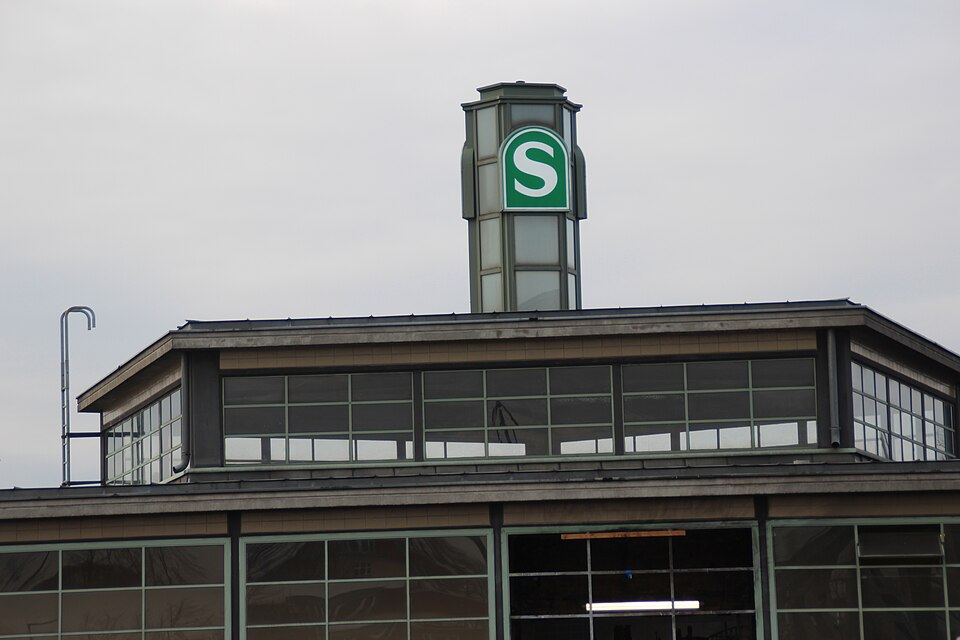
The only above-ground ghost station. West and East S-Bahn tracks ran parallel through the station but were separated by a tall fence. Western trains did not stop here. Located next to the Bornholmer Straße road crossing where the Wall was first breached on the night of 9 November 1989.
More...Schönholzer Mauerreste
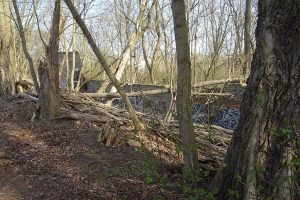
The Schönholzer Mauerreste is an 80-metre triangular section of early-era Berlin Wall, built from World War II rubble in the early 1960s. Concealed and forgotten for 30 years, it was rediscovered in 1999 and officially recognized as a heritage site in 2018.
More...Sonnenallee
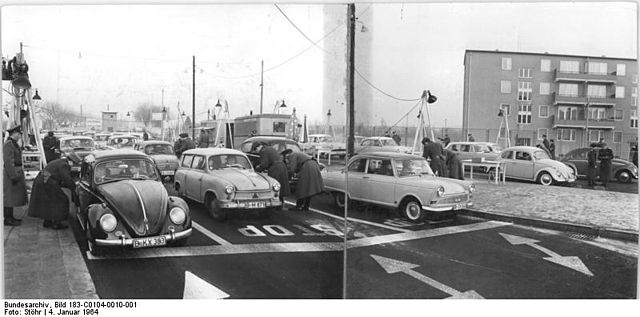
This was one of the quieter border crossings. It became better known after the 1999 comedy movie with the same name. Today it is marked with a double line of cobble stones, and a Berlin History Mile information board. Nearby: Memorial plaque for the fall of the Wall in 1989, Berlin Wall History Mile, Memorial […]
More...Stasi Museum
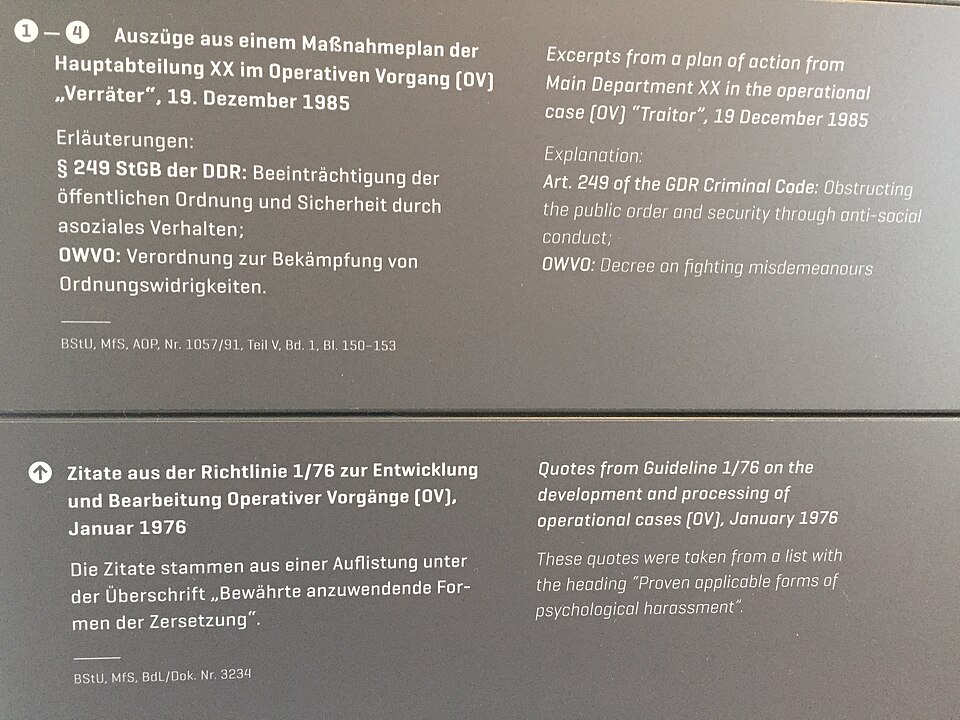
Located in the former headquarters of the Ministry for State Security in Lichtenberg, this museum preserves the office of Stasi chief Erich Mielke exactly as it was. Exhibits document the vast surveillance apparatus that monitored East German citizens, including mail interception equipment, hidden cameras, and the infamous smell samples used to track dissidents.
More...Teufelsberg
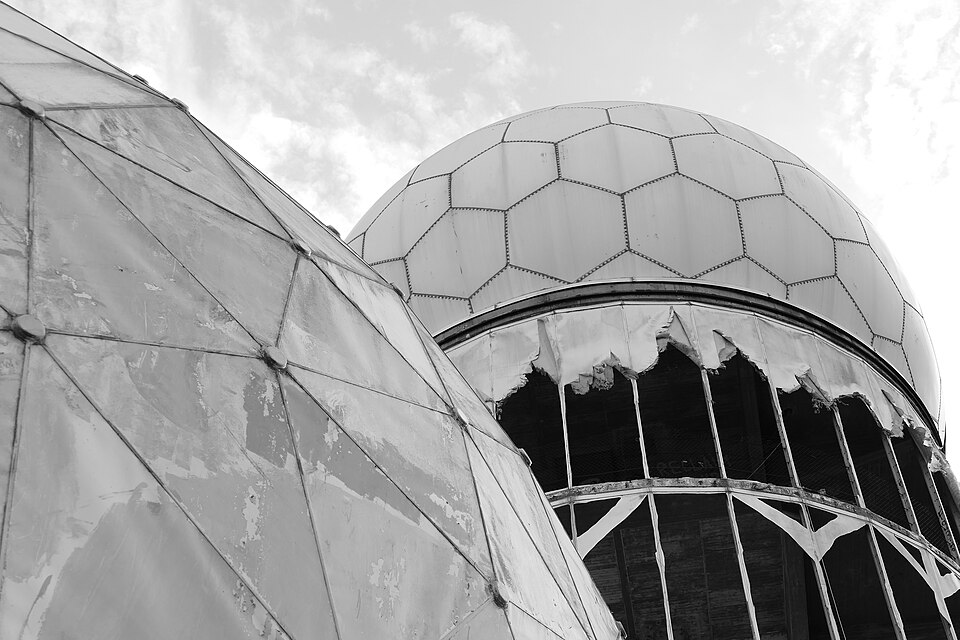
An artificial hill built from 26 million cubic metres of World War II rubble in the Grunewald forest. The US National Security Agency built a listening station on its summit to intercept Eastern Bloc communications during the Cold War. The abandoned geodesic radomes are now a street art destination and offer panoramic views of Berlin.
More...Wollankstraße Tunnel
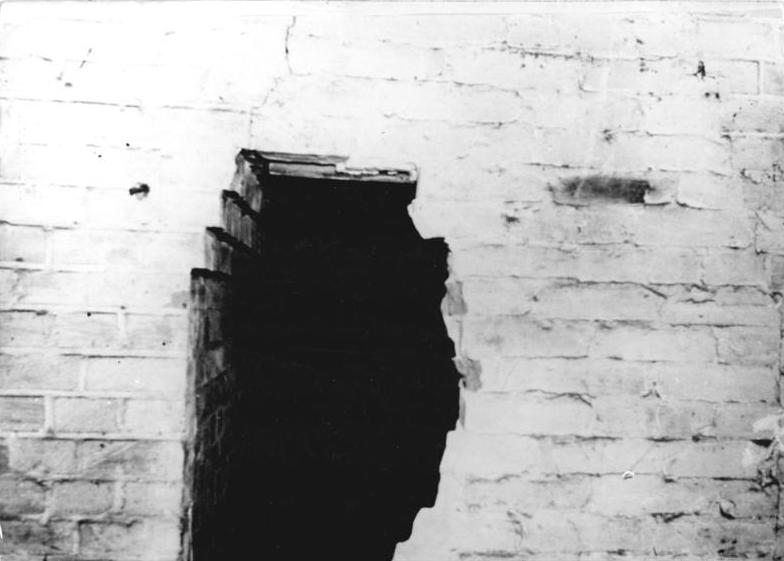
In January 1962, a group of students led by brothers Boris and Eduard Franzke began digging a tunnel beneath the S-Bahnhof Wollankstraße, aiming to reach Schulzestraße in East Berlin. After three weeks and approximately 30 metres of digging, the tunnel collapsed under the station platform on 26 January 1962, revealing the escape attempt before anyone […]
More...
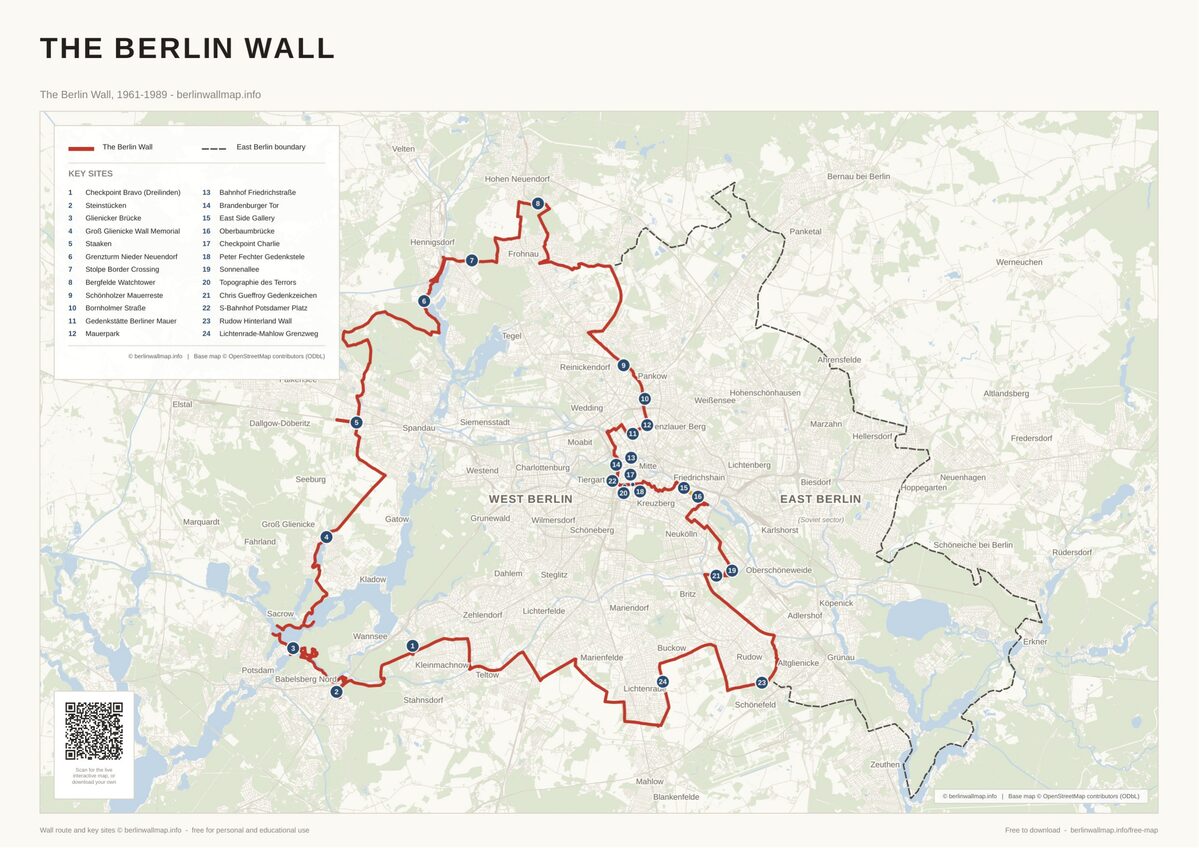
Free map downloads
Free printable PDF maps of the Berlin Wall.
Get the free maps →Explore the Timeline
Journey through Berlin Wall history from 1945 to 1990.
View Timeline →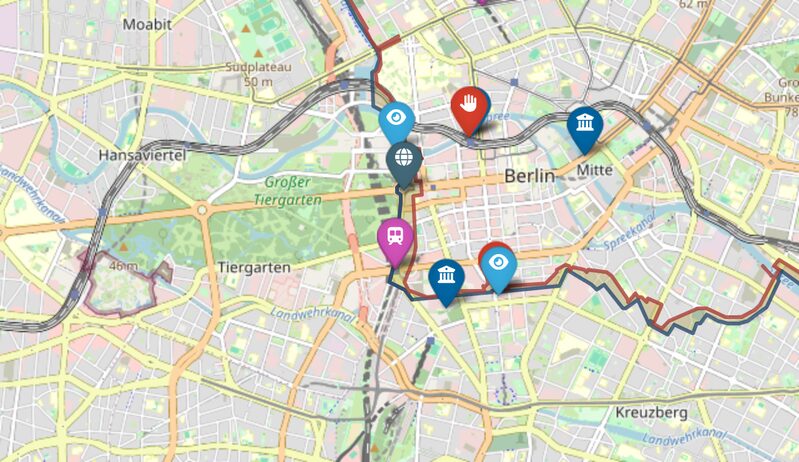
Embed Our Map
Add a free interactive Berlin Wall map to your website or blog.
Get embed code →