Flughafen Tegel
The Berlin Airlift’s great construction feat: Tegel airport was built from nothing in around 90 days by 19,000 Berliners — more than 40 per cent of them women — working around the clock in the French sector. Its 2,428-metre runway was the longest in Europe when the first aircraft landed in November 1948. When two Soviet-controlled radio masts obstructed the approach path, the French commandant Jean Ganeval had them dynamited. Tegel went on to become West Berlin’s main airport, with its iconic hexagonal terminal, until it closed in 2020; the site is now being redeveloped as a technology and residential quarter.
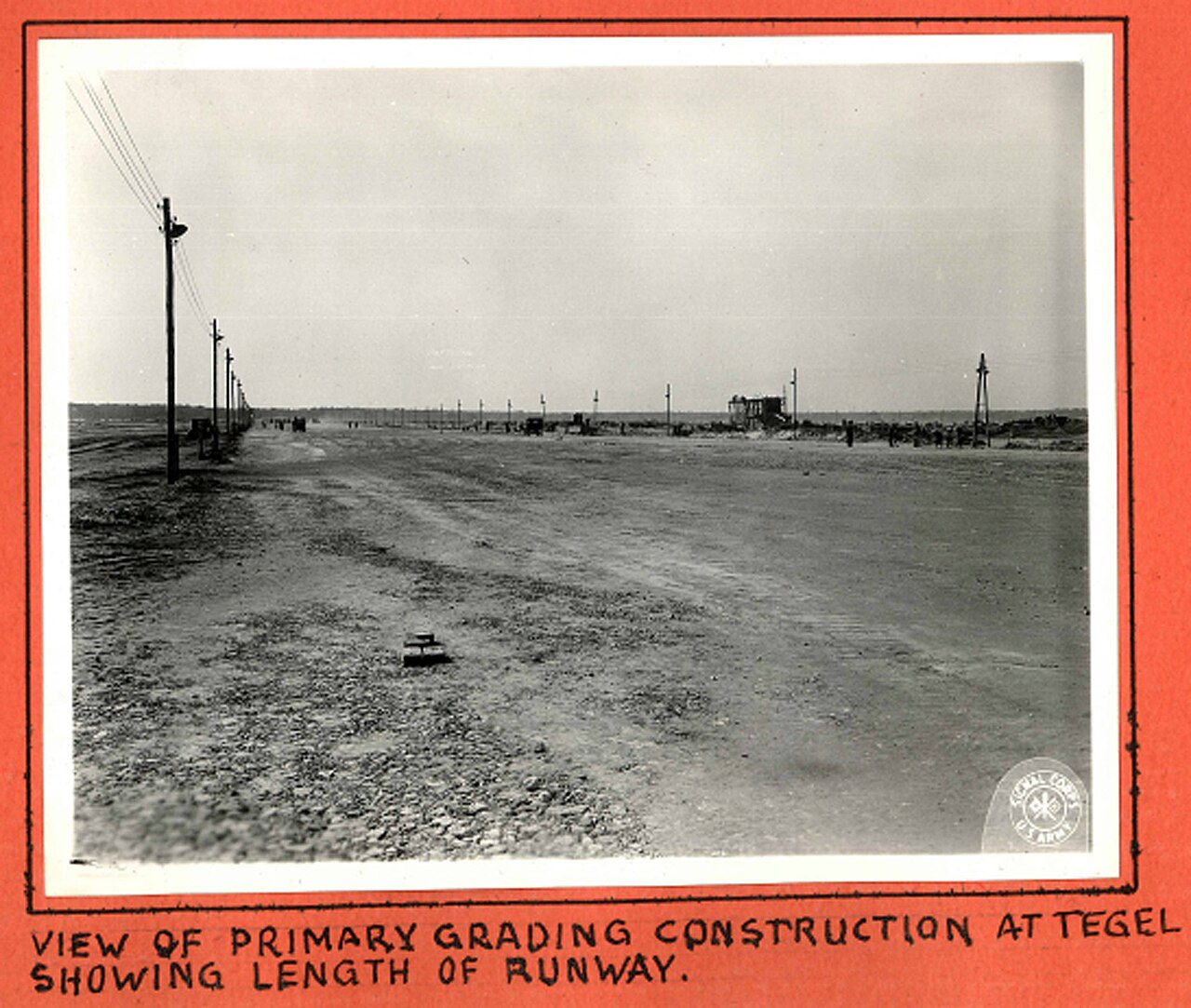
Grading the runway during the 90-day construction of Tegel airfield, 1948 (Photo: Public Domain)
Construction began on 5 August 1948, at the height of the Berlin Blockade, when the two existing airlift airfields — Tempelhof in the American sector and Gatow in the British sector — could not handle the volume of flights needed to keep West Berlin alive. French military engineers directed the work while 19,000 Berlin civilians — many of them women clearing rubble with their hands — built the runway, taxiways, and drainage in shifts around the clock. The 2,428-metre runway was the longest in Europe when the first C-54 Skymaster landed on 5 November 1948, just 90 days later.
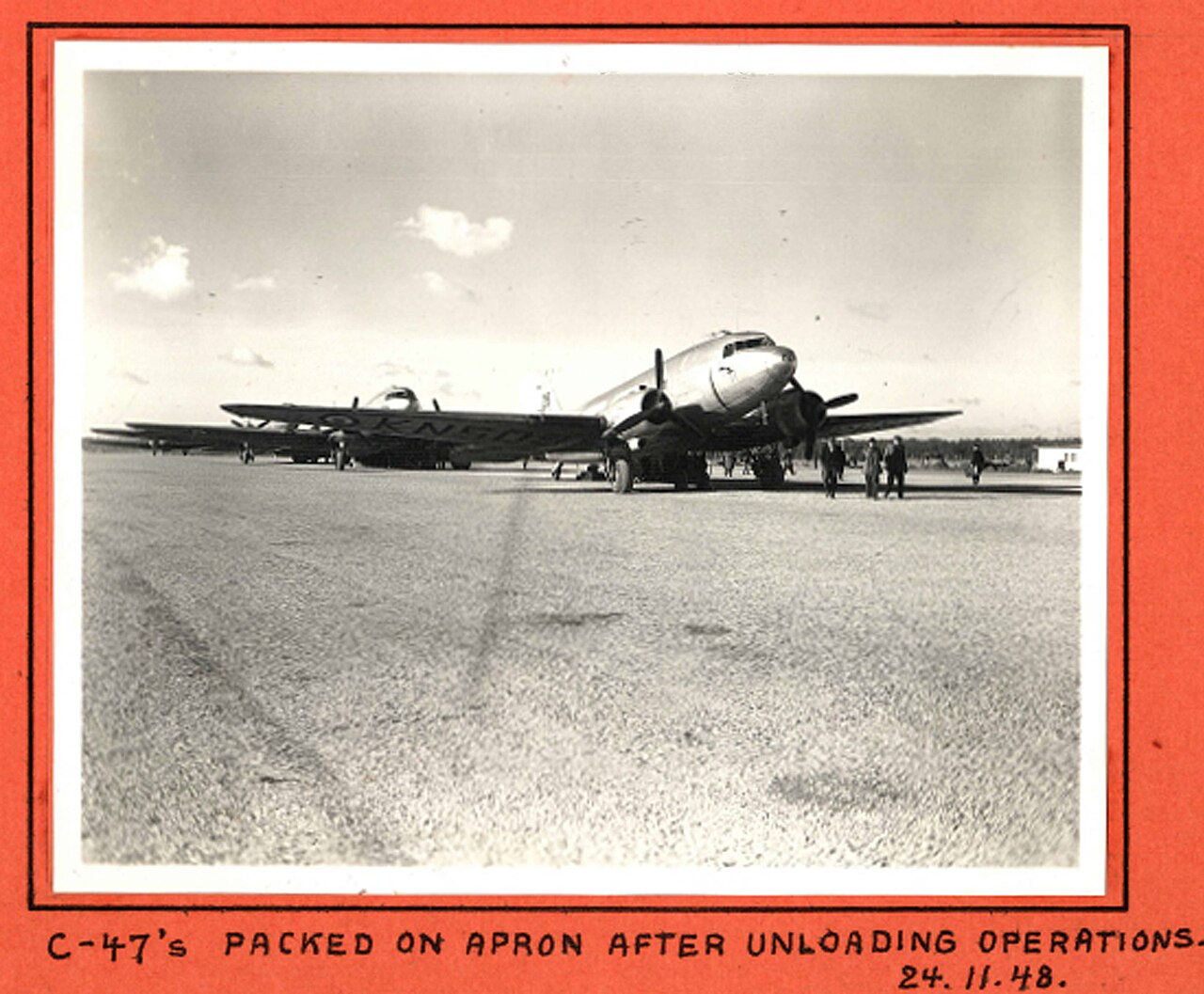
C-47 transports packed on the apron after unloading at Tegel during the Berlin Airlift (Photo: Public Domain)
Two Soviet-controlled radio masts near the approach path endangered incoming aircraft. When diplomatic protests failed, French commandant General Jean Ganeval had the masts dynamited — reportedly informing the Soviet authorities afterward with a curt message. After the blockade ended in May 1949, Tegel continued as a military airfield before being developed into a civilian airport. Its famous hexagonal Terminal A, designed by architects von Gerkan, Marg and Partners, opened in 1974 and became a symbol of West Berlin’s connectivity to the wider world. Tegel served as the city’s main airport until closing on 8 November 2020, after Berlin Brandenburg Airport opened.
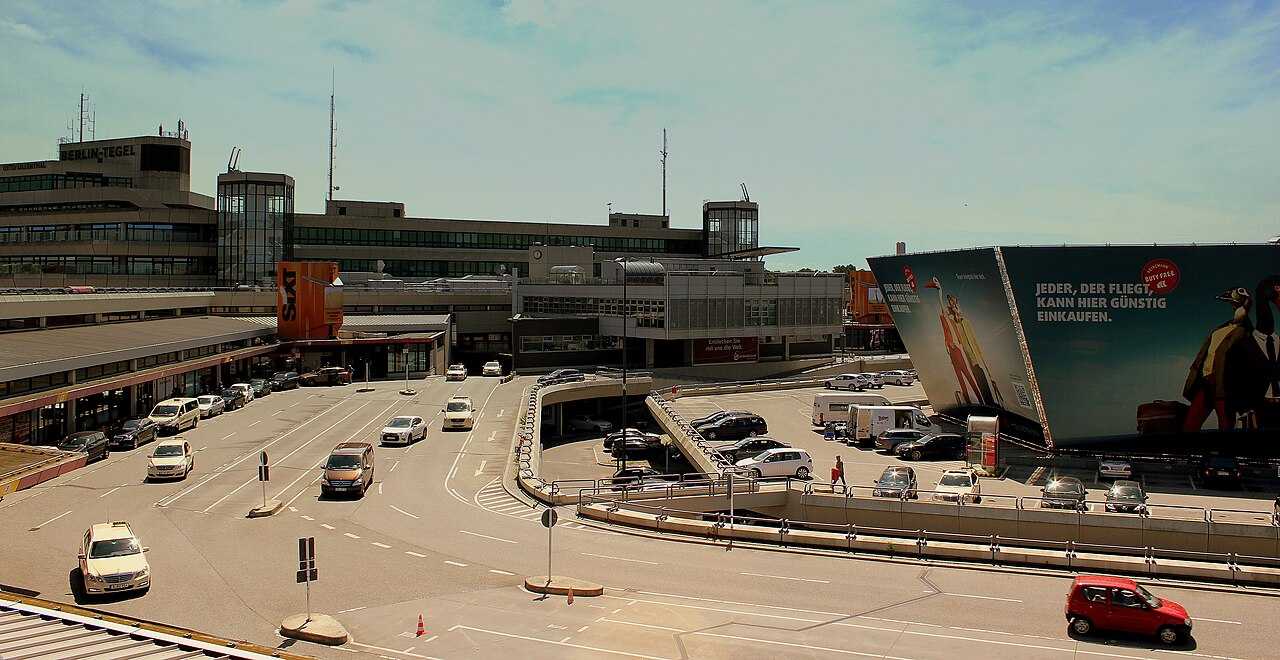
Tegel Airport’s hexagonal Terminal A in operation, 2013 (Photo: dronepicr)
The 495-hectare site is now being transformed into Berlin TXL, one of Europe’s largest urban redevelopment projects. The hexagonal terminal, classified as a historic monument in 2019, will become the centrepiece of the Urban Tech Republic — a research and technology campus where the Berliner Hochschule fur Technik is relocating, alongside around 1,000 companies. The neighbouring Schumacher Quartier will be a car-free residential district of approximately 5,000 apartments, with construction beginning in 2026 and first residents expected by 2028. Some 190 hectares of the former airfield are becoming the Tegeler Stadtheide, a landscape park preserving the open grassland and protected species that colonised the runway area after closure. The old terminal is currently closed to the public during renovation.
Show me on the mapGallery


Nearby Berlin Wall Sites





Free map downloads
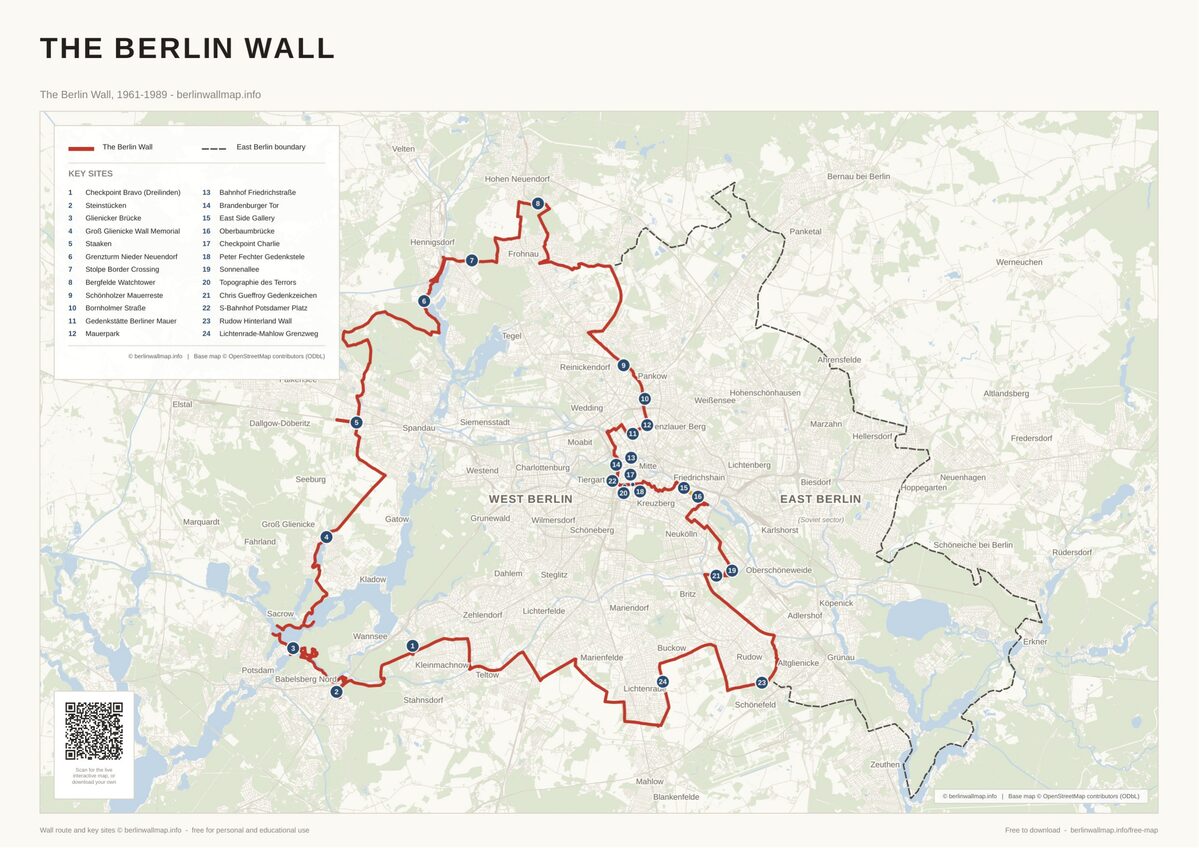
Free printable PDF maps of the Berlin Wall.
Get the free maps →Explore the Timeline
Journey through Berlin Wall history from 1945 to 1990.
View Timeline →
Embed Our Map
Add a free interactive Berlin Wall map to your website or blog.
Get embed code →