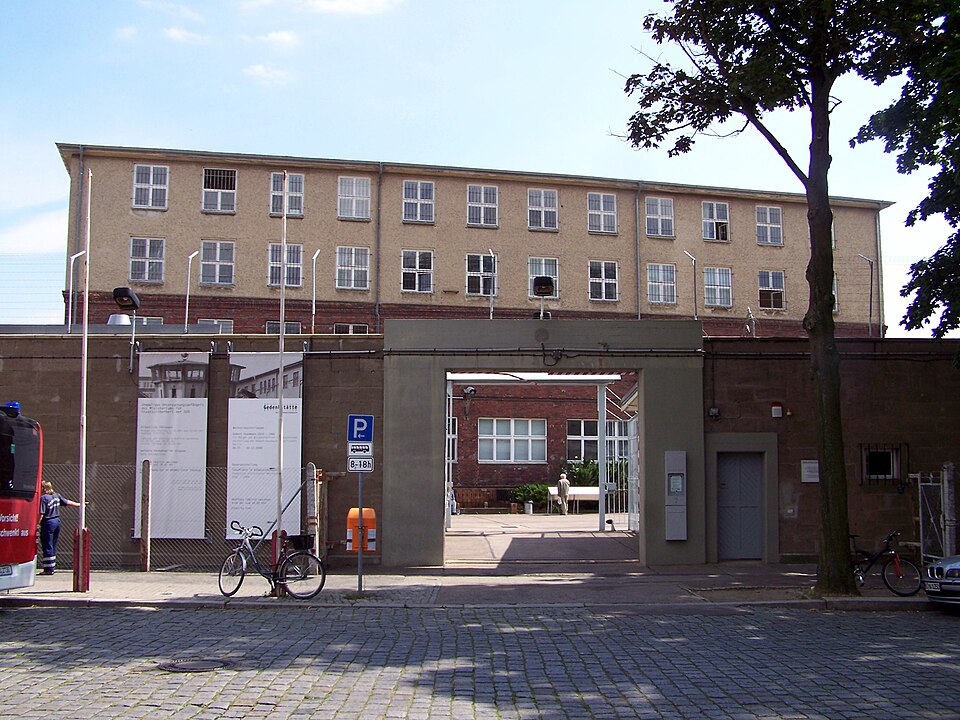
Gedenkstätte Berlin-Hohenschönhausen
The former central remand prison of the East German Ministry for State Security (Stasi), where political prisoners were interrogated and detained under brutal conditions. Tours are often led by former inmates who describe their experiences of isolation cells, sleep deprivation, and psychological torture. A deeply affecting memorial to the victims of political repression.
The prison complex in Berlin-Hohenschönhausen was originally built by the Soviet occupying forces in 1945 as a special internment camp, and was taken over by the newly founded East German Ministry for State Security (Stasi) in 1951. For nearly four decades, it served as the Stasi’s central remand prison, where political prisoners were held, interrogated, and psychologically broken before trial.
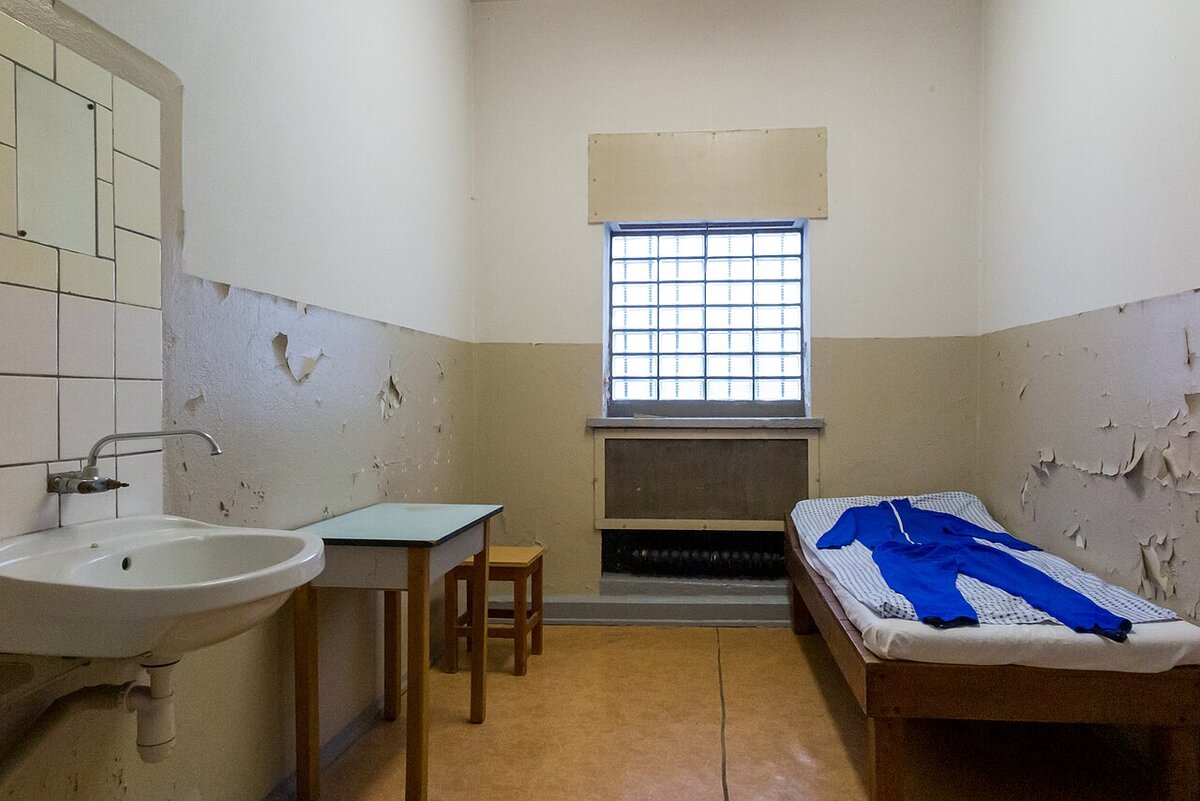
Cell in the former Stasi prison Hohenschönhausen (Photo: JoachimKohler-HB)
.jpg)
The methods used here evolved over time. In the early years, prisoners endured physical torture, waterboarding, and sleep deprivation in basement cells known as the “U-Boot” (submarine). Later, the Stasi shifted to more sophisticated psychological techniques: complete isolation, disorientation through irregular routines, threats against family members, and the systematic destruction of the prisoner’s sense of self.
Tours of the memorial are often led by former inmates, who describe their personal experiences in the very cells and interrogation rooms where they were held. Their testimonies bring a devastating immediacy to the visit. The prison complex has been preserved largely in its original state, including the cells, interrogation rooms, and exercise yards.
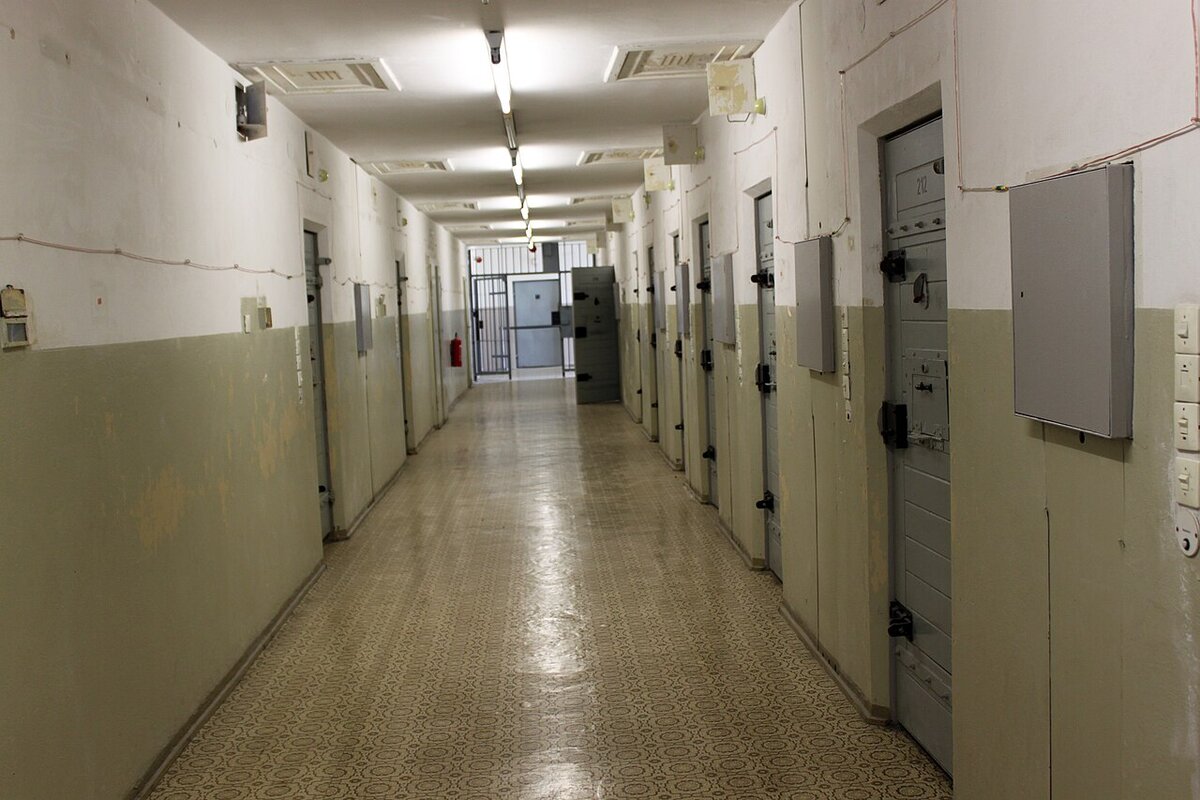
Stasi detention corridor at Hohenschönhausen (Photo: Anagoria)

Gallery


Nearby Berlin Wall Sites
See all Berlin Wall sites near Gedenkstätte Berlin-Hohenschönhausen →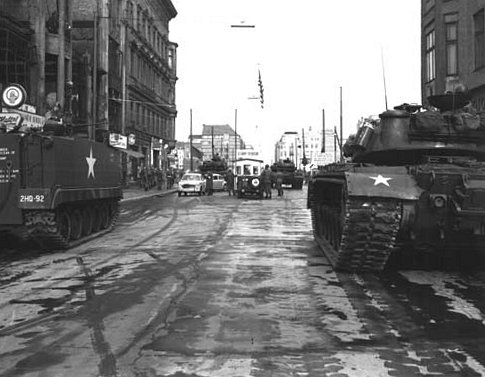
Checkpoint Charlie
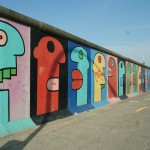
East Side Gallery
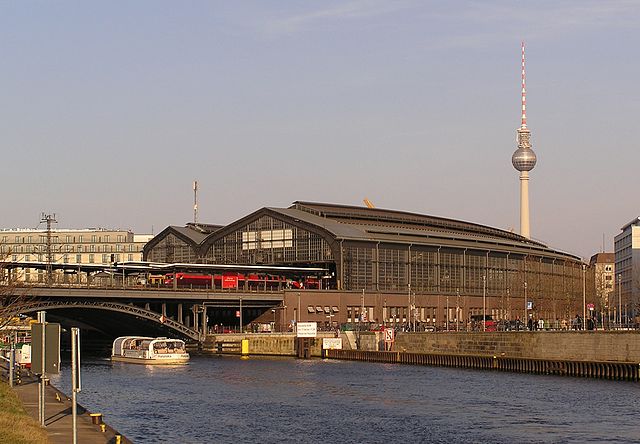
Bahnhof Friedrichstraße
History of the Berlin Wall: A Complete Guide (1961-1989)
65 Years Ago: US and Soviet Tanks Faced Off at Checkpoint Charlie
The Border Guards of the Berlin Wall: Conscripts, the Order to Shoot, and the Trials That Followed
9 November in Berlin: 37 Years Since the Wall Fell, and What’s On
Gethsemanekirche
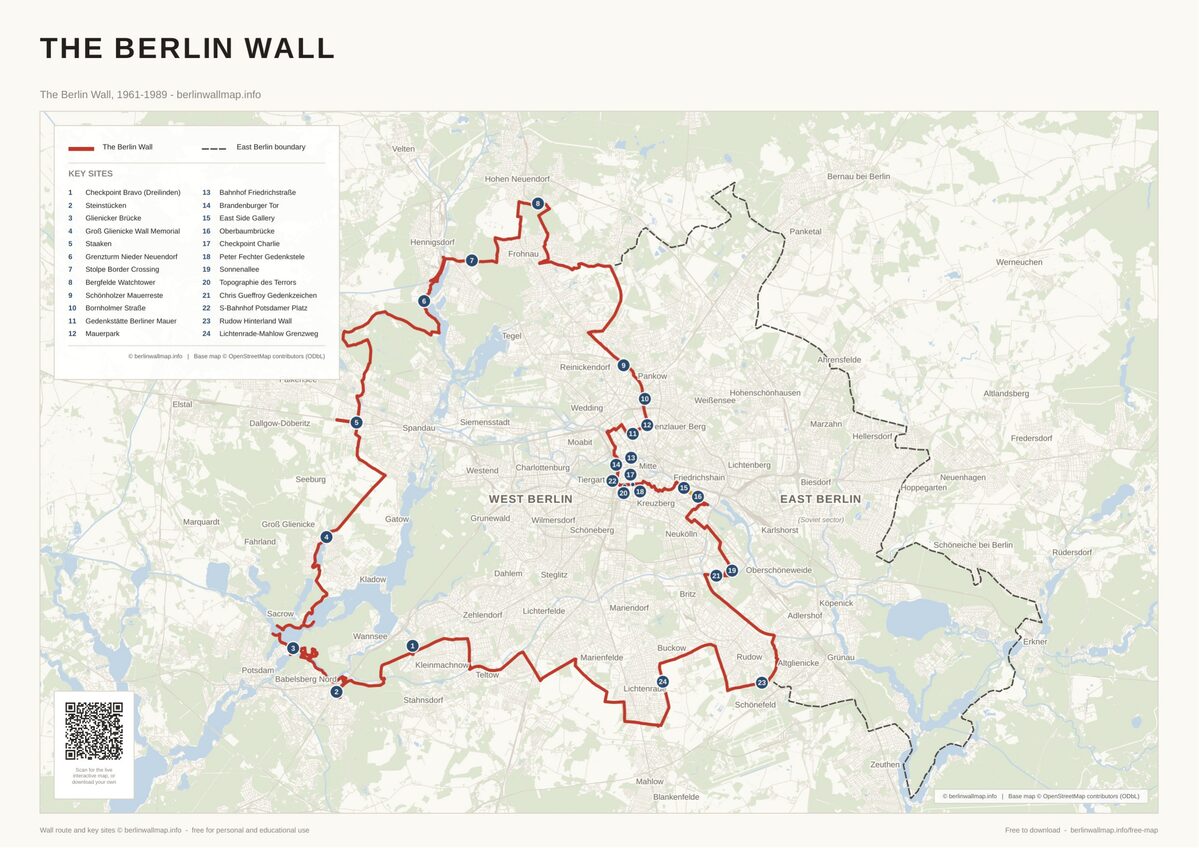
Free map downloads
Free printable PDF maps of the Berlin Wall.
Get the free maps →Explore the Timeline
Journey through Berlin Wall history from 1945 to 1990.
View Timeline →
Embed Our Map
Add a free interactive Berlin Wall map to your website or blog.
Get embed code →