Stasi Museum
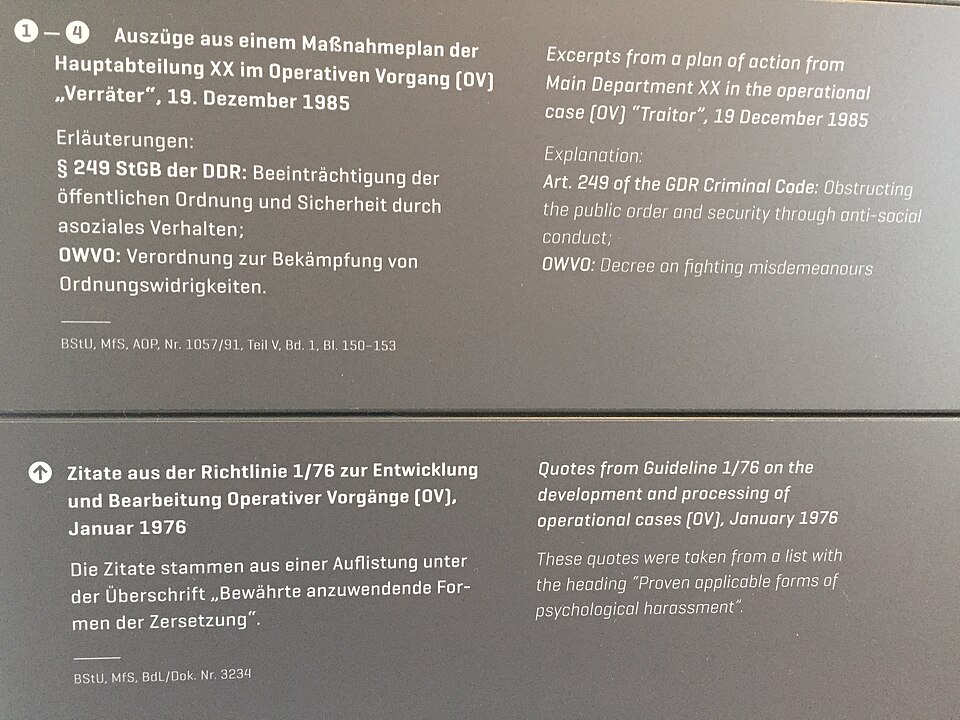
Located in the former headquarters of the Ministry for State Security in Lichtenberg, this museum preserves the office of Stasi chief Erich Mielke exactly as it was. Exhibits document the vast surveillance apparatus that monitored East German citizens, including mail interception equipment, hidden cameras, and the infamous smell samples used to track dissidents.
The museum occupies the former headquarters of the Ministry for State Security (Ministerium für Staatssicherheit, or MfS) in the Lichtenberg district, a sprawling complex of buildings that was the nerve centre of one of the most pervasive surveillance operations in history. At its peak, the Stasi employed over 91,000 full-time staff and an estimated 189,000 informal collaborators to monitor East Germany’s 16 million citizens.
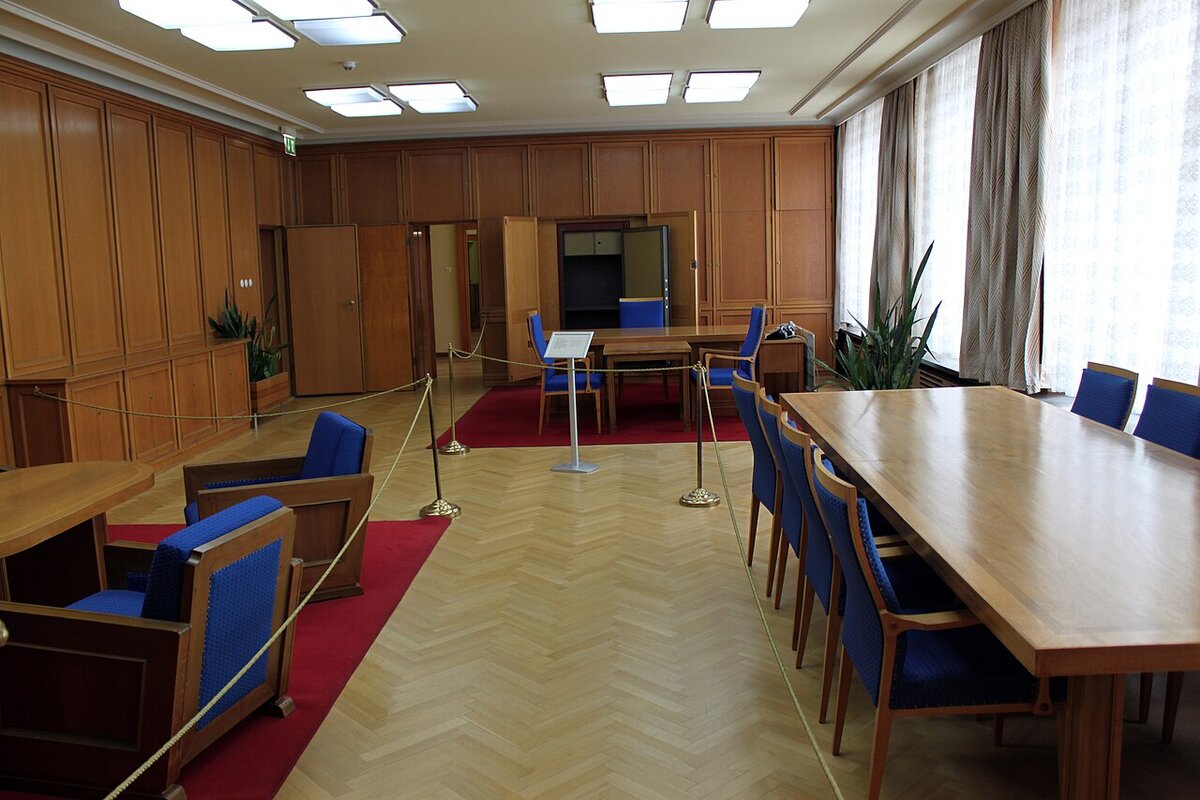
Erich Mielke’s preserved office in the Stasi Museum (Photo: Anagoria)

The centrepiece of the museum is the preserved office suite of Stasi chief Erich Mielke, left exactly as it was when he was removed from power in November 1989. Visitors can see the wood-panelled rooms, the secure telephone system, and the private quarters where Mielke directed operations for over three decades. Other exhibits document the agency’s surveillance methods: concealed cameras hidden in watering cans and ties, equipment for opening and resealing mail, and the infamous collection of “smell samples” – cloths sealed in jars, used to identify and track dissidents by scent with tracking dogs.
Show me on the mapGallery


Nearby Berlin Wall Sites
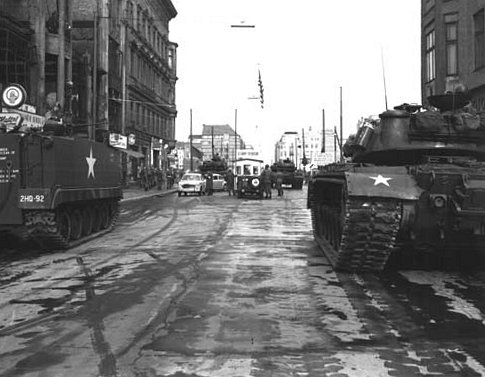
Checkpoint Charlie
East Side Gallery
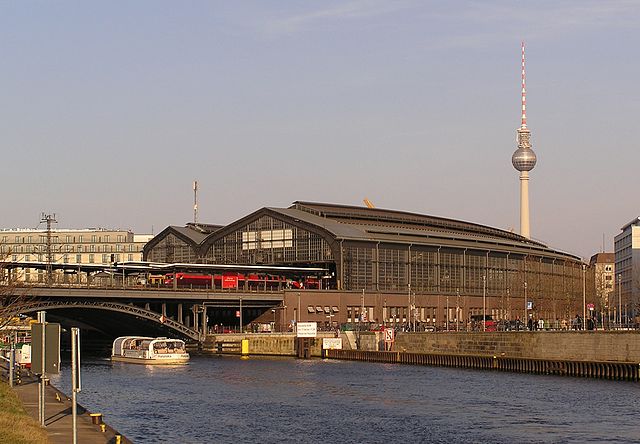
Bahnhof Friedrichstraße
History of the Berlin Wall: A Complete Guide (1961-1989)
65 Years Ago: US and Soviet Tanks Faced Off at Checkpoint Charlie
The Border Guards of the Berlin Wall: Conscripts, the Order to Shoot, and the Trials That Followed
9 November in Berlin: 37 Years Since the Wall Fell, and What’s On
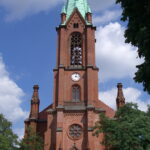
Gethsemanekirche
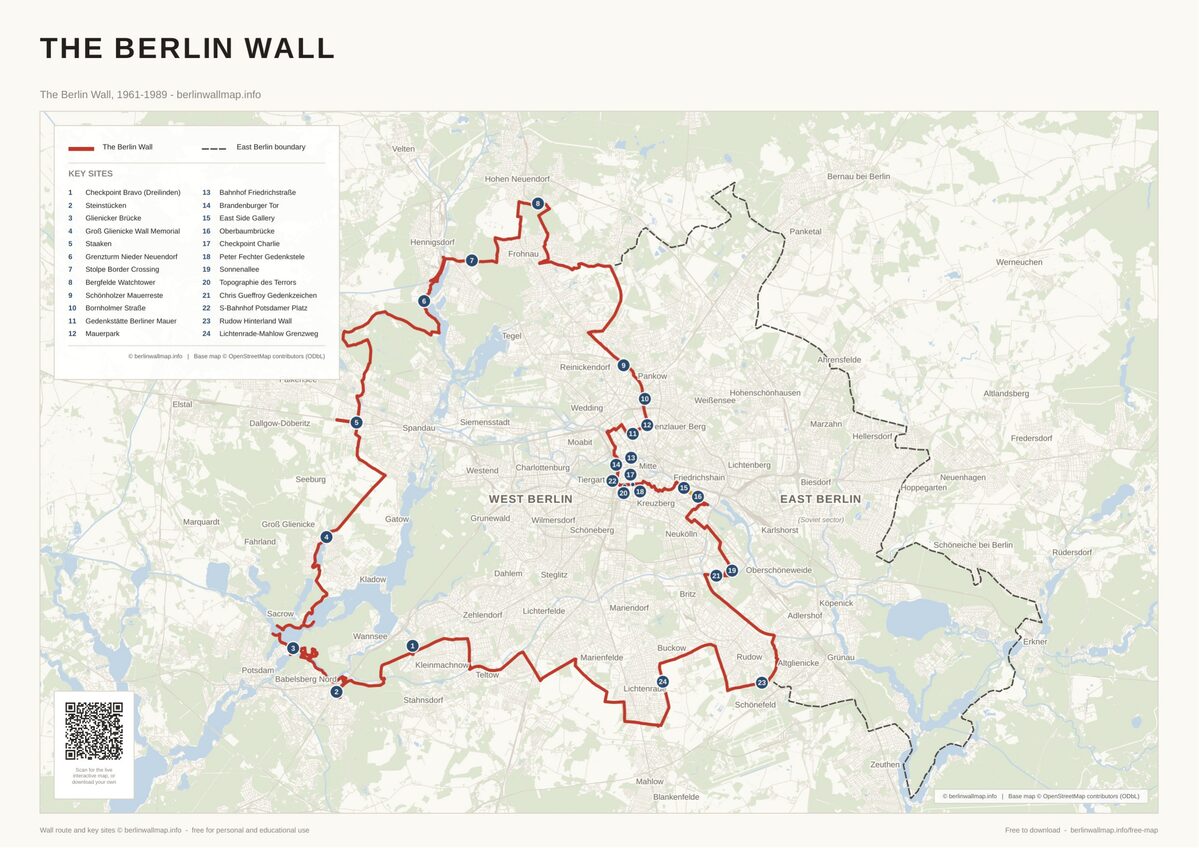
Free map downloads
Free printable PDF maps of the Berlin Wall.
Get the free maps →Explore the Timeline
Journey through Berlin Wall history from 1945 to 1990.
View Timeline →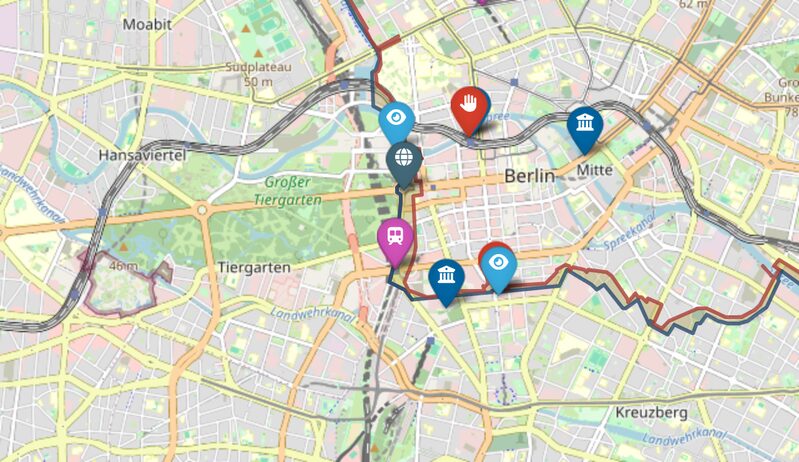
Embed Our Map
Add a free interactive Berlin Wall map to your website or blog.
Get embed code →