Berlin Wall Sites Near Gedenkstätte Berlin-Hohenschönhausen
The former central remand prison of the East German Ministry for State Security (Stasi), where political prisoners were interrogated and detained under brutal conditions. Tours are often led by former inmates who describe their experiences of isolation cells, sleep deprivation, and psychological torture.
15 Berlin Wall Sites Within Walking Distance

Gedenkstätte Berlin-Hohenschönhausen
The former central remand prison of the East German Ministry for State Security (Stasi), where political prisoners were interrogated and detained under brutal conditions. Tours...

Stasi Museum
Located in the former headquarters of the Ministry for State Security in Lichtenberg, this museum preserves the office of Stasi chief Erich Mielke exactly as...

Oberbaumbrücke
Crossing the River Spree, this beautiful double-decker bridge is well-known Berlin landmark. It became a pedestrian border-crossing for West Berliners. The entire width of the...

Gethsemanekirche
This Prenzlauer Berg church became the centre of Berlin's peaceful revolution in autumn 1989. From 2 October, opposition groups held a round-the-clock vigil here, with...

East Side Gallery
The longest surviving stretch of the Berlin Wall, this 1.3km open-air gallery along the Spree was painted by 118 artists from 21 countries in 1990....

Führungsstelle Schlesischer Busch
In Schlesischer Busch park, a former four-storey command tower still stands. It is one of only a handful of surviving Berlin Wall watchtowers. Unlike standard...

U-Bahnhof Alexanderplatz (U8)
East Berlin's busiest transport hub was simultaneously a ghost station. The U2 and U5 platforms served East Berliners normally, while the physically separate U8 platform...

Alexanderplatz Demonstration
On 4 November 1989, between 200,000 and 500,000 people filled this square in the largest non-state demonstration in East German history and the first legally...

U-Bahnhof Jannowitzbrücke
The first ghost station to reopen, on 11 November 1989, just two days after the Wall fell. A provisional border checkpoint was hastily set up...

Bethke Brothers Escape
Site of two of the most daring Berlin Wall escapes. On 31 March 1983, Holger Bethke climbed to a rooftop near Treptow Park, fired an...

Mauerpark
Now famous for its flea market and bearpit karaoke every Sunday, Mauerpark was once home to part of the death strip and Berlin Wall. A...

U-Bahnhof Weinmeisterstraße
A ghost station on the U8 line in the Scheunenviertel quarter. One of the last to reopen on 1 July 1990, it retains elements of...

Gleim-Tunnel
130-metre long, 23-metre wide street tunnel built in 1905 beneath the railway tracks. The Berlin Wall ran through the middle during the division. Sealed in...

U-Bahnhof Rosenthaler Platz
One of the first ghost stations to reopen after the Wall fell, on 22 December 1989, with a provisional border checkpoint hastily set up on...

Sebastianstraße Tunnel
In 1962, Siegfried Noffke and Dieter Hötger dug a tunnel approximately 30 metres long from this building in West Kreuzberg under the Wall to Heinrich-Heine-Straße...
Explore Berlin Wall Sites Near Other Landmarks
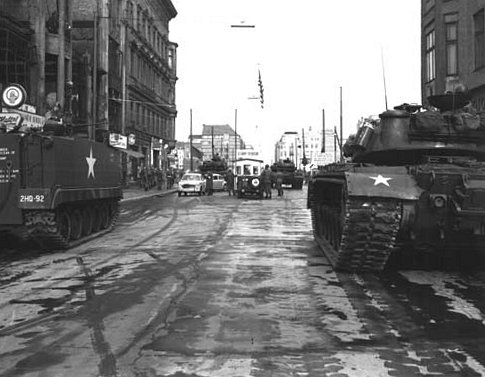
Checkpoint Charlie
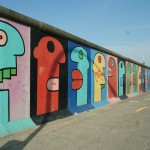
East Side Gallery
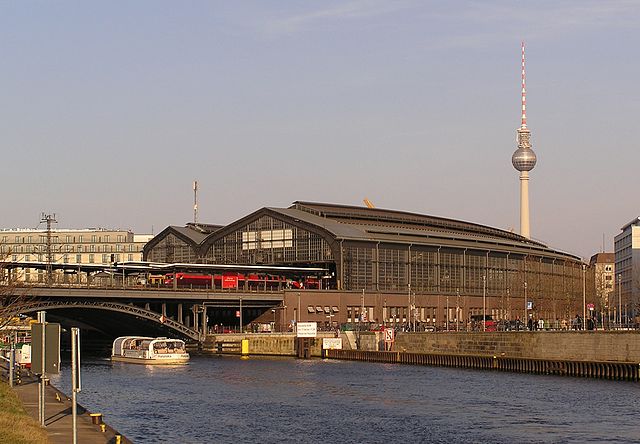
Bahnhof Friedrichstraße
History of the Berlin Wall: A Complete Guide (1961-1989)
65 Years Ago: US and Soviet Tanks Faced Off at Checkpoint Charlie
The Border Guards of the Berlin Wall: Conscripts, the Order to Shoot, and the Trials That Followed
9 November in Berlin: 37 Years Since the Wall Fell, and What’s On
Gethsemanekirche
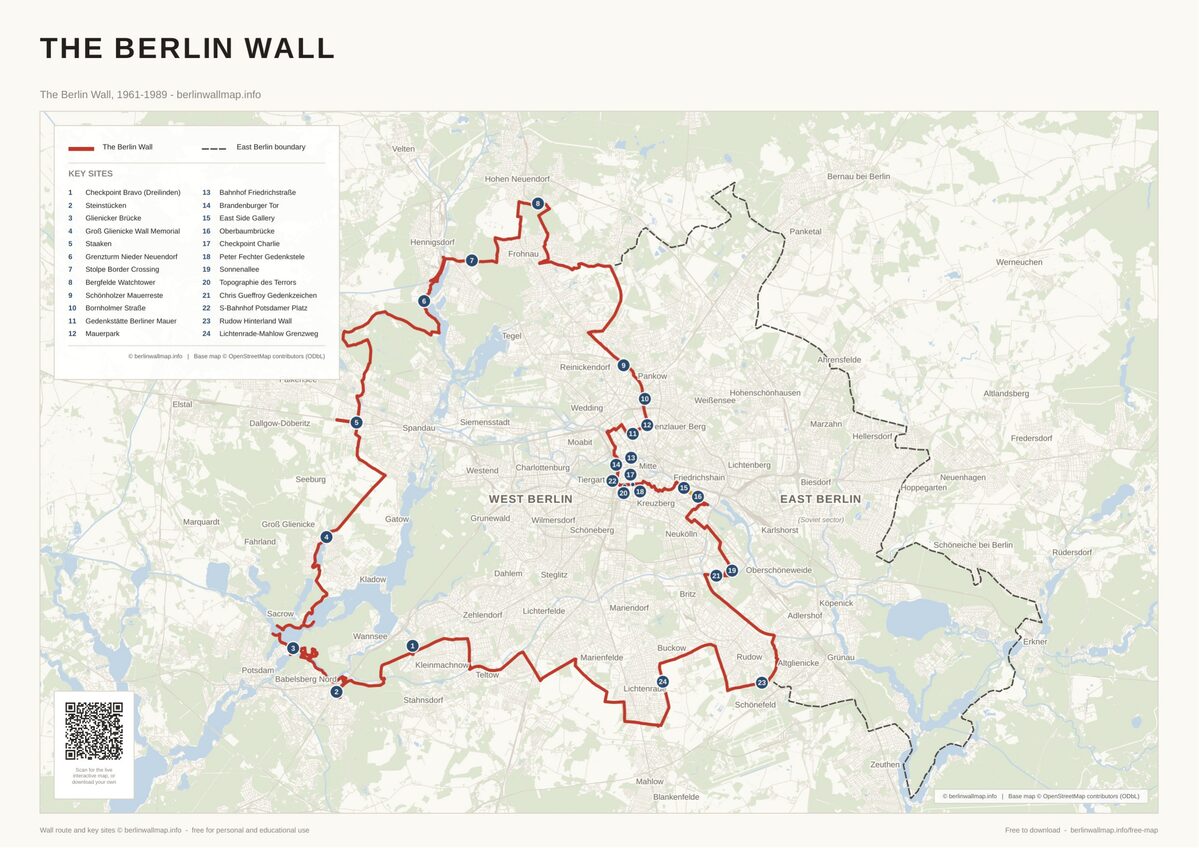
Free map downloads
Free printable PDF maps of the Berlin Wall.
Get the free maps →Explore the Timeline
Journey through Berlin Wall history from 1945 to 1990.
View Timeline →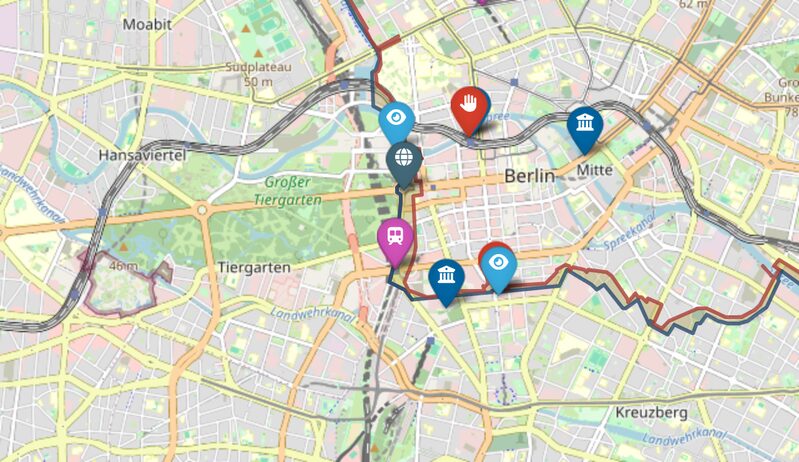
Embed Our Map
Add a free interactive Berlin Wall map to your website or blog.
Get embed code →