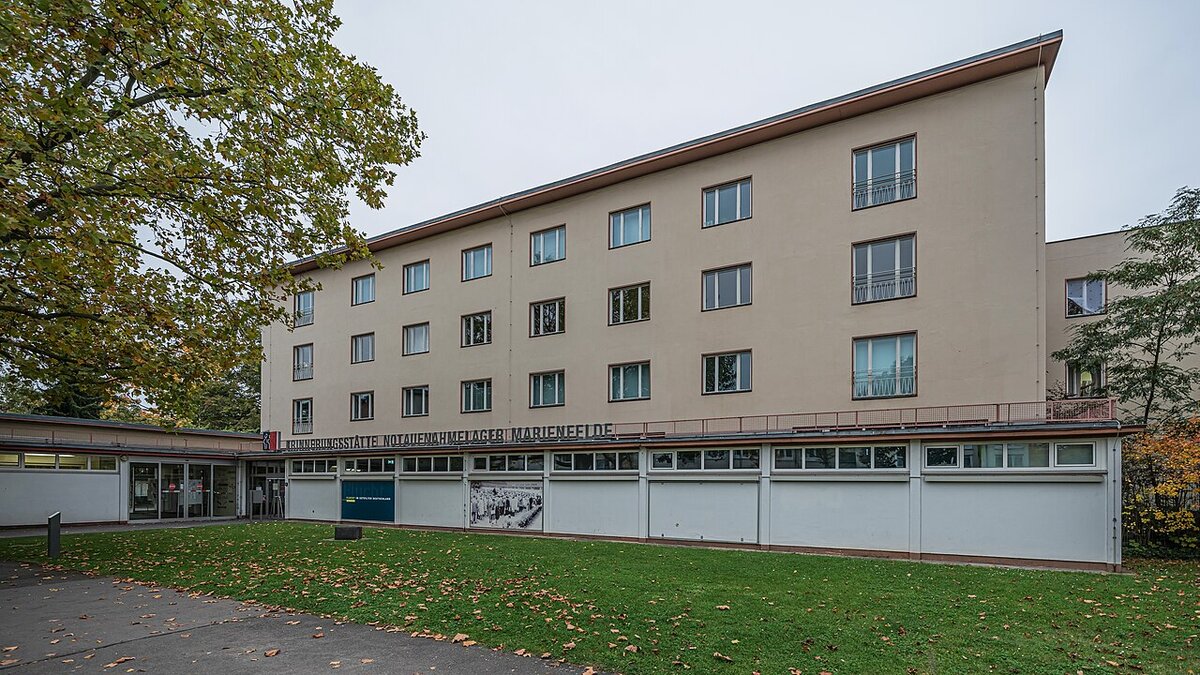
Notaufnahmelager Marienfelde
From 1953 to 1990, the Marienfelde Emergency Reception Centre was the first point of contact for East Germans who had escaped the GDR. Over 1.35 million refugees passed through its doors – making it one of the most significant sites of the Cold War division, though far less well-known than the Wall itself.
The camp opened on 14 April 1953, purpose-built to process the flood of refugees leaving East Germany. At its peak in the late 1950s, thousands arrived each week. Every refugee underwent a registration process: identity checks, interviews with Western intelligence services, medical examinations, and allocation of temporary housing. For many, it was the first taste of freedom after years under the SED regime.
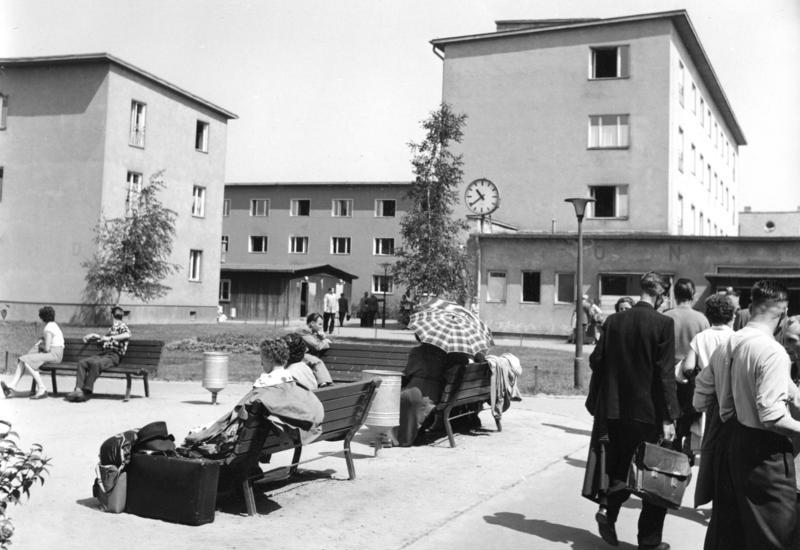
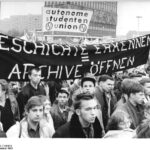
Refugees waiting at the Marienfelde reception centre, 1950s (Photo: Bundesarchiv / Müller, Simon)
After the Berlin Wall was built on 13 August 1961, the stream of refugees slowed dramatically – but never stopped entirely. Those who managed to escape through tunnels, over the Wall, or via other routes still arrived at Marienfelde for processing. The camp remained operational until German reunification in 1990.
Today the site houses the Erinnerungsstätte Notaufnahmelager Marienfelde, a museum and memorial. The permanent exhibition tells the stories of those who fled, using personal testimonies, original documents, and photographs. Several of the original reception buildings are preserved, giving visitors a tangible sense of the conditions refugees faced upon arrival.
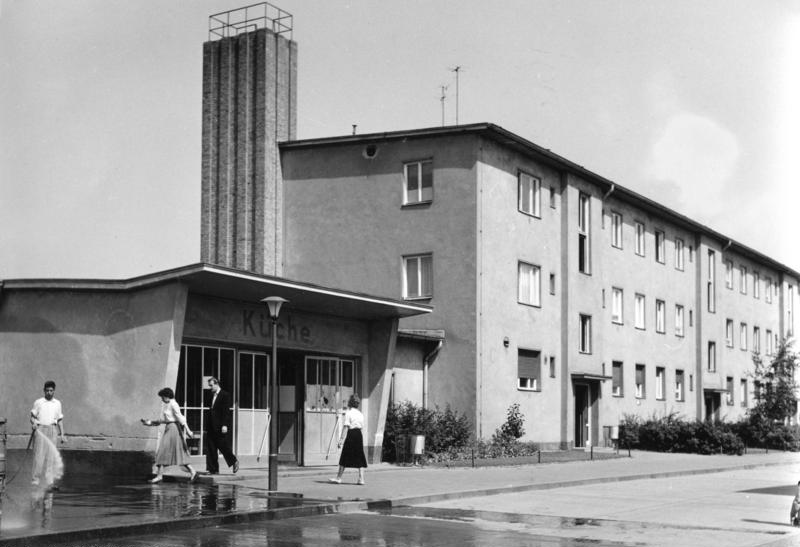
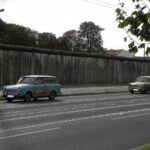
The kitchen building (Küche) at the Marienfelde reception centre (Photo: Bundesarchiv / Müller, Simon)
The museum is located at Marienfelder Allee 66-80 in the southern district of Marienfelde. While it requires a journey from the city centre, the trip is worthwhile for anyone interested in the human stories behind the Cold War statistics.
Show me on the mapGallery


Nearby Berlin Wall Sites


Free map downloads
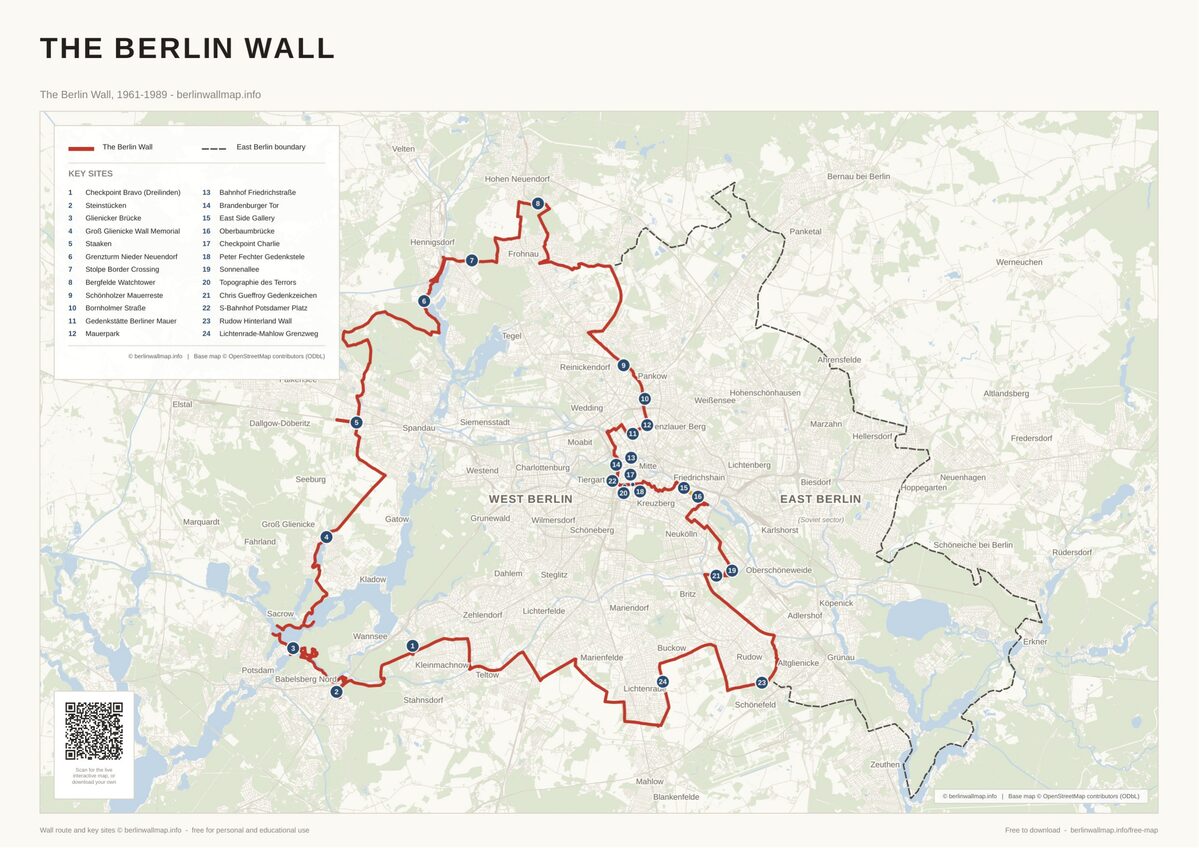
Free printable PDF maps of the Berlin Wall.
Get the free maps →Explore the Timeline
Journey through Berlin Wall history from 1945 to 1990.
View Timeline →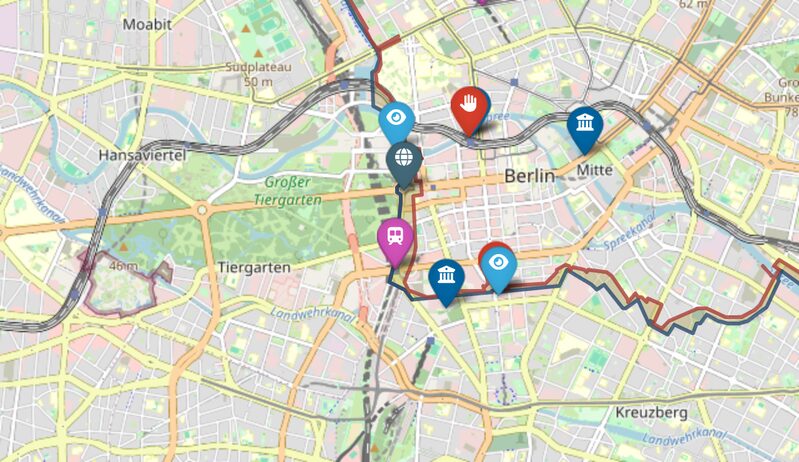
Embed Our Map
Add a free interactive Berlin Wall map to your website or blog.
Get embed code →