What were the four generations of the Berlin Wall?
The Berlin Wall went through four major construction phases between 1961 and 1989, evolving from hasty barbed wire into a heavily fortified border system.
First generation (1961): The initial barrier erected on 13 August 1961 was not a wall at all, but barbed wire fences and improvised barriers made from concrete posts and cinder blocks. East German soldiers and workers threw it up overnight, catching the world by surprise. In some places along Bernauer Straße, the facades of apartment buildings themselves served as the border, residents escaped by jumping from upper-floor windows before they were bricked up.
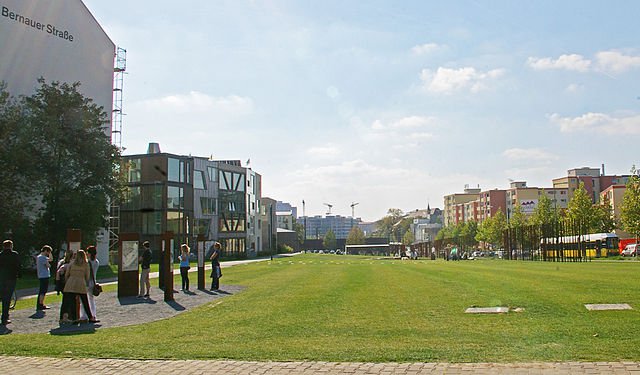
Second generation (1962–1965): The barbed wire was replaced with a more permanent concrete block wall, roughly 2 metres high. It was still relatively crude and could be breached with enough determination, which many people proved during this period.
Third generation (1965–1975): A reinforced concrete wall made of interlocking slabs, taller and more difficult to scale. The border strip behind it was also significantly expanded and fortified during this period.
Fourth generation (1975–1989): The final and most iconic version, the “Grenzmauer 75“, consisted of 45,000 prefabricated L-shaped concrete segments, each 3.6 metres tall and 1.2 metres wide, topped with a smooth concrete pipe that was nearly impossible to grip. This is the Wall that appears in most photographs and whose painted remnants survive at the East Side Gallery.
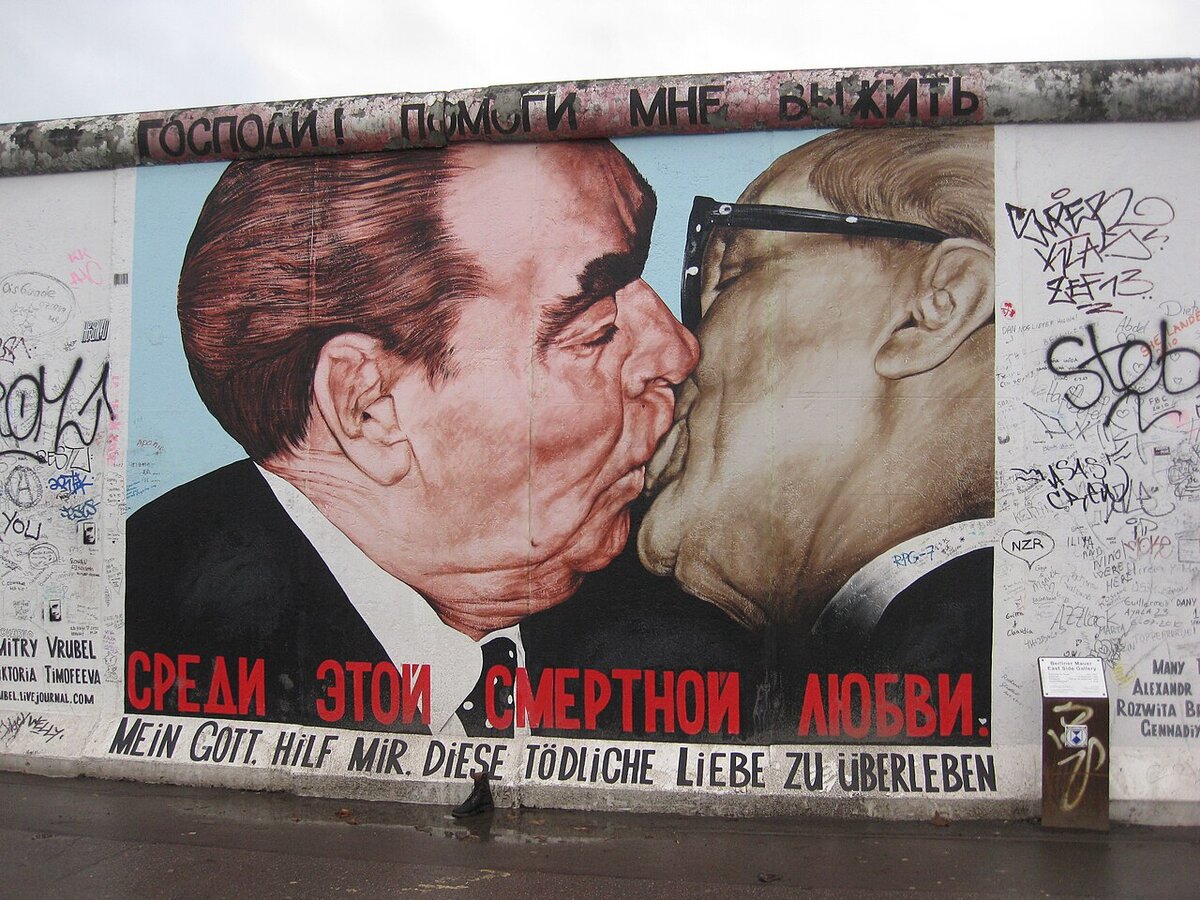
Behind the fourth-generation Wall lay an elaborate system of fortifications including anti-vehicle trenches, trip wires connected to signal flares, raked sand strips (to show footprints), guard dog runs, 302 watchtowers, and the death strip, an open killing zone illuminated by floodlights.
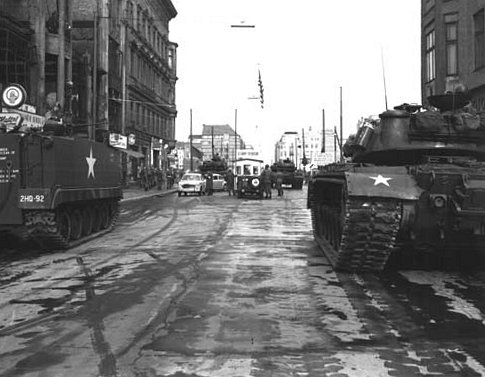
Checkpoint Charlie
East Side Gallery
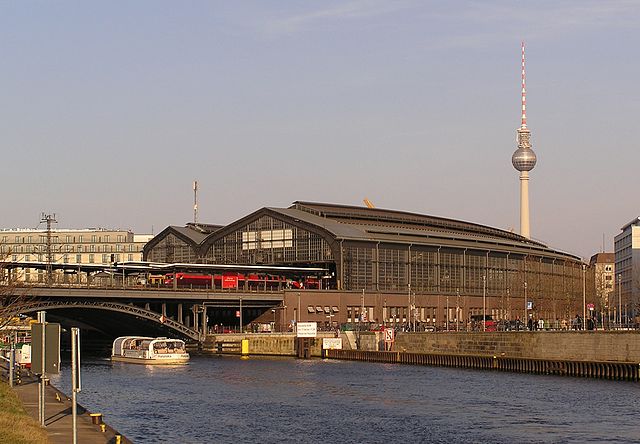
Bahnhof Friedrichstraße
History of the Berlin Wall: A Complete Guide (1961-1989)
65 Years Ago: US and Soviet Tanks Faced Off at Checkpoint Charlie
The Border Guards of the Berlin Wall: Conscripts, the Order to Shoot, and the Trials That Followed
9 November in Berlin: 37 Years Since the Wall Fell, and What’s On
Gethsemanekirche
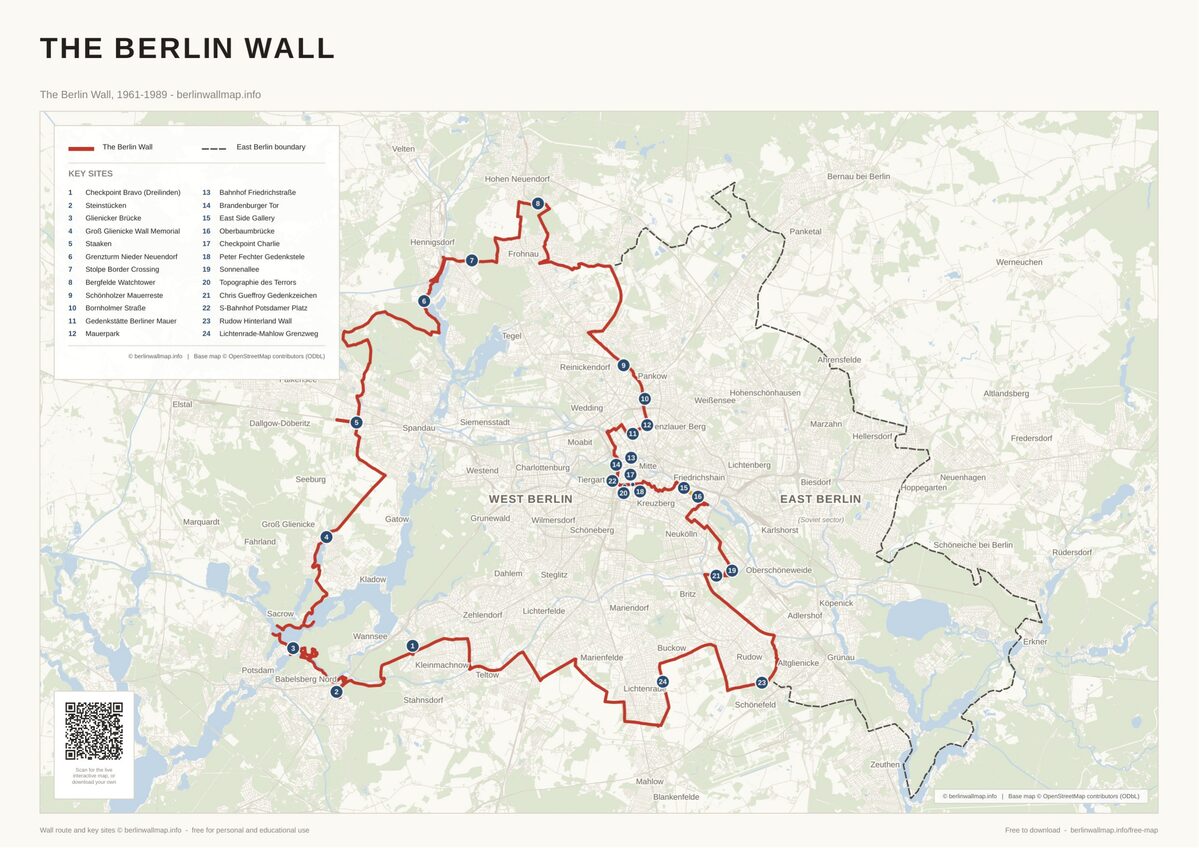
Free map downloads
Free printable PDF maps of the Berlin Wall.
Get the free maps →Explore the Timeline
Journey through Berlin Wall history from 1945 to 1990.
View Timeline →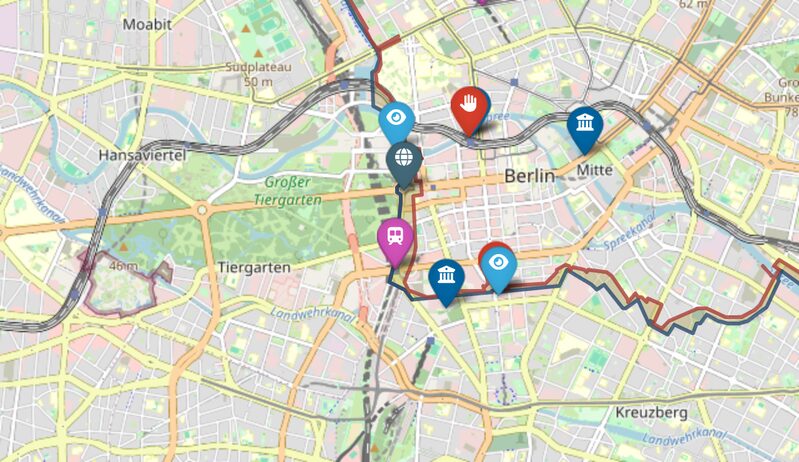
Embed Our Map
Add a free interactive Berlin Wall map to your website or blog.
Get embed code →