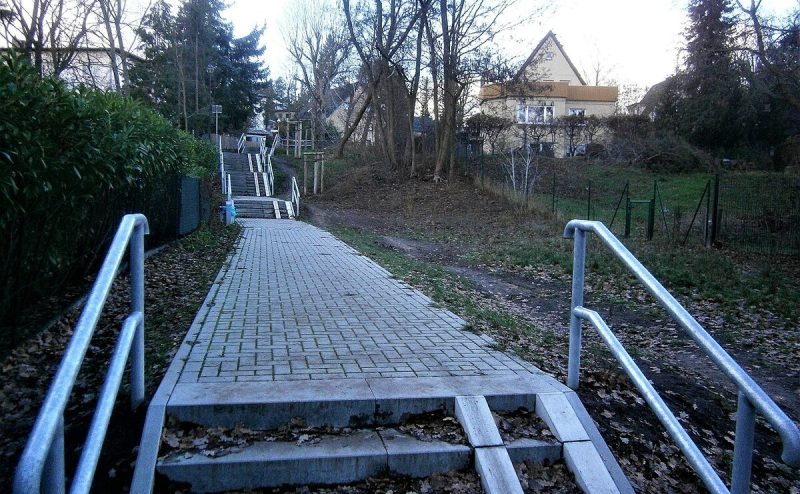
Glienicke/Nordbahn Family Tunnel
In March 1963, one of the most daring family escape tunnels was dug beneath a living room in Glienicke/Nordbahn, a small town on Berlin’s northern border. Eleven-year-old Detlef Aagard, his parents, and ten others crawled to freedom through the narrow passage.
The tunnel at Glienicke/Nordbahn was remarkable for its domestic origins. The Aagard family and their neighbours excavated the passage in secret, disposing of tonnes of sand around their property over several weeks. The tunnel ran from beneath the family’s living room floor, under the border fortifications, and emerged on the western side.
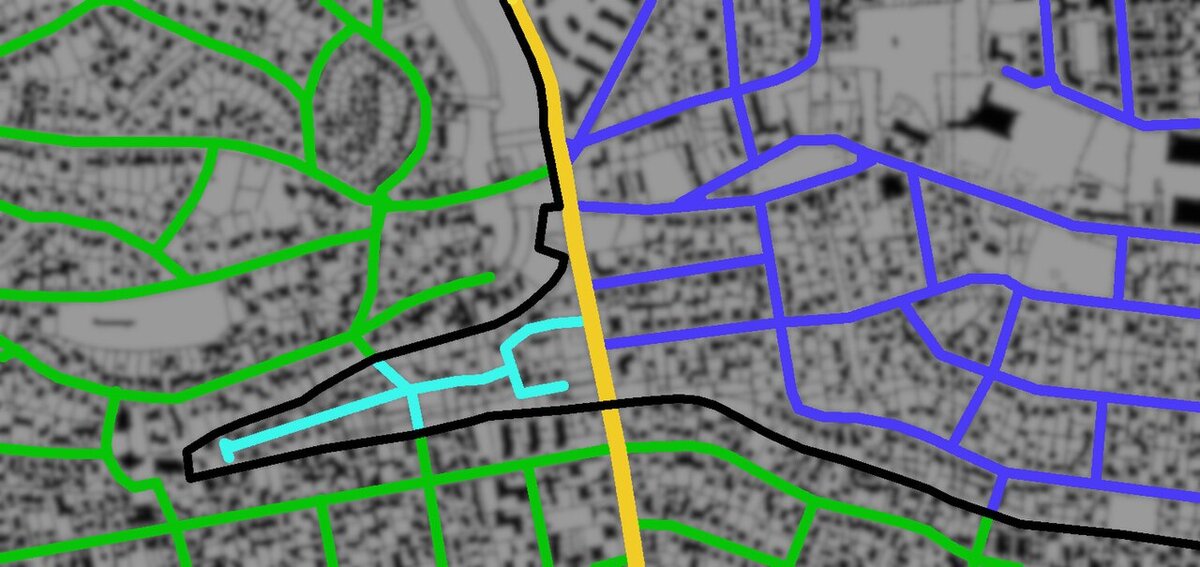
Der Entenschnabel ist ein Geländestreifen der Gemeinde Glienicke/ Nordbahn der westlich der Oranienb (Photo: Boonekamp)
The escape on the night of 14 March 1963 involved 13 people in total, including several children. Young Detlef Aagard, at just 11 years old, was among the youngest to escape through a Berlin Wall tunnel. The story attracted international attention and became one of the most widely reported escape narratives of the early Wall period.
Today, no physical traces of the tunnel remain. The site is a quiet residential area, with nothing to indicate the dramatic events that took place beneath the surface more than 60 years ago.
Show me on the mapGallery


Nearby Berlin Wall Sites


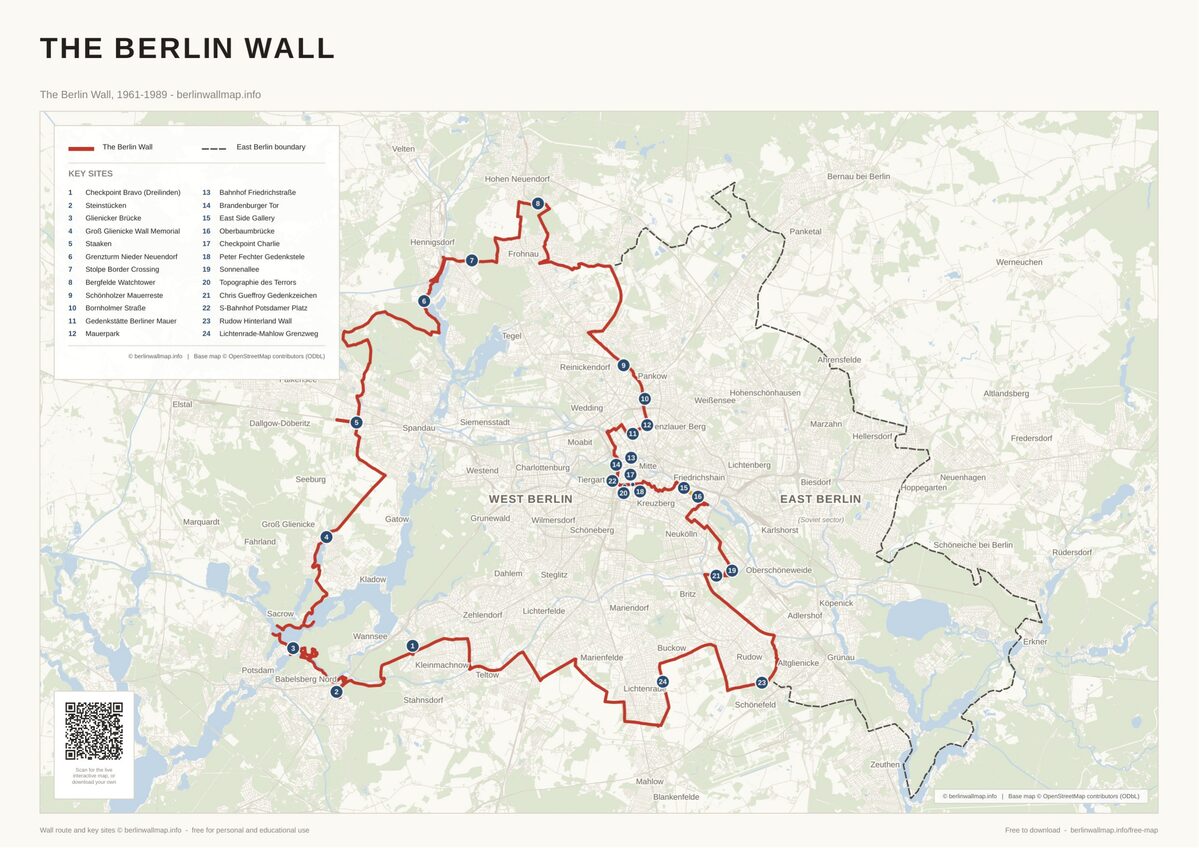
Free map downloads
Free printable PDF maps of the Berlin Wall.
Get the free maps →Explore the Timeline
Journey through Berlin Wall history from 1945 to 1990.
View Timeline →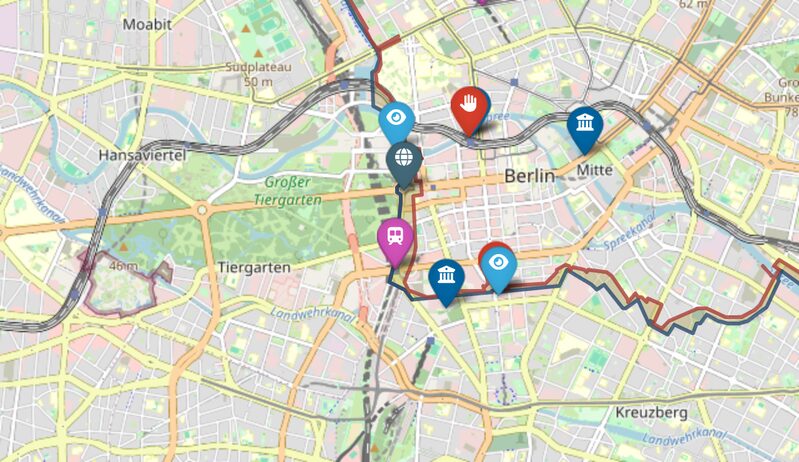
Embed Our Map
Add a free interactive Berlin Wall map to your website or blog.
Get embed code →