
Berlin Wall vs East Side Gallery: What’s the Difference?
One of the most common questions visitors ask is whether the East Side Gallery is “the real Berlin Wall.” The answer is yes and no. The East Side Gallery is a genuine section of the Wall, but it is not the wall that faced West Berlin. Understanding the difference adds depth to your visit and helps you decide where to go.
The Wall Was Not Just One Wall
The Berlin Wall was not a single structure. It was a complex system of fortifications that evolved over 28 years. By the 1980s, the border consisted of multiple elements arranged in depth:
- Outer wall (Grenzmauer 75): The 3.6-meter-high concrete wall with a smooth pipe on top that faced West Berlin. This is what most people picture when they think of “the Berlin Wall.”
- Death strip (Todesstreifen): A cleared zone between the two walls, 30 to 150 meters wide, containing sand strips to show footprints, anti-vehicle obstacles, floodlights, and patrol roads.
- Inner wall (Hinterlandmauer): A secondary wall on the Eastern side that prevented East German citizens from even reaching the death strip.
When the Wall came down in November 1989, most of the outer wall was demolished quickly. What survives today is almost entirely the inner wall – the Hinterlandmauer.
What You See at the East Side Gallery
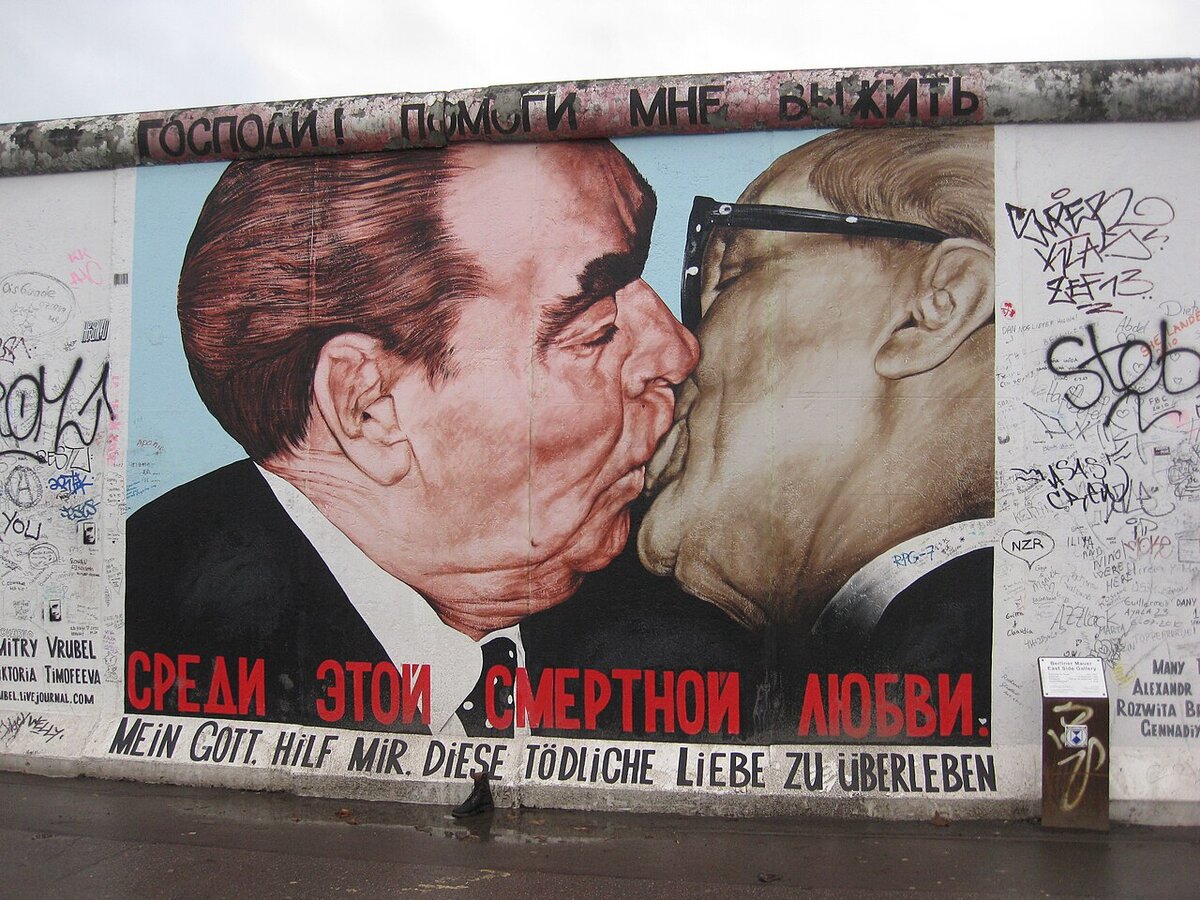
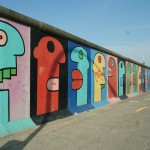
The East Side Gallery is a 1.3-kilometer stretch of the Hinterlandmauer along Mühlenstraße in Friedrichshain. After reunification, artists from over 20 countries painted more than 100 murals on the eastern face of this wall – the side that had faced East Berlin.
This means the painted surface you see was never visible to the West. During the years of division, the eastern side of the Hinterlandmauer was a blank concrete barrier, guarded and forbidden. It faced away from the border and was meant to keep East Germans from approaching the death strip. The murals were added after 1990 as a celebration of freedom and reunification.
The East Side Gallery is culturally and artistically significant, and it is unquestionably a real section of the Berlin Wall. But the experience is primarily artistic rather than historical. The famous paintings – Vrubel’s “Fraternal Kiss,” Kinder’s Trabant – are post-Wall creations.
What You See at Bernauer Straße
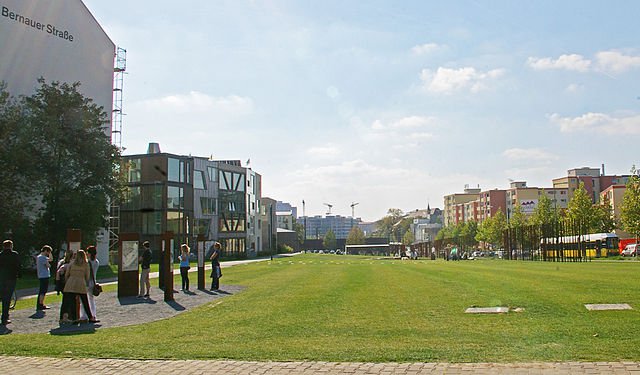
For the historical reality of the border, the Berlin Wall Memorial on Bernauer Straße is where you should go. This is the only place in Berlin where the full depth of the border fortifications has been preserved: the outer wall, the death strip, and the inner wall, all in their original positions.
The 1.4-kilometer outdoor exhibition includes:
- Preserved sections of both the outer and inner walls
- The cleared death strip with its sand track and patrol road
- Guard tower foundations
- The Window of Remembrance, showing photographs of people who died at the Wall
- The Chapel of Reconciliation, built on the site of a church demolished by East German authorities in 1985 to improve guards’ sight lines
The Documentation Centre viewing platform gives a bird’s-eye perspective of the entire border system. Standing there, looking down at the death strip, is the closest you can come to understanding what the Wall actually was – not a painted art gallery, but a lethal military installation.
Other Places to See the “Real” Border Wall
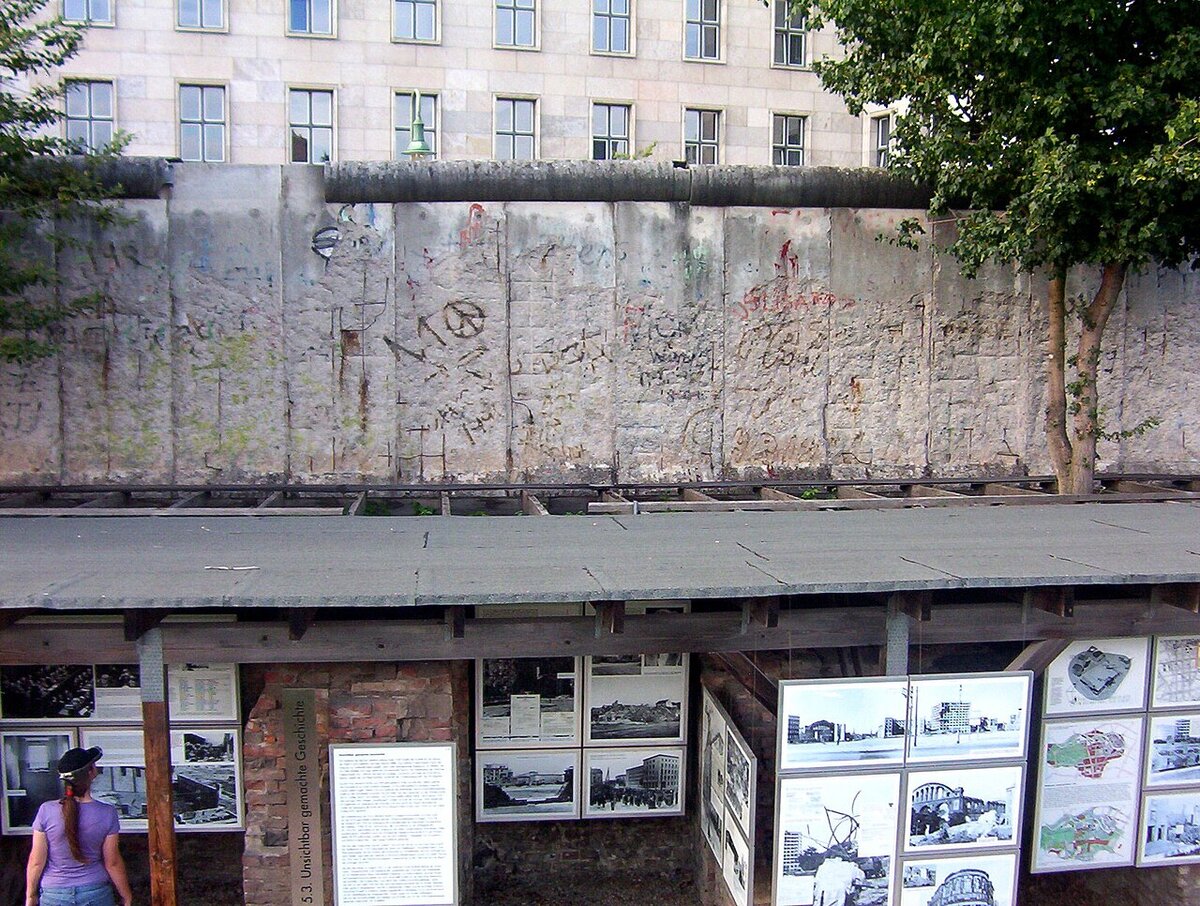
Sections of the outer border wall (Grenzmauer 75) survive in a few other locations:
- Niederkirchnerstraße: Along the Topographie des Terrors, a long stretch of the original outer wall stands in its weathered, chipped state – no paint, no restoration, just raw concrete bearing the marks of souvenir hunters.
- Potsdamer Platz: Several segments of the outer wall stand near the Sony Center, marked with information panels.
- Invalidenstraße: A section near the former border crossing remains in place.
Comparison at a Glance
| East Side Gallery | Bernauer Straße Memorial | |
|---|---|---|
| What it is | Hinterlandmauer (inner wall) | Full border fortifications |
| Length | 1.3 km | 1.4 km outdoor exhibition |
| Focus | Art and symbolism | History and education |
| Murals | 100+ post-1990 paintings | None – preserved as original |
| Death strip visible | No | Yes |
| Atmosphere | Lively, touristy, colorful | Contemplative, educational |
| Cost | Free | Free |
| Nearest station | Ostbahnhof / Warschauer Str. | U Bernauer Straße |
Our Recommendation: Visit Both
The East Side Gallery and Bernauer Straße are complementary, not competing. Bernauer Straße shows you what the Wall was – a deadly barrier that divided a city for 28 years. The East Side Gallery shows you what happened after – a creative response to reunification and freedom. Together, they tell the full story.
Both sites are free, both are outdoors, and both take about an hour to walk. Use our interactive map to plan a route that includes both, or follow one of our self-guided walking routes that pass through multiple Wall sites in a single day.
Affiliate link - we may earn a commission
Checkpoint Charlie
East Side Gallery
Bahnhof Friedrichstraße
History of the Berlin Wall: A Complete Guide (1961-1989)
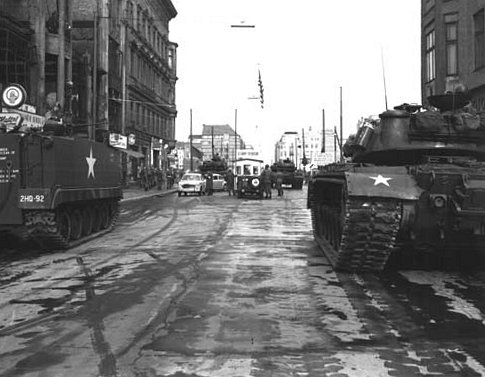
65 Years Ago: US and Soviet Tanks Faced Off at Checkpoint Charlie
The Border Guards of the Berlin Wall: Conscripts, the Order to Shoot, and the Trials That Followed
9 November in Berlin: 37 Years Since the Wall Fell, and What’s On
Alexanderplatz Demonstration
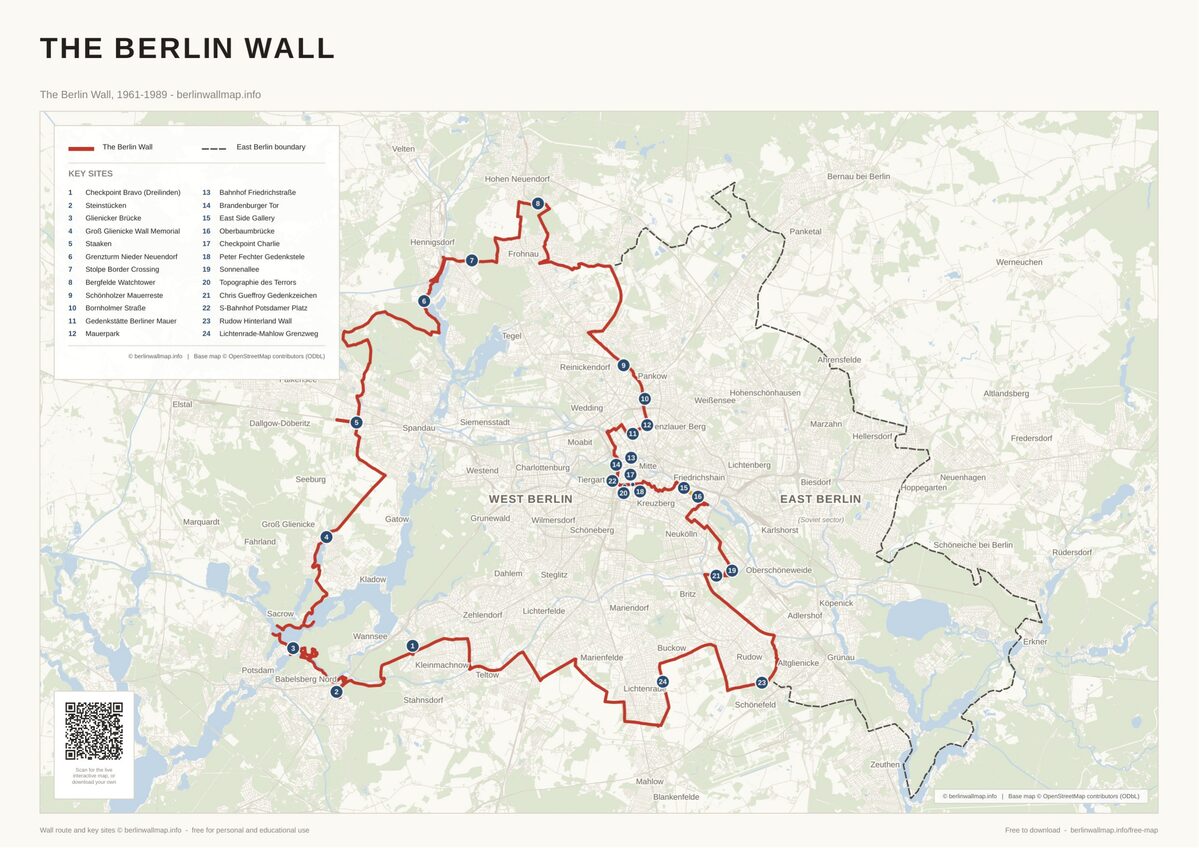
Free map downloads
Free printable PDF maps of the Berlin Wall.
Get the free maps →Explore the Timeline
Journey through Berlin Wall history from 1945 to 1990.
View Timeline →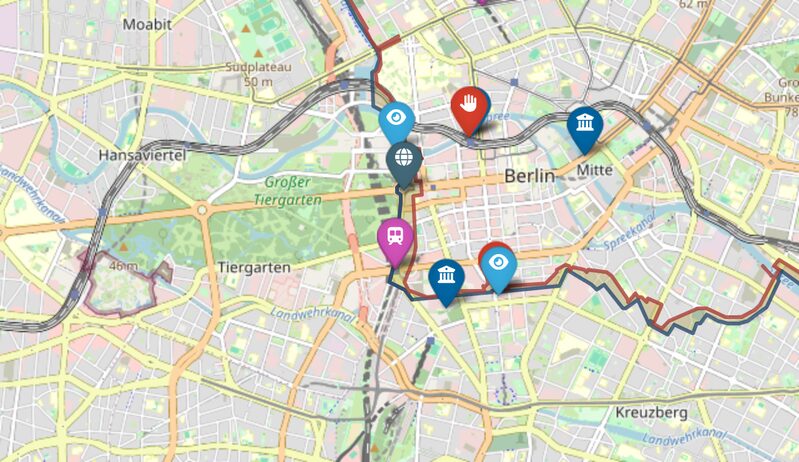
Embed Our Map
Add a free interactive Berlin Wall map to your website or blog.
Get embed code →