
Where to See the Berlin Wall Today
More than three decades after it fell, the Berlin Wall has largely vanished from the city. Of the 155 kilometers of concrete and wire that once encircled West Berlin, only scattered fragments remain. But those fragments – along with memorials, museums, and preserved border installations – tell one of the most powerful stories of the twentieth century. This guide covers every type of Berlin Wall site you can still visit today, organized by category to help you plan your trip.
All of the places mentioned below are marked on our interactive Berlin Wall map, where you can view them by category, plan walking routes, and download GPX files for navigation.
Memorials and Outdoor Monuments
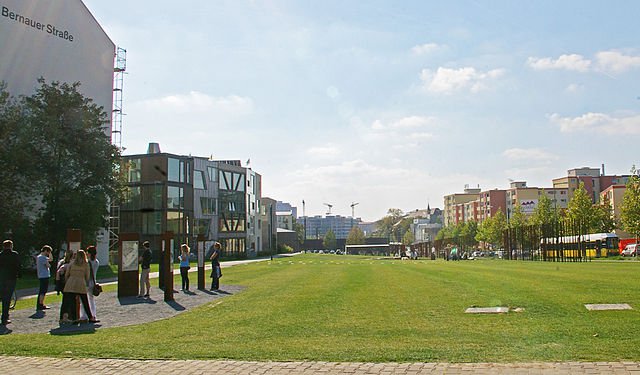
Berlin’s memorials are where history feels most immediate, and most are free to visit at any time.
The Berlin Wall Memorial on Bernauer Straße is the single most important site. It preserves an original section of the border fortifications in their full depth – outer wall, death strip, guard tower foundations, and inner wall – along a 1.4-kilometer outdoor exhibition. The Documentation Centre opposite offers a viewing platform with a bird’s-eye perspective of the former death strip. Start your Berlin Wall exploration here.
Mauerpark sits in the former death strip between Prenzlauer Berg and Wedding. Today it is one of Berlin’s liveliest parks, famous for its Sunday flea market and open-air karaoke, but a stretch of the Hinterlandmauer (inner wall) still lines its western edge. Weiße Kreuze (White Crosses), near the Reichstag, commemorates victims who died trying to cross the River Spree. The Parlament der Bäume nearby is a living memorial combining wall segments with trees and artwork.
Two personal memorials stand out: the Peter Fechter memorial marks the spot near Checkpoint Charlie where an 18-year-old was shot and left to bleed to death in August 1962, and the Chris Gueffroy memorial in Treptow remembers the last person killed trying to cross the Wall, in February 1989.
Border Crossings
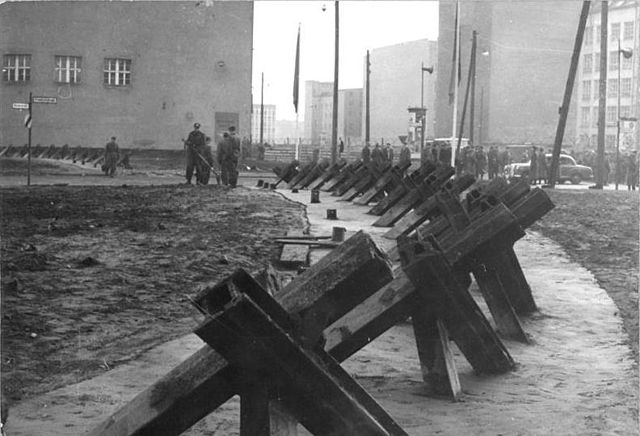
The border crossings were the points where the two Berlins briefly touched. Several of these sites still carry visible traces of the Cold War.
Checkpoint Charlie is the most famous – the Allied crossing point between the American and Soviet sectors. The original guardhouse is in a museum, but a replica stands at the intersection of Friedrichstraße and Zimmerstraße. The area is extremely touristy, but the nearby Mauermuseum has a fascinating collection of escape devices and stories.
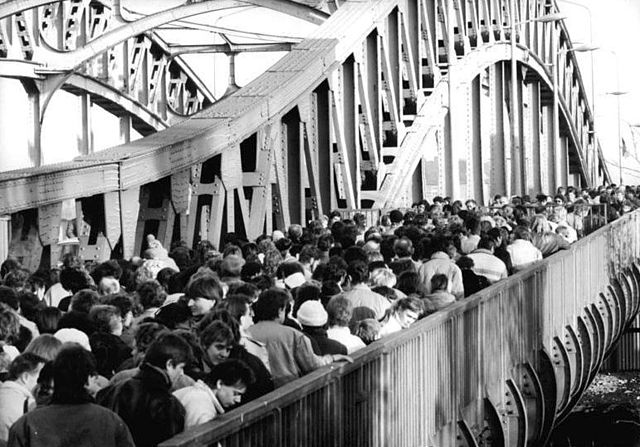
Bornholmer Straße is where the Wall first opened on the evening of November 9, 1989, after border guard Harald Jäger decided to let the crowds through. An outdoor exhibition marks this historic spot. Oberbaumbrücke, the striking double-decker bridge between Kreuzberg and Friedrichshain, served as a pedestrian crossing between East and West and is now one of Berlin’s most photographed landmarks.
Other crossings worth visiting include Bahnhof Friedrichstraße, where the Tränenpalast (Palace of Tears) preserves the departure hall where East Germans said farewell to Western visitors, and Invalidenstraße, a quieter site with information panels along the former crossing point.
Museums
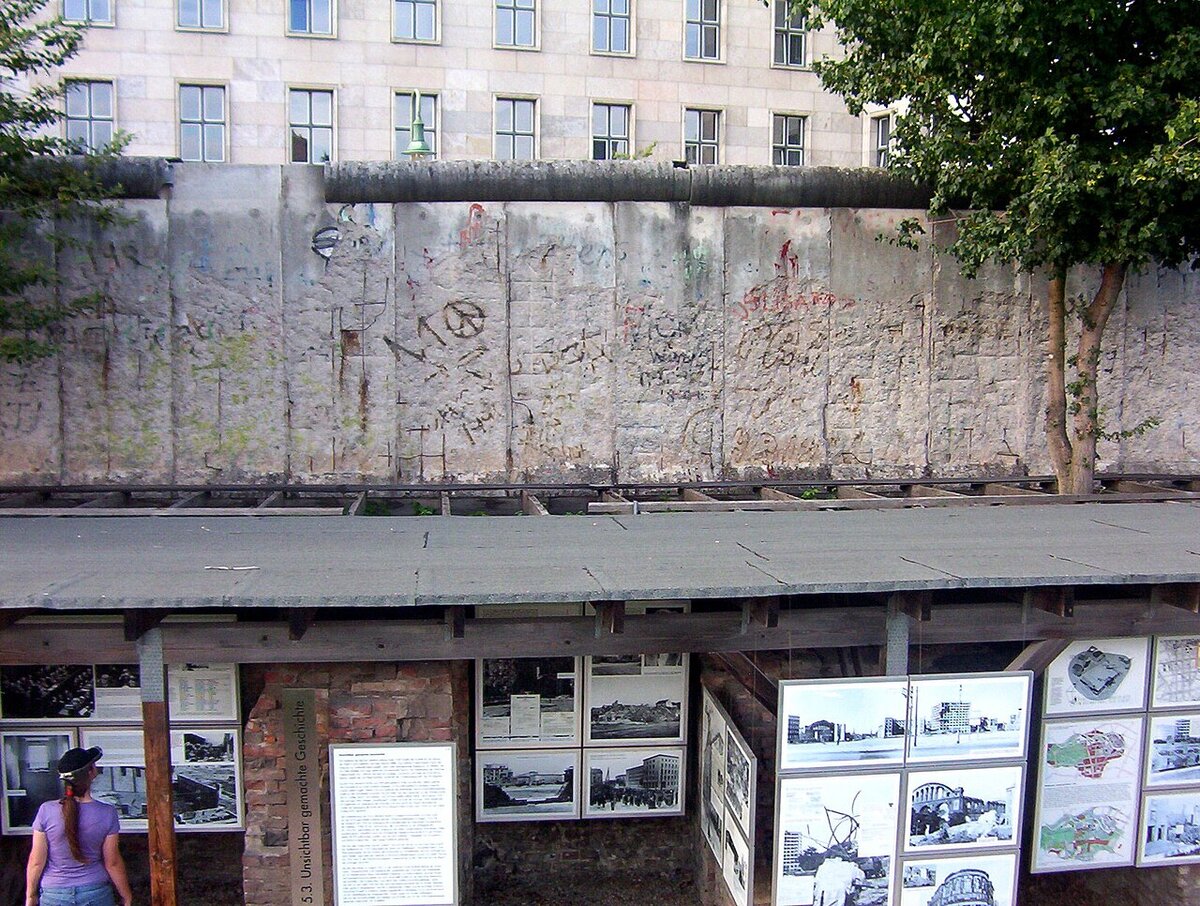
For deeper context, Berlin’s Cold War museums are essential.
The Topographie des Terrors, built on the site of the former Gestapo and SS headquarters, documents the terror apparatus from Nazi Germany through the Cold War. A long stretch of the Berlin Wall runs along its outdoor exhibition. The DDR Museum near Alexanderplatz is interactive and family-friendly, letting you experience a reconstructed East German apartment, sit in a Trabant, and understand daily life under the SED regime.
Hohenschönhausen Memorial, the former Stasi remand prison in Lichtenberg, offers guided tours led by former inmates. It is one of the most powerful and disturbing experiences in Berlin. The Stasi Museum in the former Ministry for State Security headquarters preserves Erich Mielke’s office exactly as he left it.
Wall Segments
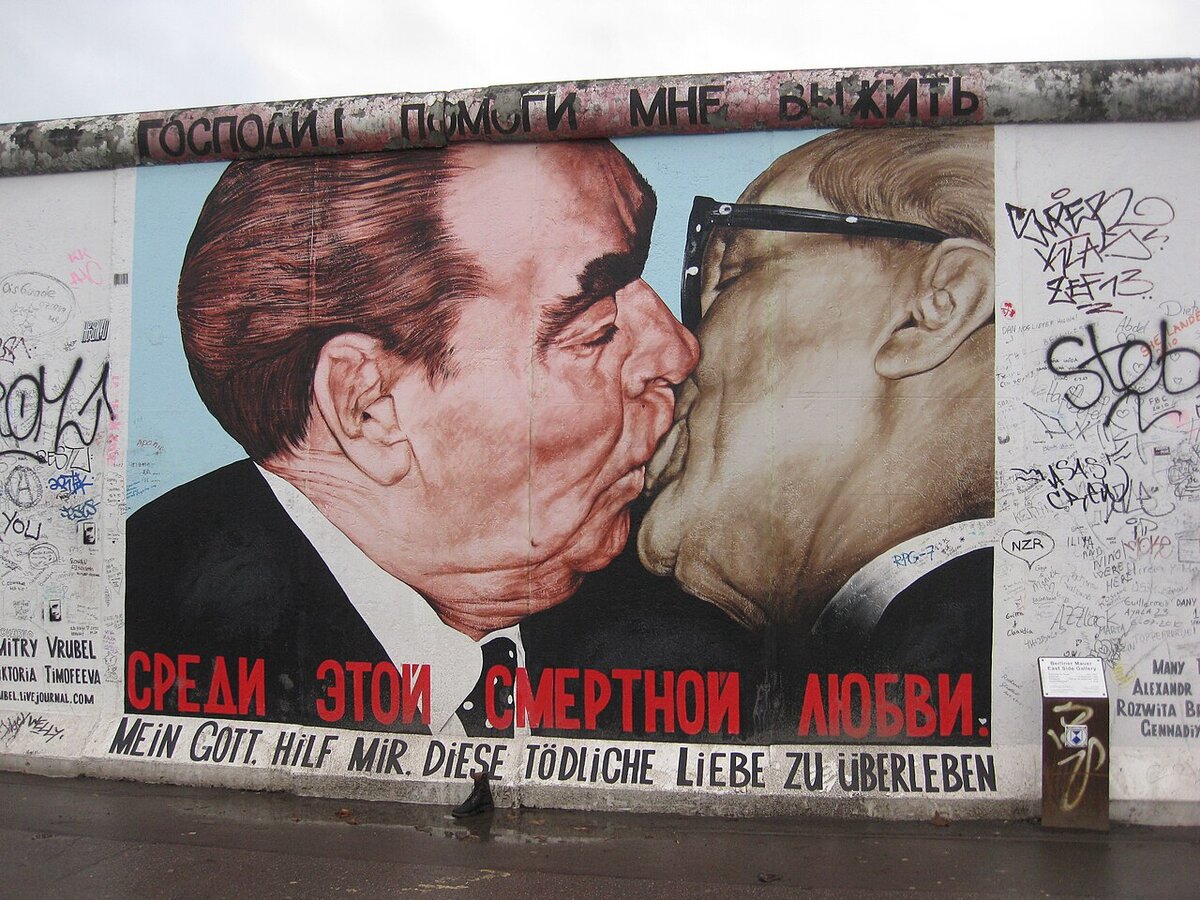
The East Side Gallery is the longest remaining stretch of the Wall – 1.3 kilometers of the Hinterlandmauer (inner wall) along Mühlenstraße in Friedrichshain. After reunification, artists from around the world painted over 100 murals on the eastern face, including Dmitri Vrubel’s famous “Fraternal Kiss” depicting Brezhnev and Honecker. Note that this is the inner wall, not the actual border wall that faced West Berlin – for the “real” fortifications, visit Bernauer Straße.
Smaller wall segments are scattered throughout the city: at Potsdamer Platz, at Niederkirchnerstraße alongside the Topographie des Terrors, and in the grounds of the Bundestag.
Watchtowers
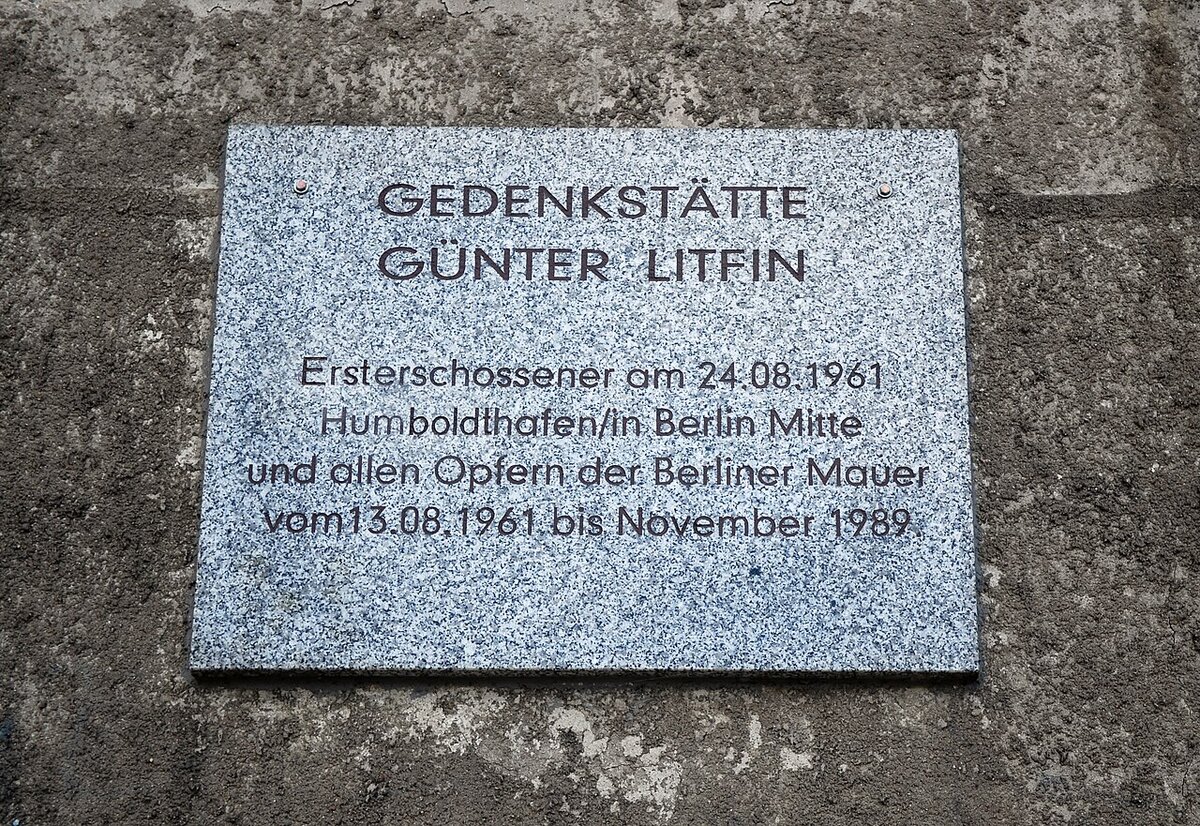
Three watchtowers survive in Berlin. The Gedenkstätte Günter Litfin near the Hauptbahnhof is a command tower preserved as a memorial to Günter Litfin, the first person shot dead at the Wall in August 1961. The Wachturm Erna-Berger-Straße near Potsdamer Platz is one of the few round observation towers left standing. Further out, the Führungsstelle Schlesischer Busch in Treptow is a larger command post that occasionally opens for exhibitions.
Ghost Stations
When the Wall went up in 1961, West Berlin’s U-Bahn and S-Bahn lines that passed under East Berlin were sealed off. Trains rolled through darkened, guarded stations without stopping – the “Geisterbahnhöfe” or ghost stations. Today, Nordbahnhof has a permanent exhibition documenting this surreal chapter, with original signs and photographs. Other former ghost stations on the U8 line – including Bernauer Straße, Rosenthaler Platz, and Weinmeisterstraße – still show traces of their sealed-off years if you look carefully at the tiling and platforms.
Escape Sites
Some of the most dramatic stories of the Wall involve the tunnels dug beneath it. Tunnel 57, near Bernauer Straße, was the most successful escape tunnel – 57 people crawled through it to freedom in October 1964. Tunnel 29, also on Bernauer Straße, was famously documented by NBC News. Information panels at both locations tell the story, and the wider area around Bernauer Straße has several more tunnel sites marked.
Cold War Sites
Beyond the Wall itself, the Cold War left other marks on Berlin. Brandenburg Gate stood in the death strip for 28 years – the most iconic symbol of division. Teufelsberg, an artificial hill in the Grunewald built from wartime rubble, was topped by a US-British listening station that eavesdropped on Soviet communications. The abandoned radomes are now accessible through guided tours. Tempelhof Airport, the hub of the 1948-49 Berlin Airlift, is now a vast public park where the runways are used for cycling, skating, and kite-flying.
Getting Around
Berlin’s public transit (BVG) connects all major Wall sites efficiently. A day ticket (Tageskarte AB, around 9 EUR) covers all buses, trams, U-Bahn, and S-Bahn within the city. Most memorial sites are free. Museums typically charge between 5 and 15 EUR, with some offering concessions.
For the best experience, combine our interactive map with one of the self-guided walking routes – they connect the most important sites in a logical sequence and are available as downloadable GPX files for your phone’s GPS.
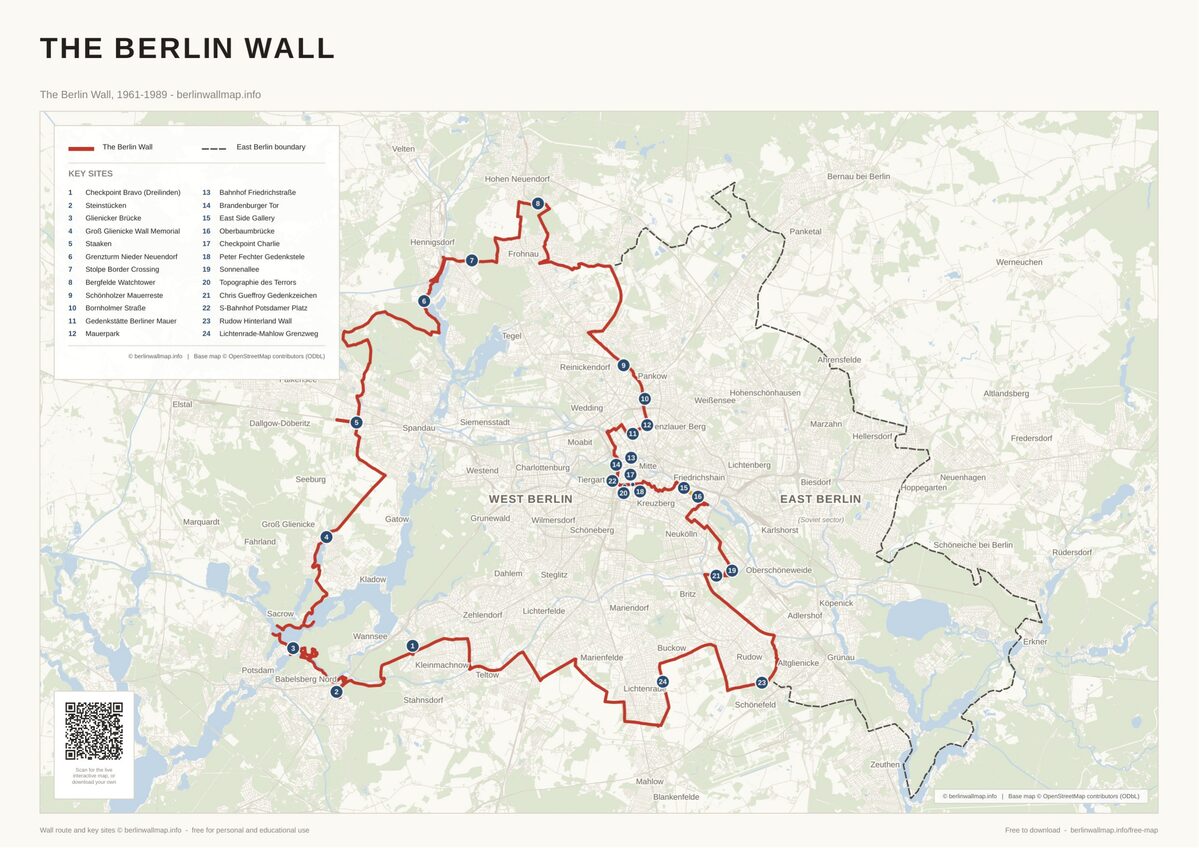
Free map downloads
Free printable PDF maps of the Berlin Wall.
Get the free maps →Explore the Timeline
Journey through Berlin Wall history from 1945 to 1990.
View Timeline →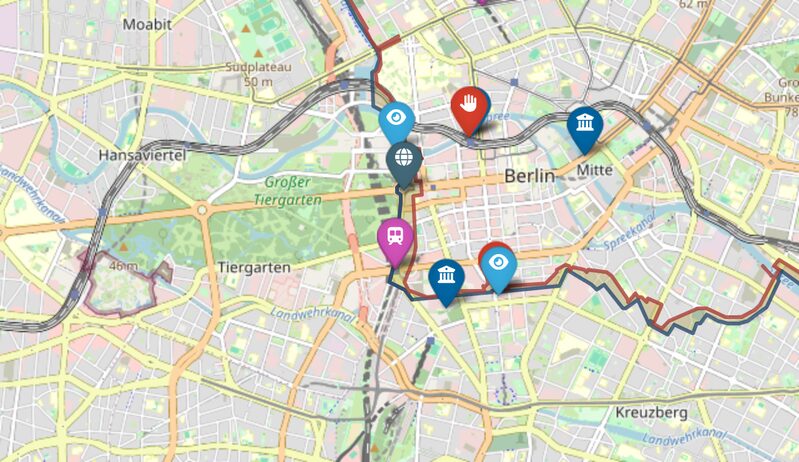
Embed Our Map
Add a free interactive Berlin Wall map to your website or blog.
Get embed code →