Crossing the Berlin Wall: Checkpoints and Border Crossings
For twenty-eight years the Berlin Wall turned a single city into two, and the only way through it was a handful of guarded gates. Most Berliners could not use them at all. A West German with the right papers, a foreign tourist, an Allied soldier, a diplomat – each had a different crossing, a different set of rules, and a different reception on the far side. For the West Berliners whose parents, children and friends now lived a few streets away in the East, the gates were shut completely for more than two years, until a fragile set of agreements known as the Passierscheinabkommen reopened them for a few days at a time. This is how crossing the Wall actually worked: the checkpoints, the paperwork, the forced exchange of money, and the tearful goodbyes at the Palace of Tears.
A Border With Very Few Doors
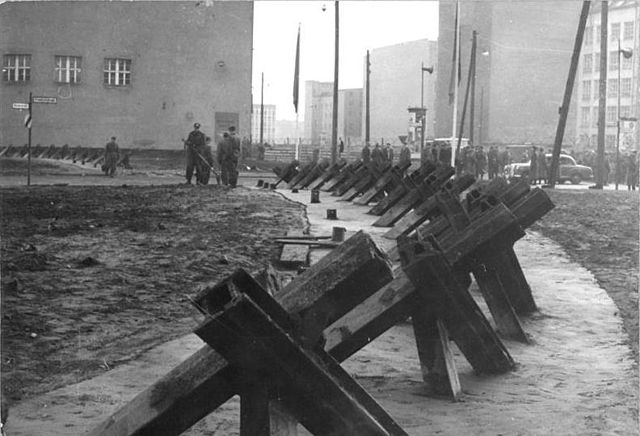
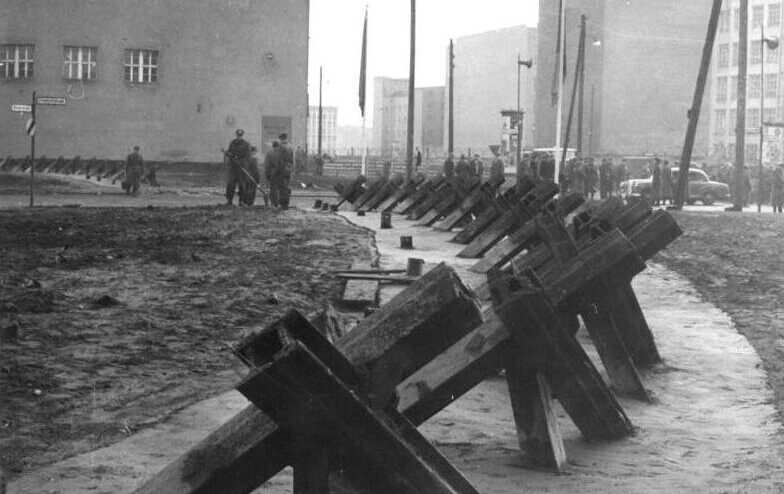
When the border was sealed on 13 August 1961, the dozens of streets, bridges and rail lines that had stitched the two halves of Berlin together were cut almost overnight. In their place the East German authorities left a small number of official Grenzübergangsstellen (border crossing points, or GÜSt for short). Which gate you could use depended entirely on which passport you carried.
Foreigners and Allied personnel were funnelled through Checkpoint Charlie. West Germans from the Federal Republic used crossings such as Heinrich-Heine-Straße. West Berliners, once they were allowed across at all, had their own gates at Chausseestraße, Sonnenallee, Invalidenstraße and the pedestrian bridge at Oberbaumbrücke. Goods and long-distance travellers bound for West Germany passed through transit checkpoints on the city’s edge, like Checkpoint Bravo at Dreilinden. East Germans, with very few exceptions, could not cross at all.
Checkpoint Charlie: The Allied Crossing
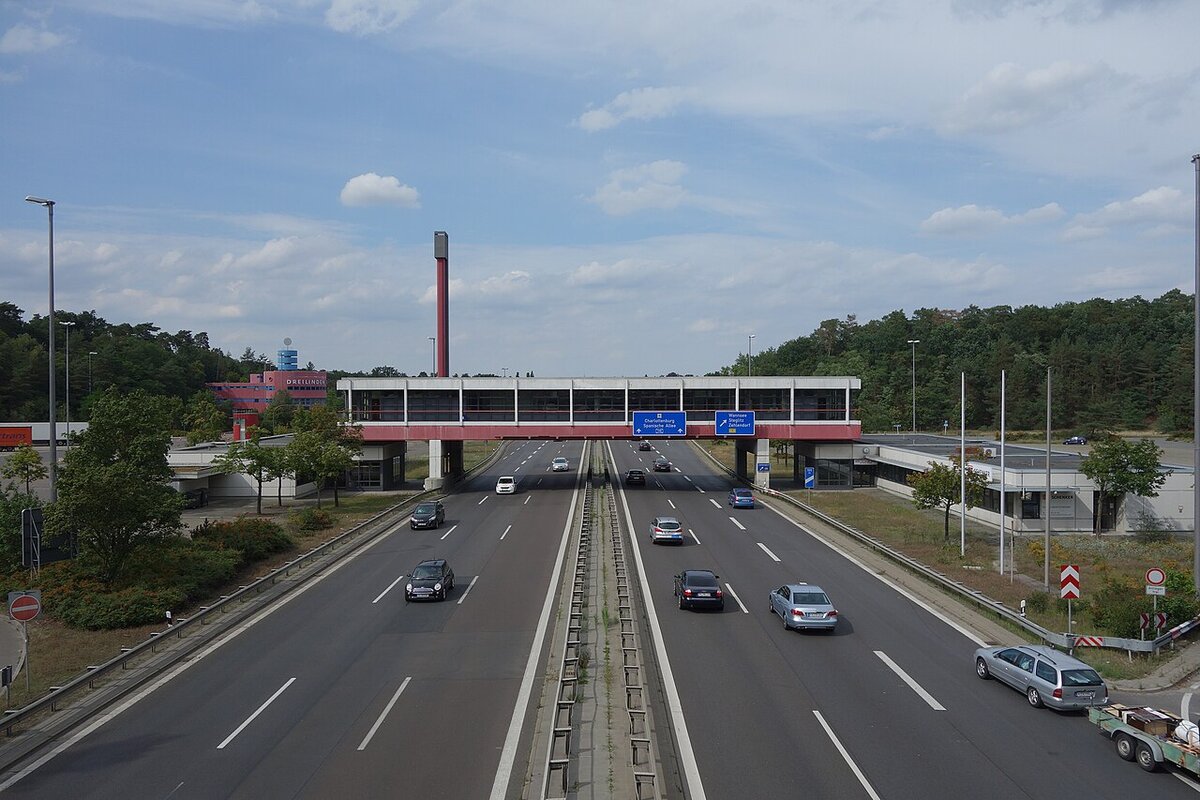
The most famous crossing was never meant for ordinary Germans. Checkpoint Charlie, on Friedrichstraße, was the city-centre crossing reserved for the Western Allies, for diplomats and for foreign visitors. Its odd name comes from the NATO phonetic alphabet: it was simply the third Allied checkpoint on the route from West Germany, after Checkpoint Alpha (at Helmstedt-Marienborn on the inner-German border, some 160 kilometres west of Berlin, where the transit autobahn from the Federal Republic entered East Germany) and Checkpoint Bravo at Dreilinden, on the southwestern edge of West Berlin.
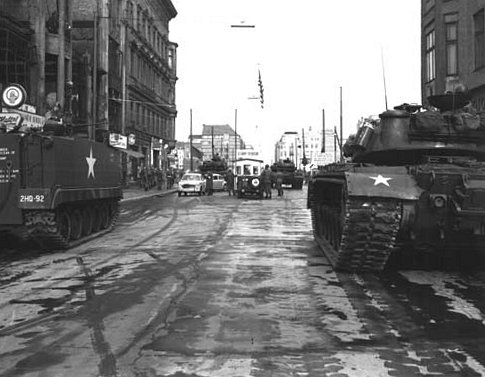
For sixteen tense hours in October 1961, Checkpoint Charlie was the most dangerous place on earth. A dispute over whether East German guards could check the papers of American officials brought ten US tanks and ten Soviet tanks nose to nose across the white line, the only direct armoured confrontation of the Cold War in Berlin. Both sides eventually reversed away. For the next three decades the checkpoint kept its aura as the backdrop for spy exchanges, defections and films, and today it is one of the busiest tourist spots in the city, complete with a reconstructed guard hut and the open-air Wall exhibitions around it.
The Other Crossings Around the City
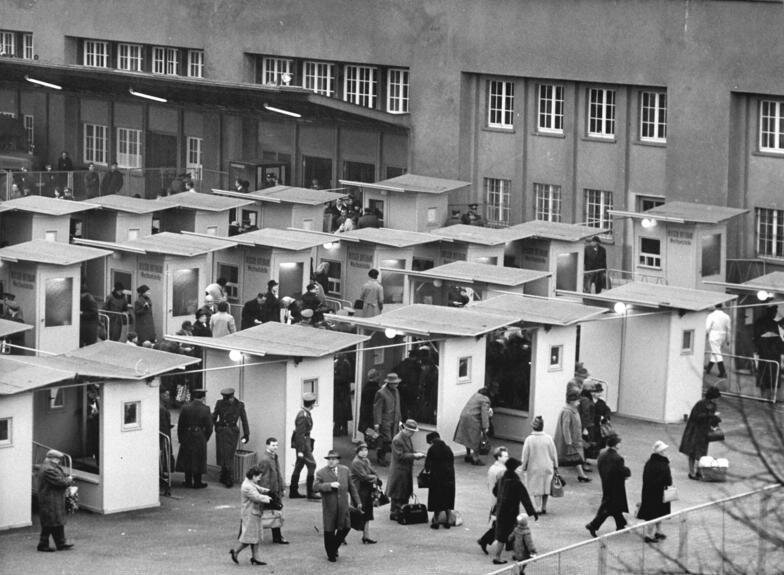
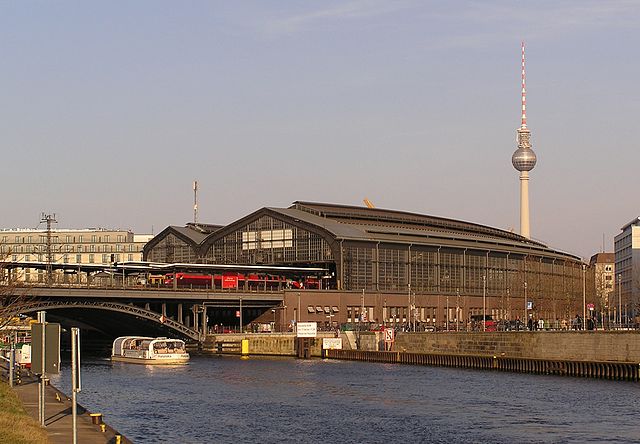
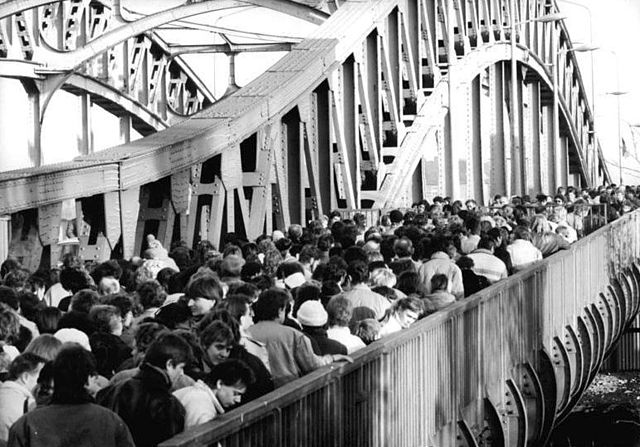
Away from the cameras, the working crossings of the divided city each had their own character. Bahnhof Friedrichstraße was the strangest of all: a railway station inside East Berlin where Western and Eastern passengers were kept apart by a maze of corridors and glass, so that travellers from the two systems could share a platform without ever meeting. Bornholmer Straße, where the Wall ran across the Bösebrücke, handled West German and West Berlin traffic – and would earn its place in history in 1989. Crossings like Sonnenallee and Chausseestraße served West Berliners on day visits, while Heinrich-Heine-Straße handled West German citizens and freight. The Oberbaumbrücke, today a striking red-brick bridge full of cyclists, was then a pedestrian-only crossing between Kreuzberg and Friedrichshain.
Papers, Searches and the Forced Exchange
Crossing in either direction was a slow, deliberate ordeal, designed as much to intimidate as to control. The officers who checked passports were not the regular border troops but members of the Passkontrolleinheiten, the passport control units, who were in fact Stasi officers wearing border-guard uniforms. They worked behind one-way glass, comparing faces to photographs, sliding documents away to be stamped out of sight, and letting silences stretch.
Vehicles were searched with mirrors rolled underneath, seats lifted and boots emptied; some crossings had inspection pits so a car could be examined from below. And every Western visitor paid for the privilege of entering. Under the Zwangsumtausch, the compulsory minimum exchange, each visitor had to change a fixed sum of West German marks into East German marks at a punishing one-to-one rate – by 1980, twenty-five marks for every day of the visit – and could carry none of it back out. For families crossing to see relatives, the controls and the forced exchange turned every visit into a small act of endurance.
The Passierscheinabkommen: A Door Briefly Opened
The cruelty of the new border fell hardest on West Berliners. After August 1961, while West Germans and foreigners could still cross with the right papers, West Berliners were barred from East Berlin altogether – unable to visit the parents, children and friends who lived a tram ride away. For more than two years there was no legal way across at all.
That changed at Christmas 1963. After difficult negotiations between the West Berlin Senate and the East German government, the first Passierscheinabkommen (pass agreement) was signed on 17 December 1963. For eighteen days, from just before Christmas until early January, West Berliners could apply for a Passierschein, a day pass, to visit relatives in the East. The response was overwhelming: more than a million border crossings were made in those few weeks, as families separated for over two years sat down together again for a single afternoon before the evening deadline sent the Western visitors home.
Three more agreements followed in 1964, 1965 and 1966, each opening the gates for limited periods. They were always fragile, snagged on the East’s demand to be recognised as a sovereign state, and after 1966 they lapsed. Regular, predictable visits only returned in the early 1970s, when the Four Power Agreement and the inner-German treaties of Ostpolitik finally put cross-border travel on a permanent footing. But for a few days each year in the mid-1960s, the Passierschein had proved that the Wall, however brutal, was not entirely beyond negotiation.
The Palace of Tears
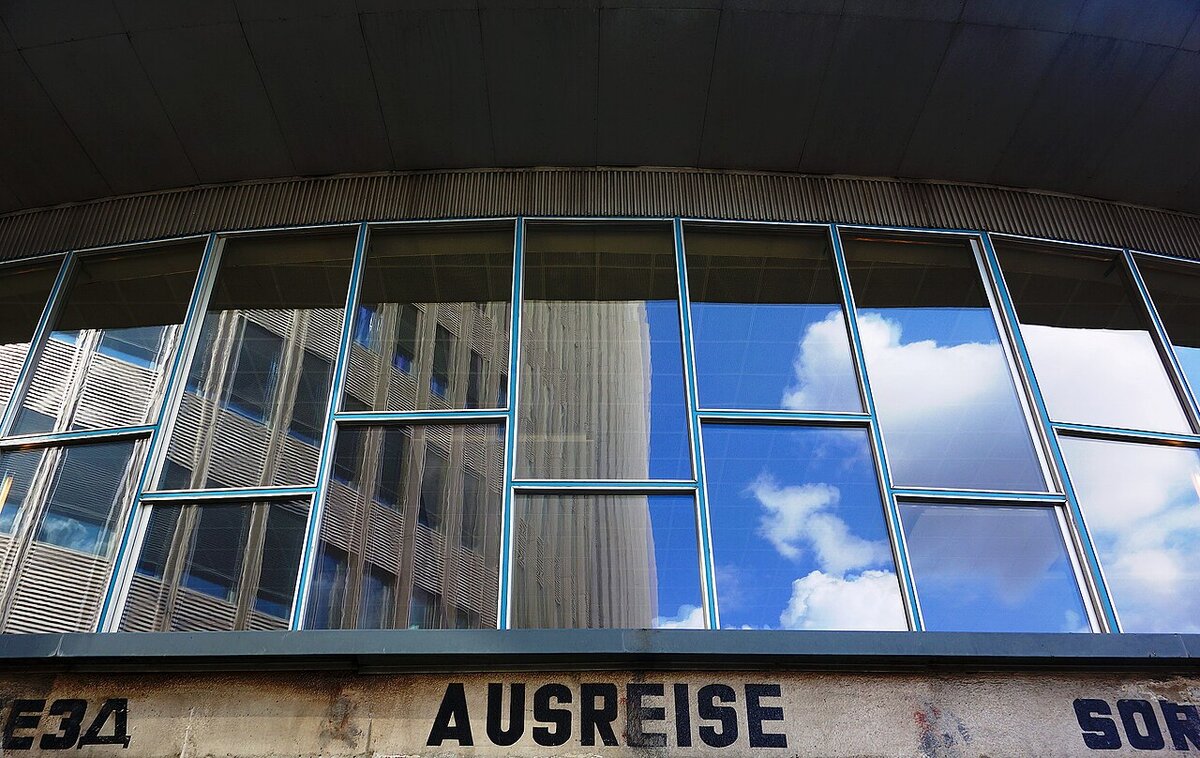
No building captures the human cost of the crossings better than the Tränenpalast, the “Palace of Tears”. Built in 1962 beside Bahnhof Friedrichstraße, this airy hall of glass and steel was the departure terminal where travellers leaving East Berlin for the West passed through passport control. Its bitter nickname came from the scenes at its doors: East Berliners could come this far to see off Western relatives and friends but could go no further, and the building became the city’s great theatre of goodbyes – embraces, tears, and a final wave before the barrier.
Today the Tränenpalast is preserved as a free museum. Its exhibition, “GrenzErfahrungen” (Border Experiences), leads you through the original control booths, passport desks and luggage counters, telling the story of division from the traveller’s side of the glass. It is one of the most moving and least crowded Wall-era sites in central Berlin.
The Night the Barriers Opened
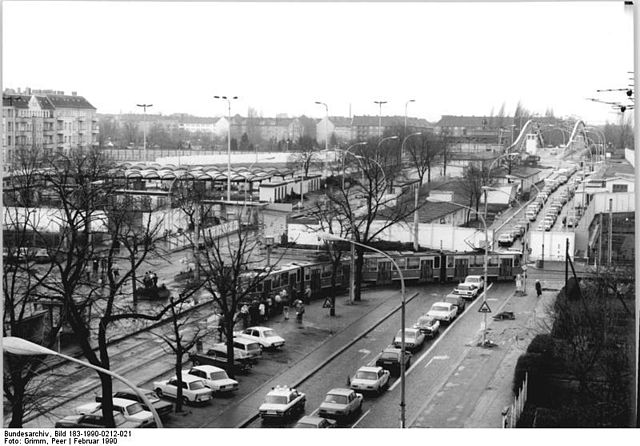
The crossings that had controlled the city for decades came undone in a single night. On the evening of 9 November 1989, a fumbled government announcement suggested that East Germans could travel west “immediately”. Crowds gathered at the gates, and the largest of all formed at Bornholmer Straße. The officers there had no orders and could reach no one who did. Shortly before midnight, overwhelmed and unwilling to open fire on his own people, the passport-control officer Harald Jäger lifted the barrier and let the crowd flood across the Bösebrücke – the first crossing of the Berlin Wall to open. Within hours every checkpoint in the city had given way, and the careful machinery of passes, stamps and forced exchange was swept aside for good. You can follow that night, and the years that led to it, on our Berlin Wall history timeline.
Visiting the Crossing Sites Today
The crossings are among the easiest Wall sites to weave into a day in central Berlin. Checkpoint Charlie on Friedrichstraße is the obvious starting point, with its reconstructed hut and open-air exhibitions, though it is also the most commercial. A short walk or one U-Bahn stop away, the Tränenpalast at Friedrichstraße station offers a quieter, deeper experience and is free to enter. For the moment the Wall fell, ride the S-Bahn to Bornholmer Straße, where information panels and a line of trees mark the spot where the barrier first lifted. The Oberbaumbrücke is now a lovely crossing on foot between Kreuzberg and Friedrichshain, a few steps from the East Side Gallery. All of these places, and every other crossing, memorial and watchtower of the divided city, are plotted on our interactive Berlin Wall map.
Frequently Asked Questions
What was Checkpoint Charlie?
Checkpoint Charlie was the Allied border crossing on Friedrichstraße, reserved for foreign visitors, diplomats and Allied military personnel rather than ordinary Germans. Its name comes from the NATO phonetic alphabet – it was the third Allied checkpoint (Charlie) after Alpha and Bravo. In October 1961 it was the scene of a tense standoff between American and Soviet tanks.
What was the Passierscheinabkommen?
The Passierscheinabkommen were “pass agreements” between the West Berlin Senate and East Germany, beginning on 17 December 1963, that briefly allowed West Berliners to apply for day passes (Passierscheine) to visit relatives in East Berlin. Before them, West Berliners had been barred from the East entirely since the Wall went up in 1961. Four such agreements ran between 1963 and 1966.
Did you have to pay to cross into East Berlin?
Yes. Western visitors had to make a compulsory minimum exchange of money, the Zwangsumtausch, swapping a fixed sum of West German marks for East German marks at a one-to-one rate. By 1980 the amount was twenty-five marks for each day of the visit, and the East German currency could not be taken back out.
Why is it called the Palace of Tears?
The Tränenpalast at Bahnhof Friedrichstraße was the hall where travellers left East Berlin for the West. East Berliners could accompany Western friends and relatives only as far as its doors before saying goodbye, and the tearful farewells there gave the building its nickname. It is now a free museum about the divided city.
Which border crossing opened first when the Wall fell?
Bornholmer Straße, on the Bösebrücke, was the first crossing to open on the night of 9 November 1989, when officer Harald Jäger raised the barrier shortly before midnight and let the crowds through. The other checkpoints followed within hours.
Trace every checkpoint, memorial and watchtower of the divided city on our interactive Berlin Wall map, or read more daring escape stories and the full history of the Berlin Wall.
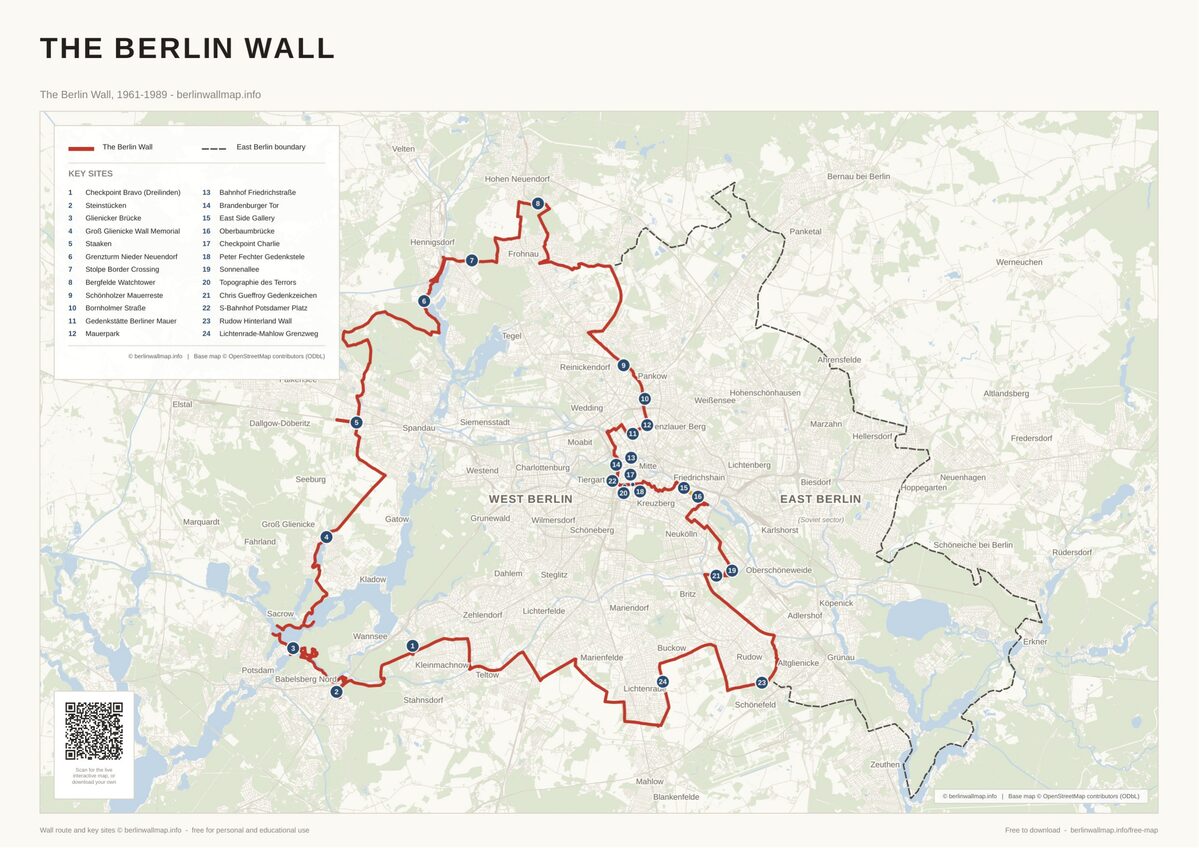
Free map downloads
Free printable PDF maps of the Berlin Wall.
Get the free maps →Explore the Timeline
Journey through Berlin Wall history from 1945 to 1990.
View Timeline →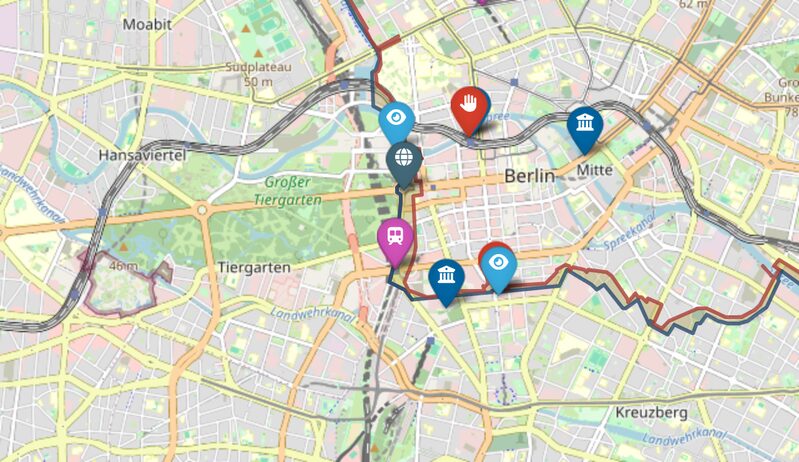
Embed Our Map
Add a free interactive Berlin Wall map to your website or blog.
Get embed code →