What was life like in East Berlin?
Life in East Berlin was defined by the tension between the state’s promise of socialist equality and the reality of surveillance, shortages, and restricted freedom.
The East German government provided free healthcare, education, and heavily subsidised housing and basic goods. Rents were frozen at 1936 levels, and bread, milk, and public transport were extremely cheap. Childcare was universally available, enabling one of the highest rates of female employment in the world.
But the trade-offs were severe. The Stasi (Ministry for State Security) maintained an extensive surveillance operation. At its peak, it employed 91,000 full-time staff and an estimated 189,000 informal collaborators, roughly 1 in 63 East Germans was reporting on their neighbours, colleagues, or even family members.
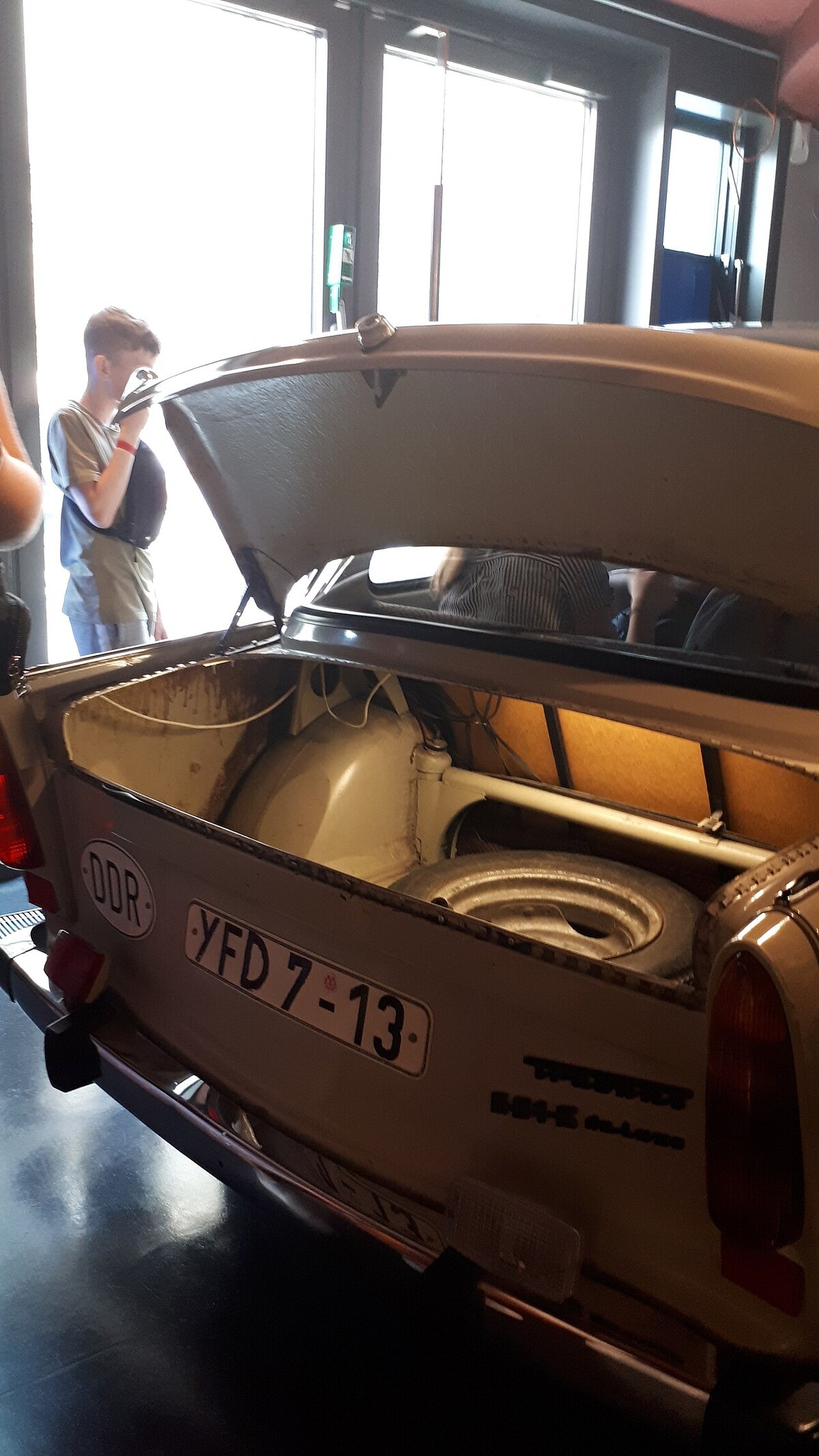
Consumer goods were scarce and of poor quality. The Trabant, the iconic East German car, had a waiting list of 10 to 15 years. Bananas and coffee were luxuries. Western products, when available on the black market, commanded enormous premiums.
Travel was the most painful restriction. East Berliners could see the lights and television broadcasts of West Berlin but could not visit. The Wall was a constant, inescapable presence, visible from apartment windows, blocking familiar streets, separating families. Pensioners were the only group routinely allowed to visit the West, as the regime calculated they were unlikely to defect and would return for their pensions.
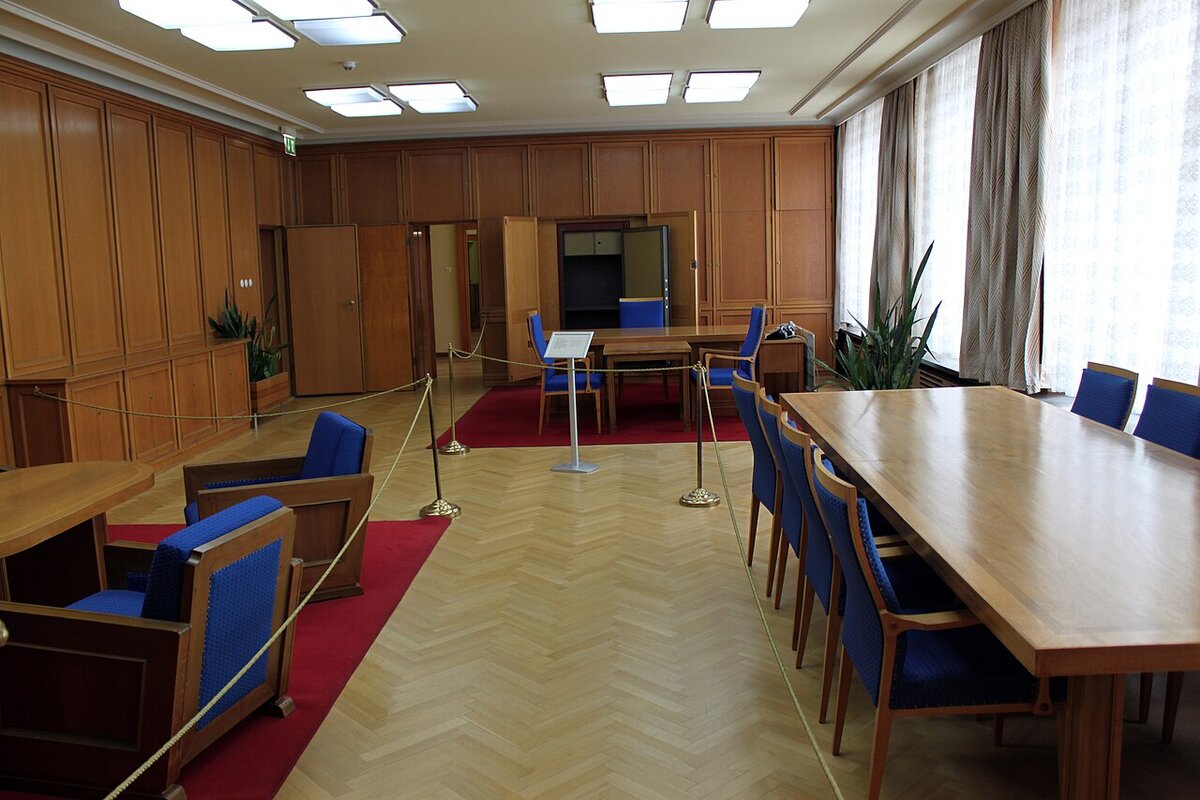
The DDR Museum in Berlin offers an immersive look at daily life in East Germany, including a reconstructed apartment, a Trabant you can sit in, and exhibits on the education system, media censorship, and state-organised holidays.
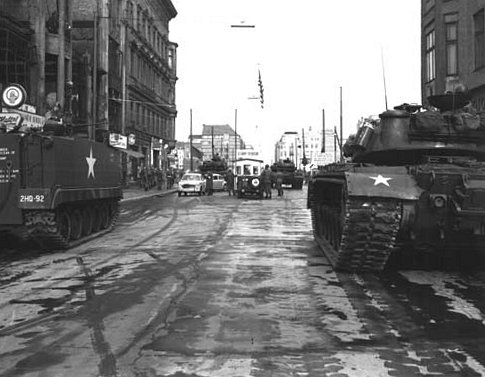
Checkpoint Charlie
East Side Gallery
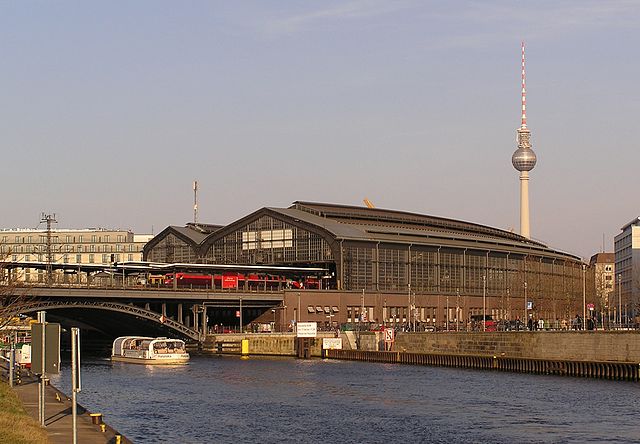
Bahnhof Friedrichstraße
History of the Berlin Wall: A Complete Guide (1961-1989)
65 Years Ago: US and Soviet Tanks Faced Off at Checkpoint Charlie
The Border Guards of the Berlin Wall: Conscripts, the Order to Shoot, and the Trials That Followed
9 November in Berlin: 37 Years Since the Wall Fell, and What’s On
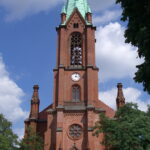
Gethsemanekirche
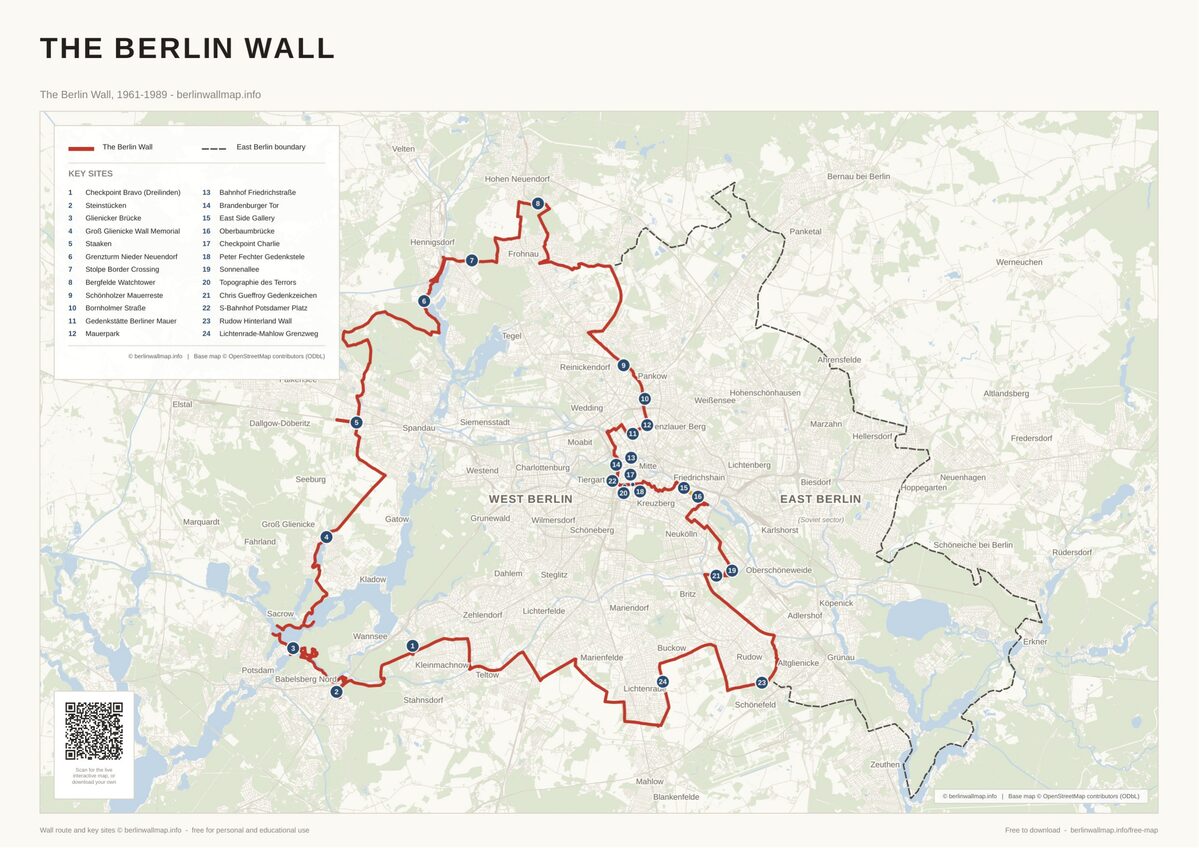
Free map downloads
Free printable PDF maps of the Berlin Wall.
Get the free maps →Explore the Timeline
Journey through Berlin Wall history from 1945 to 1990.
View Timeline →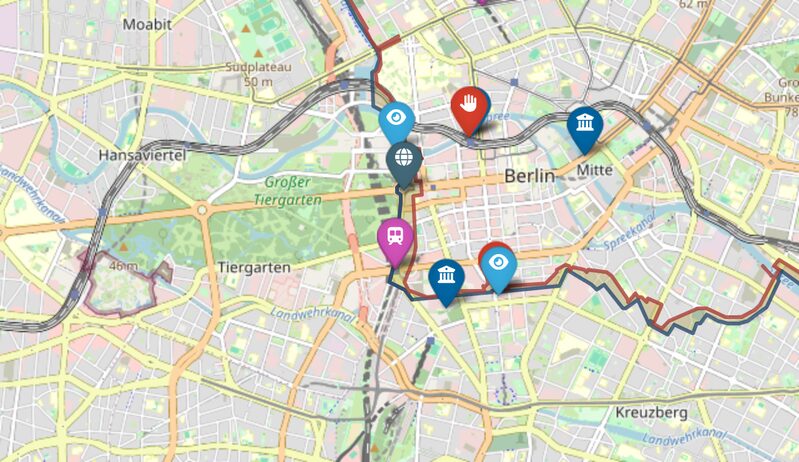
Embed Our Map
Add a free interactive Berlin Wall map to your website or blog.
Get embed code →