25 Facts About the Berlin Wall You Should Know
The Berlin Wall stood for 28 years, dividing a city, a nation, and a continent. From its sudden construction in August 1961 to its dramatic fall in November 1989, the Wall became the most powerful symbol of the Cold War. Whether you’re planning a visit to Berlin or exploring from afar, here are 25 facts about the Berlin Wall that reveal the full scope of its history.
Construction and Structure
-
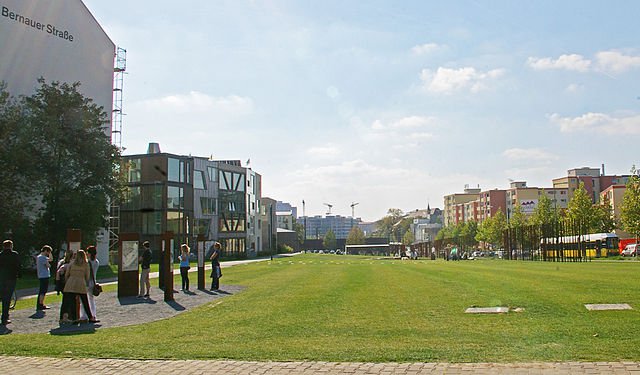
The Wall went up overnight. On the night of August 12-13, 1961, East German soldiers began laying barbed wire and concrete posts along the border. Berliners woke up on Sunday morning to find their city divided. Within days, a crude concrete block wall replaced the wire.
-
There were actually two walls. The Berlin Wall was not a single barrier but a complex system. An outer wall faced West Berlin, an inner wall faced East Berlin, and between them lay the “death strip”, a heavily guarded no-man’s land 30 to 150 meters wide. You can see the remains of this system at the Gedenkstätte Berliner Mauer.
-
The Wall was 155 kilometers (96 miles) long. It encircled all of West Berlin, not just the border between East and West Berlin. About 43 kilometers divided the city itself, while the remaining 112 kilometers cut off West Berlin from the surrounding East German countryside.
-
It went through four generations of design. The final version, known as the “Grenzmauer 75” (Border Wall 75), consisted of 45,000 reinforced concrete segments, each 3.6 meters tall and 1.2 meters wide, topped with a smooth pipe to prevent people from gaining a handhold.
-
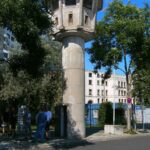
Over 300 watchtowers lined the Wall. East German border guards maintained constant surveillance from these towers. One of the last surviving examples is the watchtower near Potsdamer Platz, now a protected monument.
-
The death strip contained anti-vehicle trenches, trip wires, and guard dog runs. In some sections, spring-loaded guns (Selbstschussanlagen) were installed that fired automatically when triggered by a wire. These were eventually removed after international outcry.
Life Under the Wall
-
The Wall separated roughly 3.5 million people in West Berlin from 1.2 million in East Berlin. Families were torn apart, sometimes for decades. Some could see their relatives’ apartment buildings from across the border but could not visit them.
-
West Berliners could visit East Berlin, but East Berliners generally could not cross west. Starting in 1963, limited agreements allowed West Berliners to visit relatives in the East during holidays. East Germans had to wait until retirement age. 65 for men, 60 for women, to be granted travel permission westward.
-
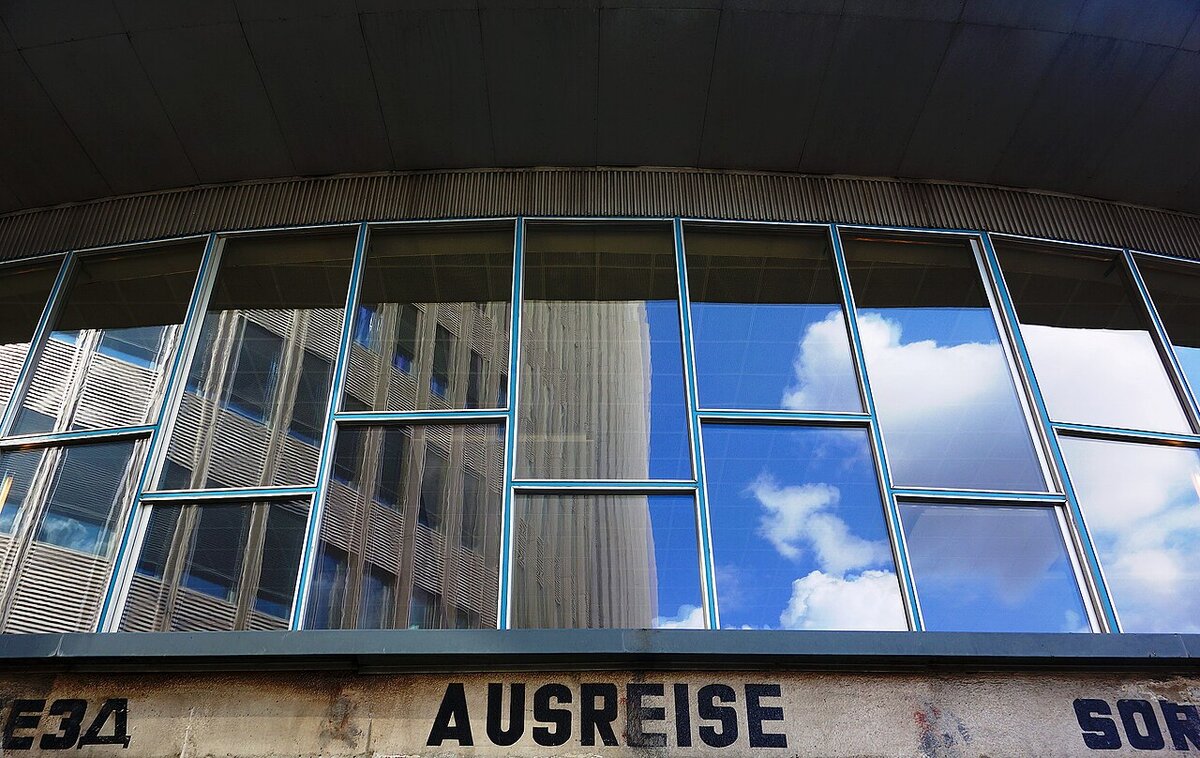
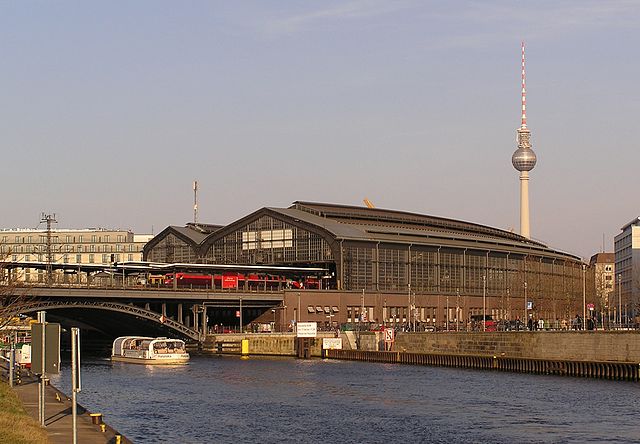
The Tränenpalast (Palace of Tears) got its name from tearful goodbyes. This border crossing building at Friedrichstraße station was where East and West Germans parted after brief visits, often unsure when, or if, they would see each other again.
-
East German secret police (Stasi) employed 91,000 full-time officers and an estimated 189,000 civilian informants by 1989. Their surveillance apparatus was one of the largest in the world, as documented at the Stasi Museum and Hohenschönhausen memorial.
-
West Berlin became a cultural island. Cut off from its hinterland, West Berlin developed a unique counterculture. Young West German men moved there to avoid military conscription (West Berlin was exempt), fueling a vibrant arts and music scene.
Escape Attempts
-
More than 5,000 people successfully escaped across the Berlin Wall. They used tunnels, hot air balloons, modified cars, zip lines, and even a homemade submarine. The ingenuity of these escapes was extraordinary.
-
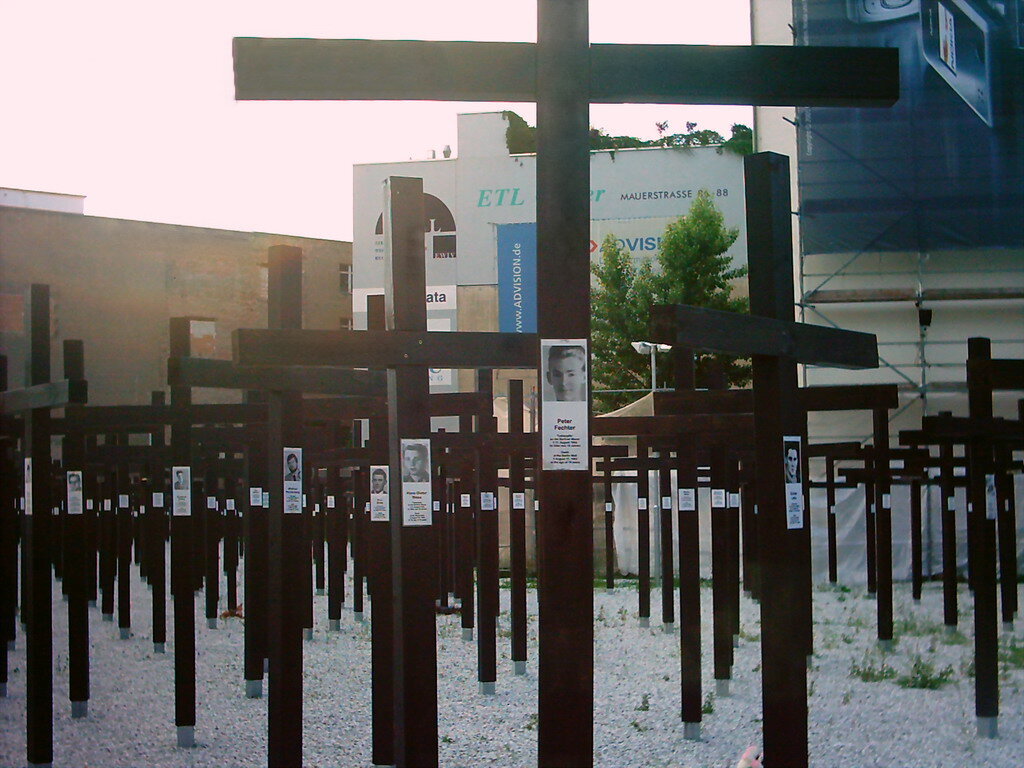
At least 140 people died trying to cross the Wall. The exact number remains disputed, with some researchers citing figures above 200. Peter Fechter, an 18-year-old bricklayer shot and left to bleed to death in the death strip in 1962, became one of the most tragic symbols of the Wall’s brutality.
-
Chris Gueffroy was the last person shot dead at the Wall. On February 5, 1989, the 20-year-old was killed trying to cross near the Britz district canal, just nine months before the Wall fell.
-
Tunnel 57 was the most successful escape tunnel. In October 1964, a tunnel dug from West to East Berlin enabled 57 people to crawl to freedom over two nights before it was discovered.
-
Tunnel 29 became internationally famous when NBC News secretly filmed the 1962 escape of 29 people through a tunnel under Bernauer Straße. The resulting documentary was one of the most-watched broadcasts of its era.
The Fall
-
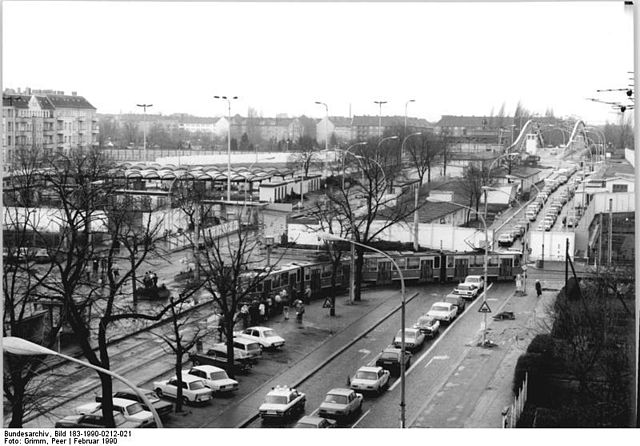
The Wall fell because of a bureaucratic blunder. On November 9, 1989, East German spokesman Günter Schabowski mistakenly announced that new travel regulations would take effect “immediately, without delay.” Thousands of East Berliners flooded to the checkpoints, and overwhelmed guards opened the gates.
-
Bornholmer Straße was the first crossing to open. Border guard Harald Jäger, faced with a swelling crowd and no clear orders, made the historic decision to raise the barrier at 11:30 p.m. on November 9, 1989.
-
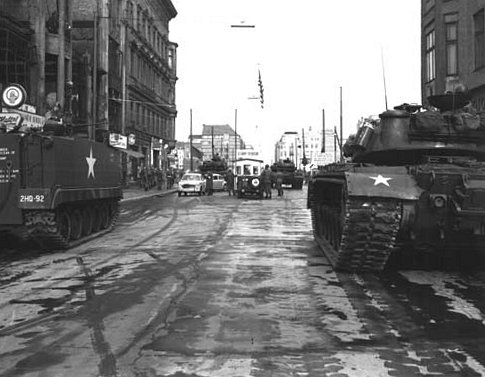
Checkpoint Charlie was the most famous crossing point but was reserved for foreigners, diplomats, and Allied military personnel. It was the site of a dramatic U.S.-Soviet tank standoff in October 1961.
-
The Brandenburg Gate was not actually a border crossing. Despite its iconic status, the gate stood in the death strip and was inaccessible from both sides. It became the main site for reunification celebrations on December 22, 1989, when the crossing was finally opened there.
-
The Glienicker Brücke (Bridge of Spies) was used for Cold War spy exchanges. Three high-profile swaps took place on this bridge between Potsdam and West Berlin, including the 1962 exchange of U-2 pilot Francis Gary Powers for Soviet spy Rudolf Abel.
After the Wall
-
The Wall was demolished astonishingly fast. Official demolition began in June 1990 and was largely complete by November 1991. East German border troops and later the German military did most of the work, while civilians, known as “Mauerspechte” (wall woodpeckers), chipped away pieces as souvenirs.
-
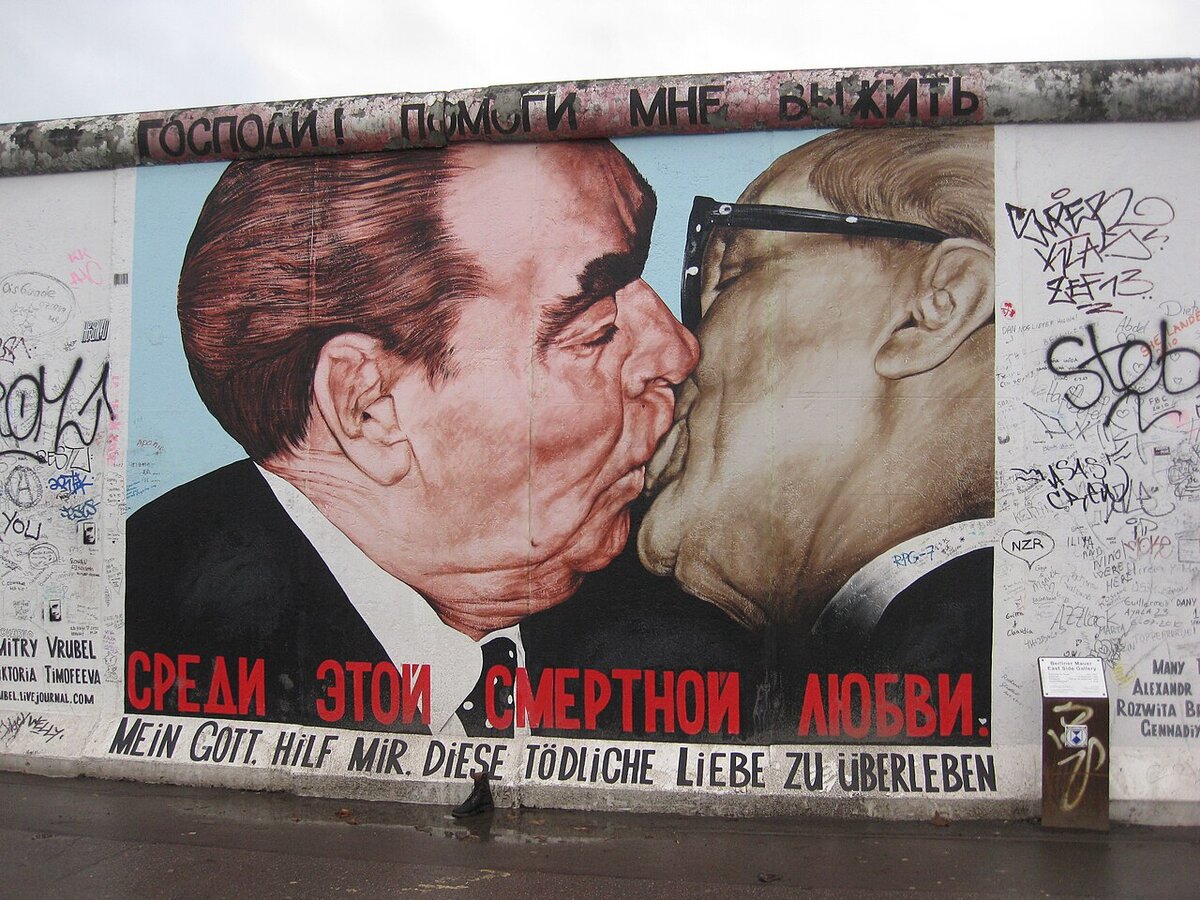
The East Side Gallery is the longest surviving stretch of the Wall. This 1.3-kilometer section along Mühlenstraße was painted by 118 artists from 21 countries in 1990, making it the largest open-air gallery in the world.
-
A double row of cobblestones marks the Wall’s path through the city center. Where the physical Wall has vanished, this subtle line in the pavement traces the former border. You can follow it across the interactive map and on foot through Berlin.
-
Reunification cost over 2 trillion euros. The economic integration of East and West Germany was far more expensive and slower than anyone predicted. Differences in wages, infrastructure, and economic output between eastern and western Germany persist to this day, though the gap has narrowed significantly. Explore more Berlin Wall history at our facts and places pages.
Checkpoint Charlie
East Side Gallery
Bahnhof Friedrichstraße
History of the Berlin Wall: A Complete Guide (1961-1989)
65 Years Ago: US and Soviet Tanks Faced Off at Checkpoint Charlie
The Border Guards of the Berlin Wall: Conscripts, the Order to Shoot, and the Trials That Followed
9 November in Berlin: 37 Years Since the Wall Fell, and What’s On
Gethsemanekirche
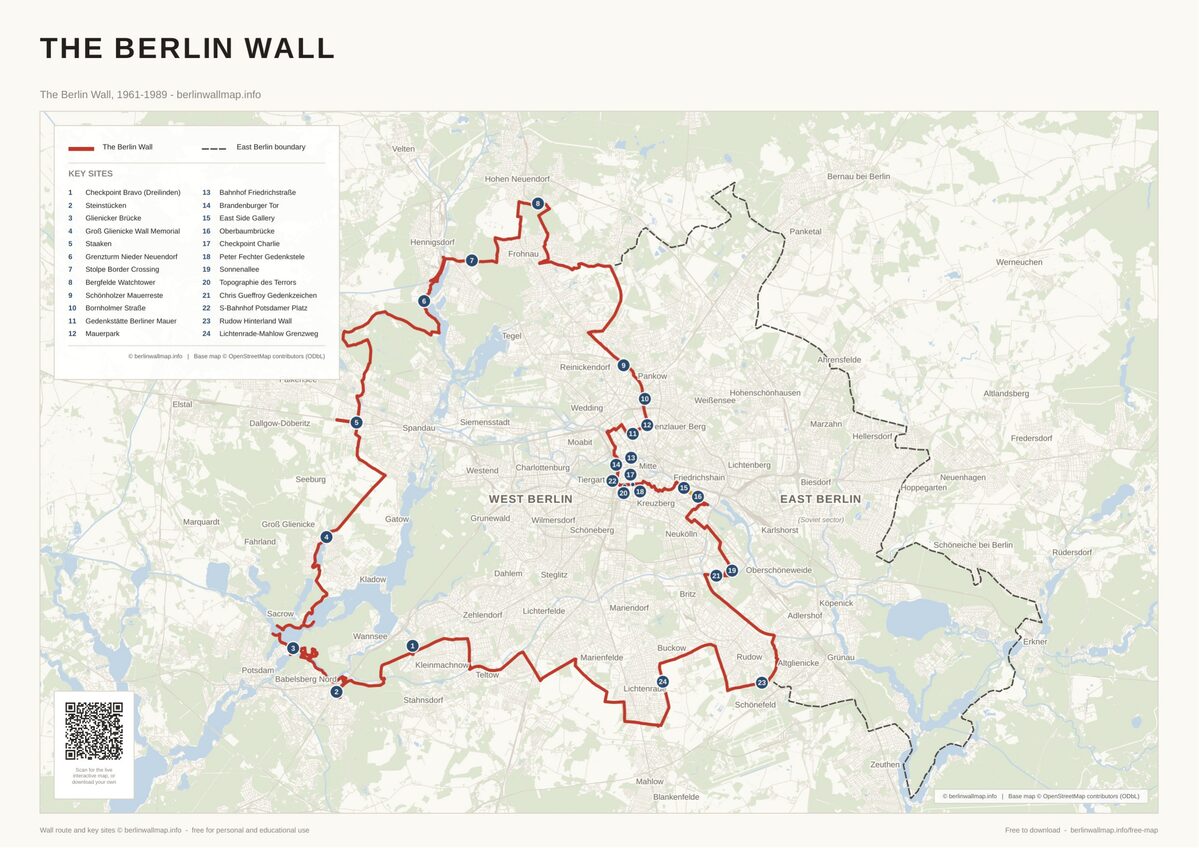
Free map downloads
Free printable PDF maps of the Berlin Wall.
Get the free maps →Explore the Timeline
Journey through Berlin Wall history from 1945 to 1990.
View Timeline →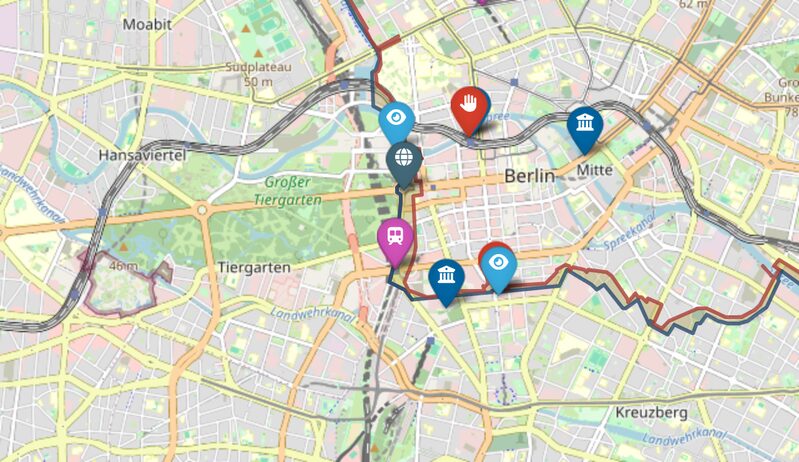
Embed Our Map
Add a free interactive Berlin Wall map to your website or blog.
Get embed code →