Gethsemanekirche
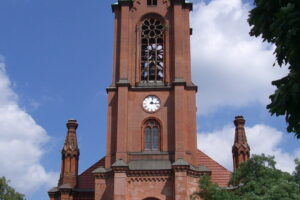
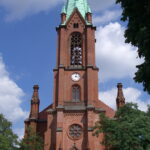
This Prenzlauer Berg church became the centre of Berlin’s peaceful revolution in autumn 1989. From 2 October, opposition groups held a round-the-clock vigil here, with a contact telephone relaying arrest reports to Western media. On 7 October, police and Stasi units beat and arrested hundreds of demonstrators around the church in the last mass use of force against protesters in Berlin. Today a memorial plaque, Karl Biedermann’s relief “Resistance” and Ernst Barlach’s bronze “Geistkämpfer” (Spirit Fighter) commemorate the autumn of 1989. The Blessing Christ statue outside the west portal was rescued from the demolished Versöhnungskirche that once stood on the death strip.
More...Alexanderplatz Demonstration
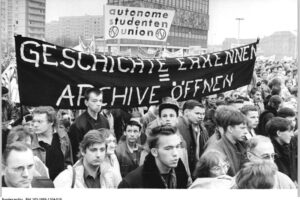
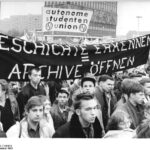
On 4 November 1989, between 200,000 and 500,000 people filled this square in the largest non-state demonstration in East German history and the first legally permitted protest organised by private citizens. Twenty-six speakers addressed the crowd from a flatbed truck, among them Christa Wolf, Stefan Heym and Jens Reich, while East German television broadcast it live. The demands were free elections, press freedom, an end to Stasi surveillance and a new constitution. Five days later the Berlin Wall fell. No monument marks the event, but the square where half a million people found their voice is unmistakable.
More...The Peaceful Revolution in Berlin: The Protests That Toppled the Wall
In the autumn of 1989, Berliners filled the churches with candles and marched half a million strong to Alexanderplatz, five days before the Wall came down. This is where the peaceful revolution happened in Berlin, and where you can walk in its footsteps today.
More...Mauer Land: Thomas Meyer’s Photographs of the Former Wall Strip Open at the Memorial
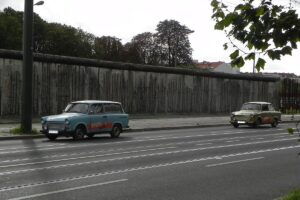
The photographer Thomas Meyer spent eight years on Berlin’s inner-city Wall strip. His pictures open at the Berlin Wall Memorial on 1 October.
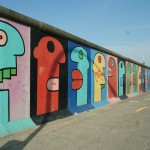
More...East Side Gallery: The Last 1990 Original Is Being Conserved, and an Exiled Painting Has Come Home
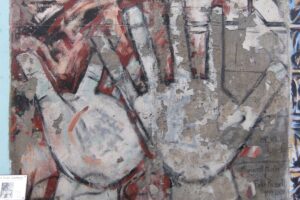
After the 2009 repainting only one 1990 original was left at the East Side Gallery. It is now being conserved, and a painting exiled to the park in 1997 is back.
More...Checkpoint Charlie’s New Design Has Been Chosen, and the Guard House Stays
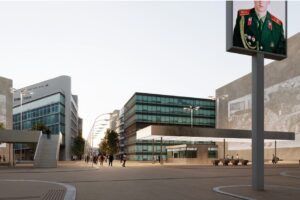
Berlin chose a design for Checkpoint Charlie on 9 September 2026: an open square, a roof, a viewing platform, and the guard house stays. What it does, and when.
More...The Berlin Spy Tunnel: The CIA, MI6 and Operation Gold
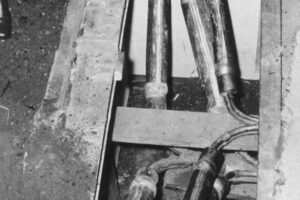
For eleven months the CIA and MI6 listened to the Soviet army from a tunnel under East Berlin. Moscow knew before the digging started. The story, and what to visit.
More...Berlin Spy Tunnel Memorial
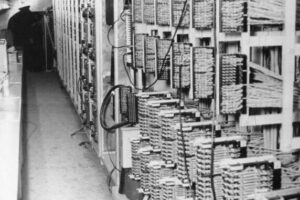
An information stele and three panels of photographs stand in a quiet meadow park on the southeastern edge of Berlin, marking where the CIA and MI6 dug a 450-metre tunnel under the sector border to tap the telephone cables of the Soviet army. It is one of the few sites on the Berlin Wall Trail […]
More...
Free map downloads
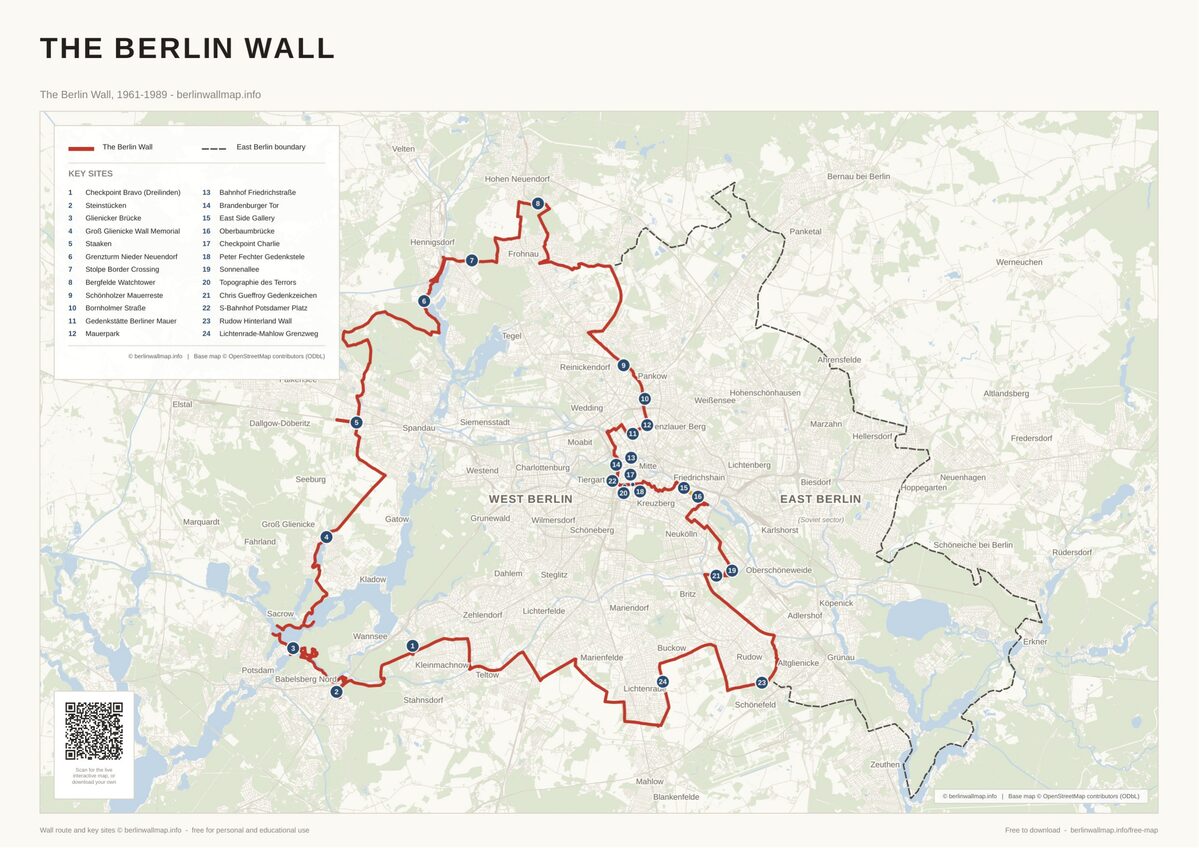
Free printable PDF maps of the Berlin Wall.
Get the free maps →Explore the Timeline
Journey through Berlin Wall history from 1945 to 1990.
View Timeline →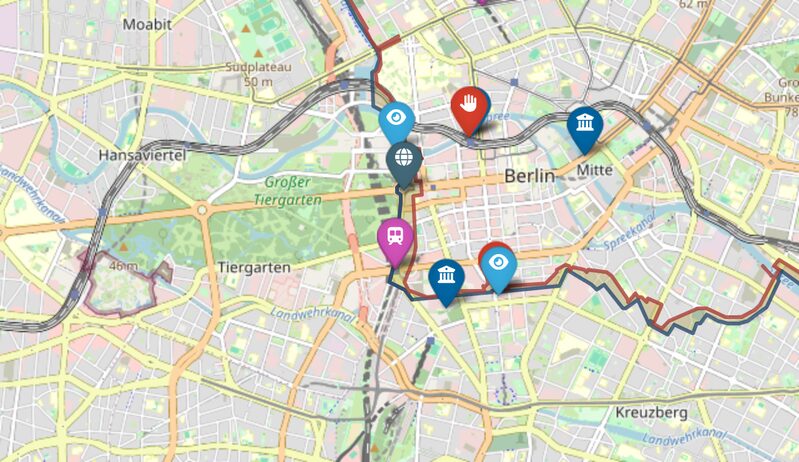
Embed Our Map
Add a free interactive Berlin Wall map to your website or blog.
Get embed code →