Half-Day Walk: Bernauer Straße and the Northern Wall
This half-day walking route covers the most historically significant stretch of the Berlin Wall. Bernauer Straße and its surroundings in the north of the city. Over roughly 5 kilometres and 3 to 4 hours, you will visit the main memorial, two escape tunnel sites, a ghost station, and the spot where one of the first people was killed trying to flee. Start at Nordbahnhof (S-Bahn lines S1, S2, S25, S26) and finish at Mauerpark, near the Eberswalder Straße U-Bahn station (U2).
The Route
Site 1: Nordbahnhof Ghost Station
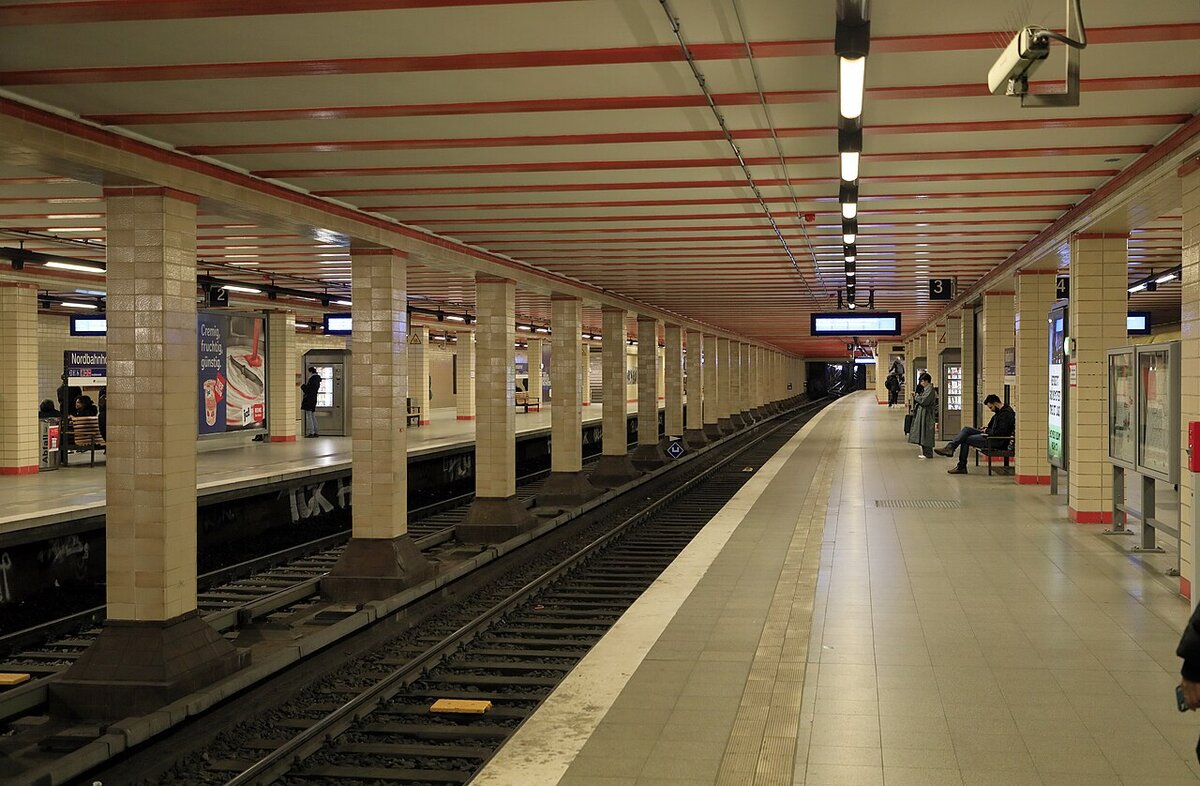
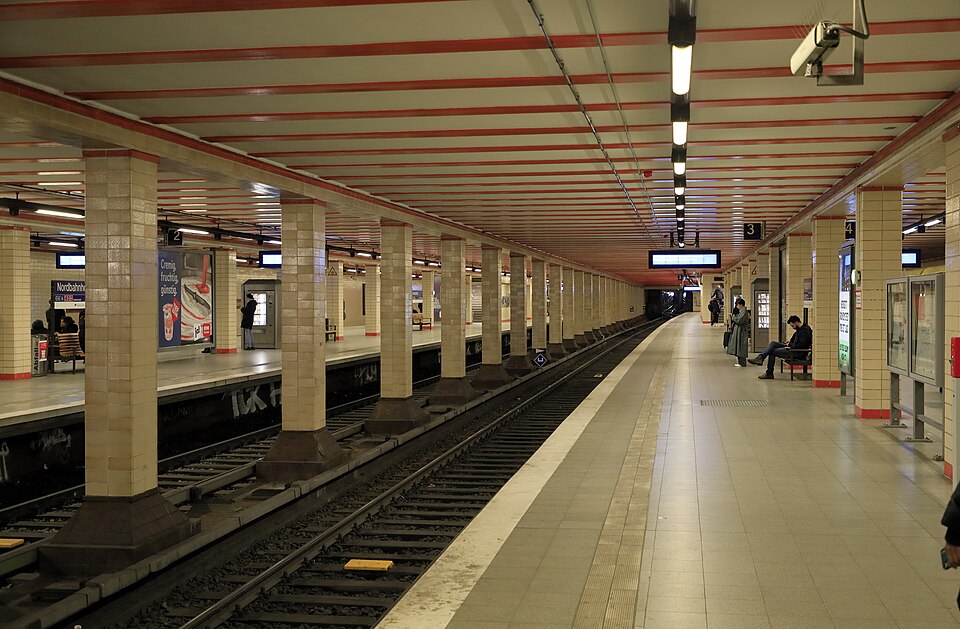
Begin at Nordbahnhof, which today is a functioning S-Bahn station, but during the division of Berlin it was one of several “ghost stations” on the north-south S-Bahn line. These stations sat beneath East Berlin but served West Berlin trains, so East German authorities sealed the platforms and posted armed guards to prevent escape. Trains passed through without stopping, and passengers could peer out at the sealed, abandoned platforms. An excellent free exhibition inside the station documents these ghost stations with photographs, diagrams, and personal accounts. Allow 20 to 30 minutes here.
From the station’s Bernauer Straße exit, you step directly onto the memorial grounds.
Site 2: Berlin Wall Memorial (Gedenkstätte Berliner Mauer)
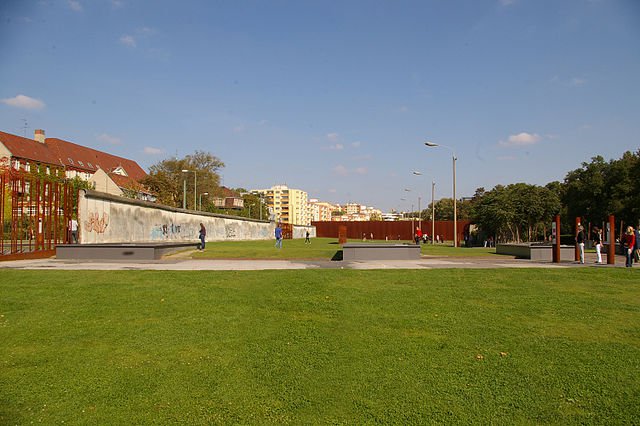
The Berlin Wall Memorial stretches along 1.4 kilometres of Bernauer Straße and is the single most important site for understanding how the wall worked as a physical system. This is the only location in Berlin where the full depth of the border strip is preserved: outer wall, death strip, patrol path, signal fence, lighting, and inner wall. The outdoor exhibition is arranged in four thematic sections along the street, with archaeological windows exposing foundations of demolished buildings, escape tunnels, and the Church of Reconciliation site.
The Documentation Centre at Bernauer Straße 111 houses the indoor exhibition and a viewing tower that gives you an elevated perspective over the memorial grounds. From the top, the layout of the death strip is immediately clear in a way that is impossible to grasp from street level. The memorial is free to enter and open daily. Plan at least 60 to 90 minutes to walk the full length and visit the Documentation Centre.
Site 3: Tunnel 29
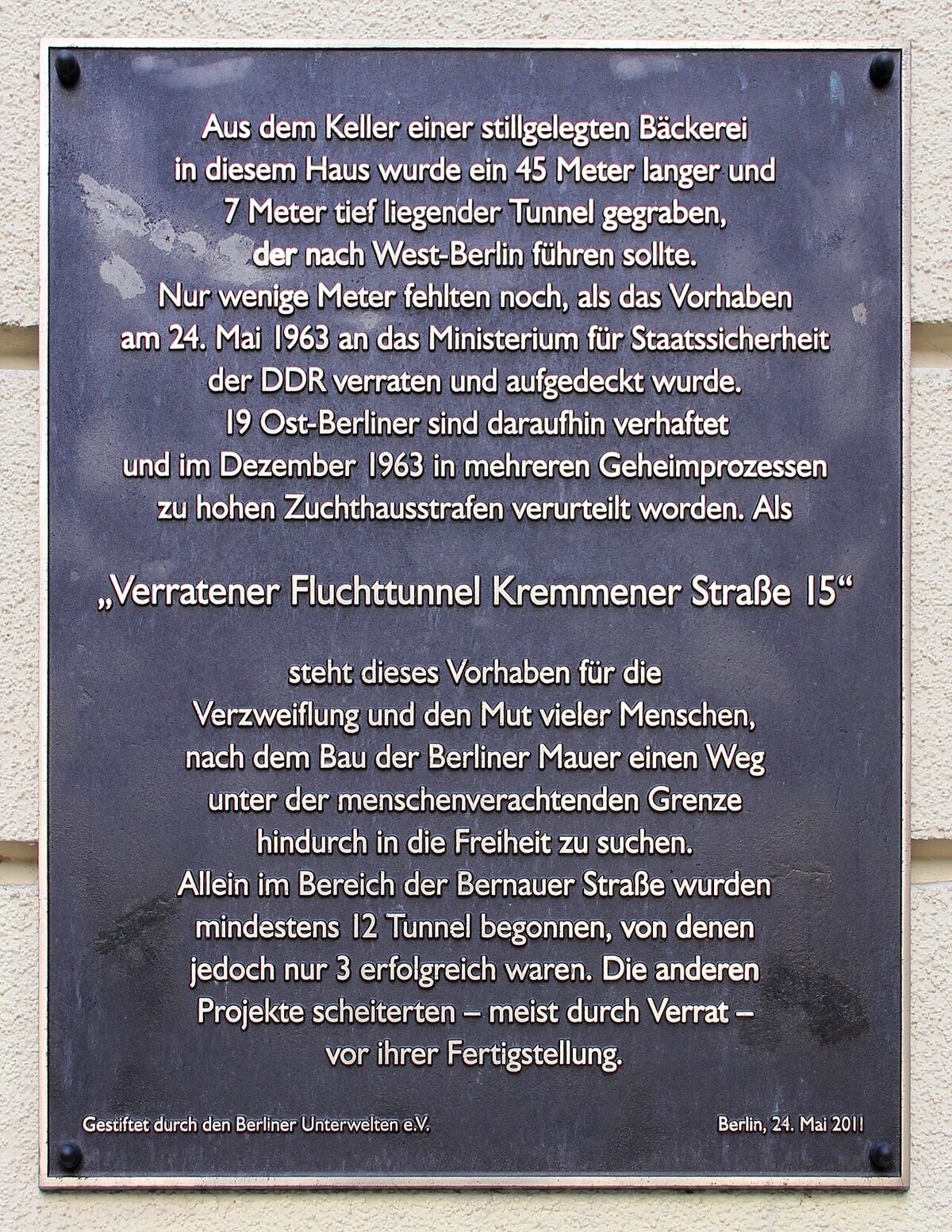
As you walk east along Bernauer Straße, information panels mark the location of Tunnel 29, one of the most successful escape tunnels beneath the wall. In September 1962, a group of West Berlin students, several of them from the Technical University, dug a 135-metre tunnel from a disused bakery on the western side to a building on Schönholzer Straße in the east. Over two nights, 29 people crawled through to freedom, including elderly people and small children. The tunnel’s story was filmed by an NBC television crew, producing a documentary that caused a diplomatic incident between Washington and Bonn. The entrance and exit points are marked at street level.
Site 4: Tunnel 57
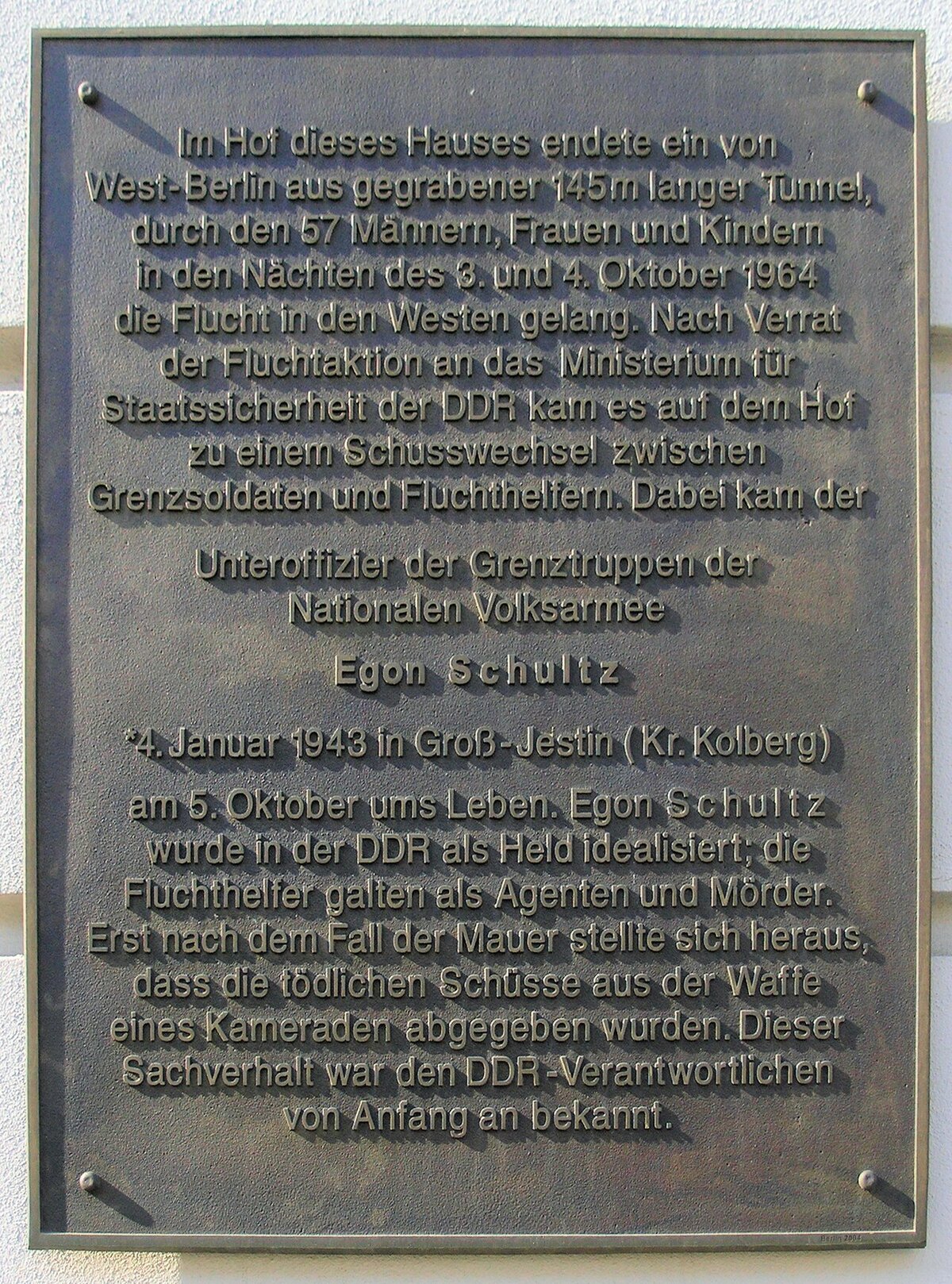
A few hundred metres further east, another set of panels marks Tunnel 57. Dug in October 1964 from a former bakery on Bernauer Straße to a building courtyard on Strelitzer Straße, this tunnel enabled the escape of 57 people over two nights, the largest single tunnel escape in the wall’s history. The operation ended when an East German border guard, Egon Schultz, was shot and killed during the second night. The East German government used Schultz’s death for propaganda purposes, claiming he was murdered by “West Berlin terrorists.” Evidence uncovered after reunification suggests he was likely killed by friendly fire from a fellow guard. The site is not visually dramatic, the buildings have changed, but the information panels tell the full story effectively.
From here, continue north along Bernauer Straße toward Gartenstraße.
Site 5: Gedenkstätte Günter Litfin
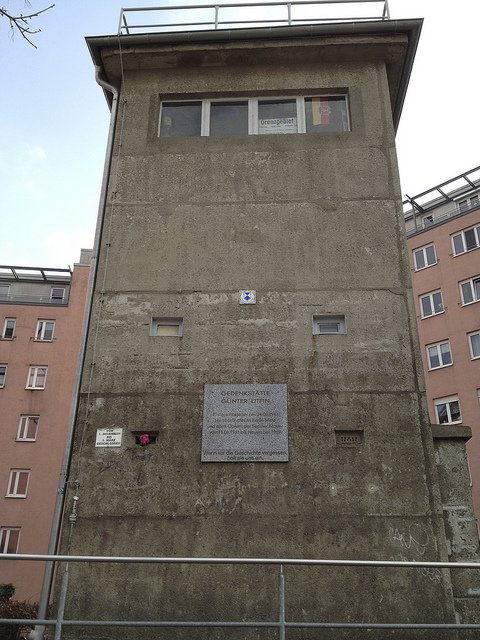
A short walk north and west brings you to the Günter Litfin memorial, housed in a former watchtower near the Spandauer Schifffahrtskanal. Günter Litfin was a 24-year-old tailor who was shot dead by transport police on 24 August 1961, just 13 days after the wall went up. He was attempting to swim across the canal to West Berlin. His was among the very first deaths at the wall, and his brother Jürgen spent decades maintaining this small memorial. The watchtower interior preserves its original condition, and a modest exhibition tells Günter’s story. Opening hours are limited, check ahead, especially outside of summer. The visit takes about 20 minutes.
Walk south-east from the memorial back toward Bernauer Straße, then continue east to Mauerpark.
Site 6: Mauerpark
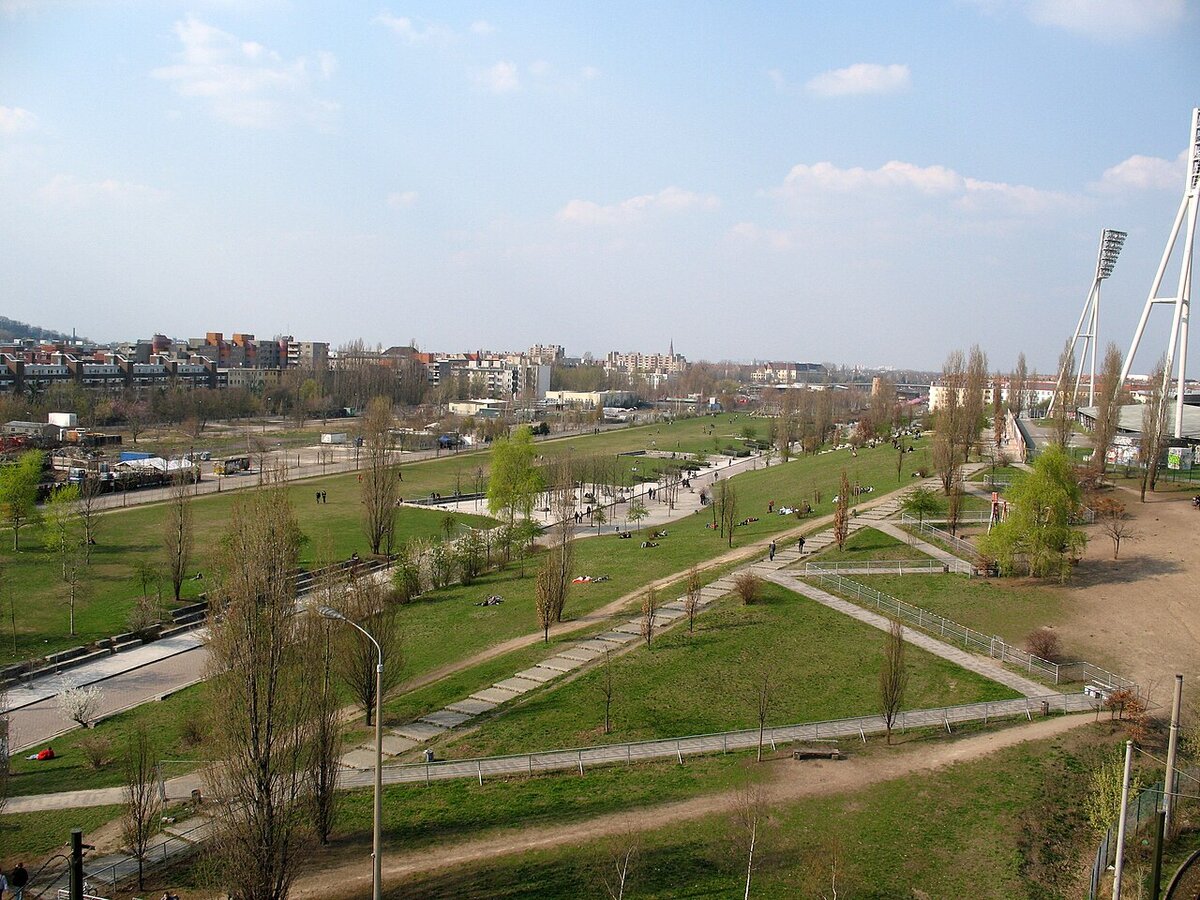
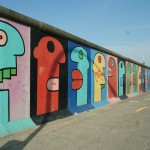
The walk ends at Mauerpark, a public park built on a section of the former death strip between Prenzlauer Berg and Wedding. The park’s name means “Wall Park,” and a short section of the inner wall (Hinterlandmauer) still stands along its western edge, now covered in graffiti. Today Mauerpark is one of Berlin’s liveliest public spaces, known for its Sunday flea market and open-air karaoke in the amphitheatre. It is an interesting final contrast, a place where the wall’s geography has been thoroughly reclaimed by daily life.
Where to Eat and Drink
The Mauerpark area and the surrounding streets of Prenzlauer Berg have abundant cafes, bakeries, and restaurants. On Sundays, food stalls at the Mauerpark flea market offer everything from grilled sausages to Ethiopian injera. Along Bernauer Straße itself, options are more limited, there is a small cafe at the Documentation Centre, but bringing water and a snack is advisable if you plan a thorough visit to the memorial.
Who This Walk Is Best For
This route is ideal for anyone who wants to understand the Berlin Wall as a physical structure and a human story. The memorial on Bernauer Straße provides the deepest and most carefully documented account of how the wall worked, how people tried to cross it, and what it meant for the people who lived alongside it. Unlike the more tourist-oriented central sites, this walk is relatively uncrowded and rewards slow, attentive exploration. See our interactive map for the exact locations, or browse all places to plan your visit.

Free map downloads
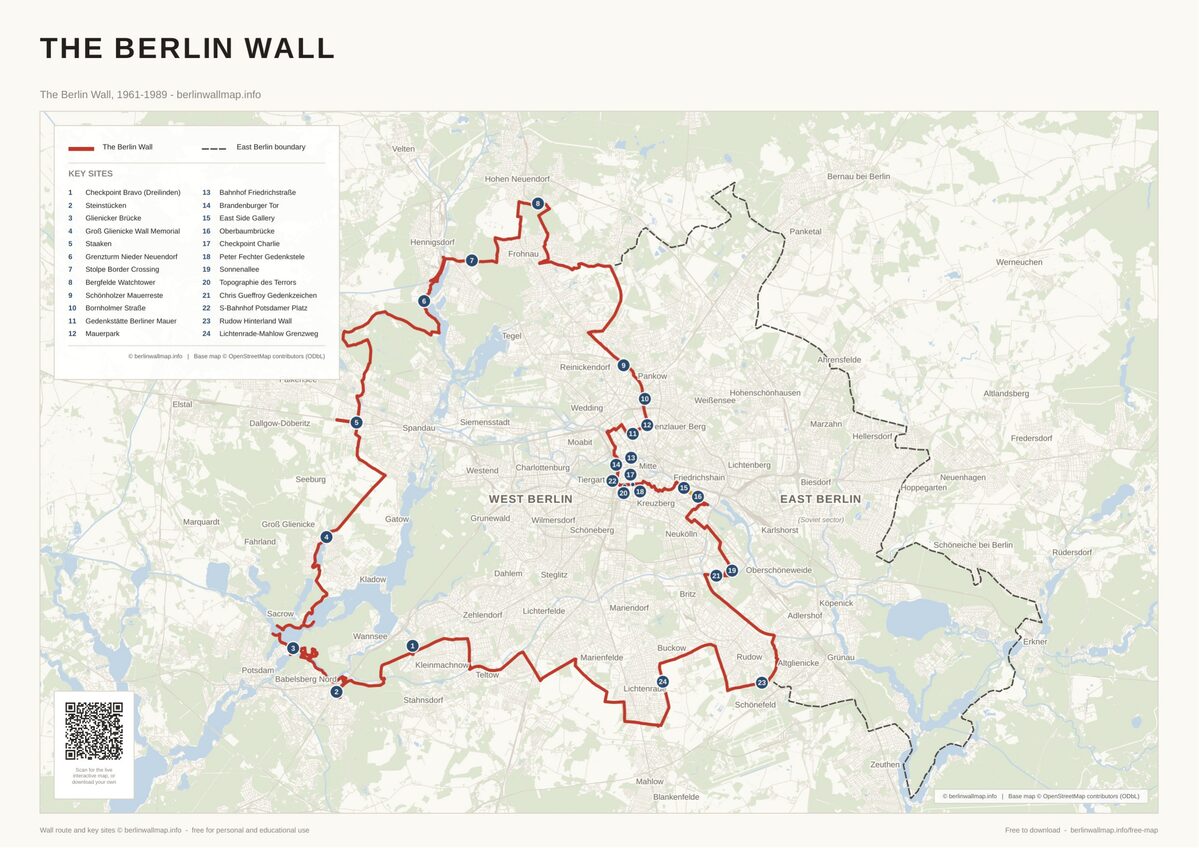
Free printable PDF maps of the Berlin Wall.
Get the free maps →Explore the Timeline
Journey through Berlin Wall history from 1945 to 1990.
View Timeline →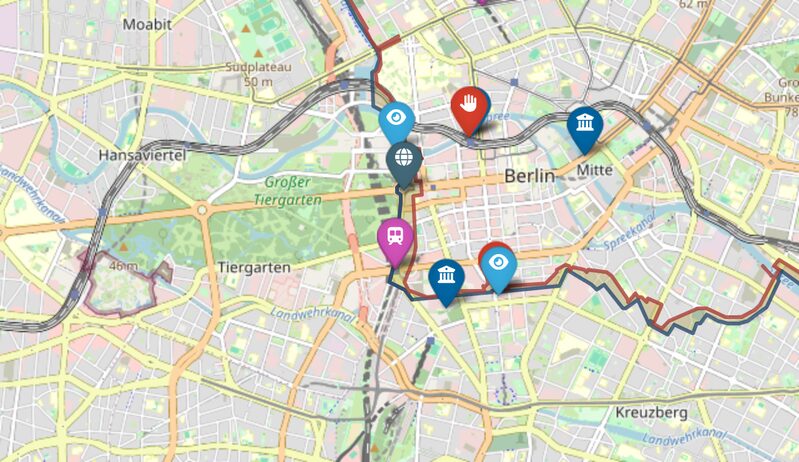
Embed Our Map
Add a free interactive Berlin Wall map to your website or blog.
Get embed code →